

Entertainment
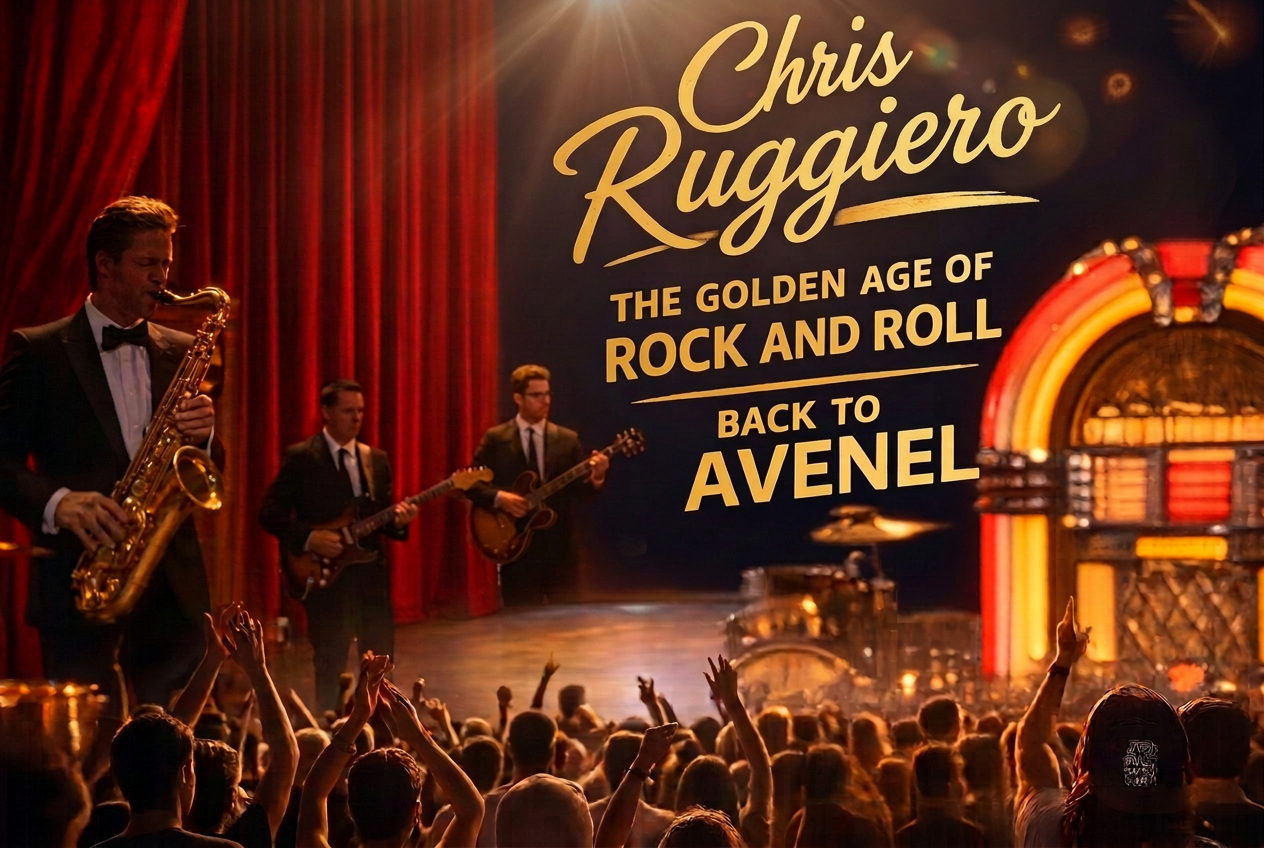
Chris Ruggiero Brought the Golden Age of Rock and Roll Back to Avenel











Entertainment
Kevin Smith’s SModcastle Film Festival Returns to Atlantic Highlands for Four Days of Independent Film




Breaking News8 hours ago
Monmouth County Election Results 2026: 5 Key Takeaways

Breaking News2 days ago
Monmouth County Election Day: Five Mayoral Races to Watch Tonight

Entertainment2 days ago
Kevin Smith’s SModcastle Film Festival Returns to Atlantic Highlands for Four Days of Independent Film

Entertainment3 days ago
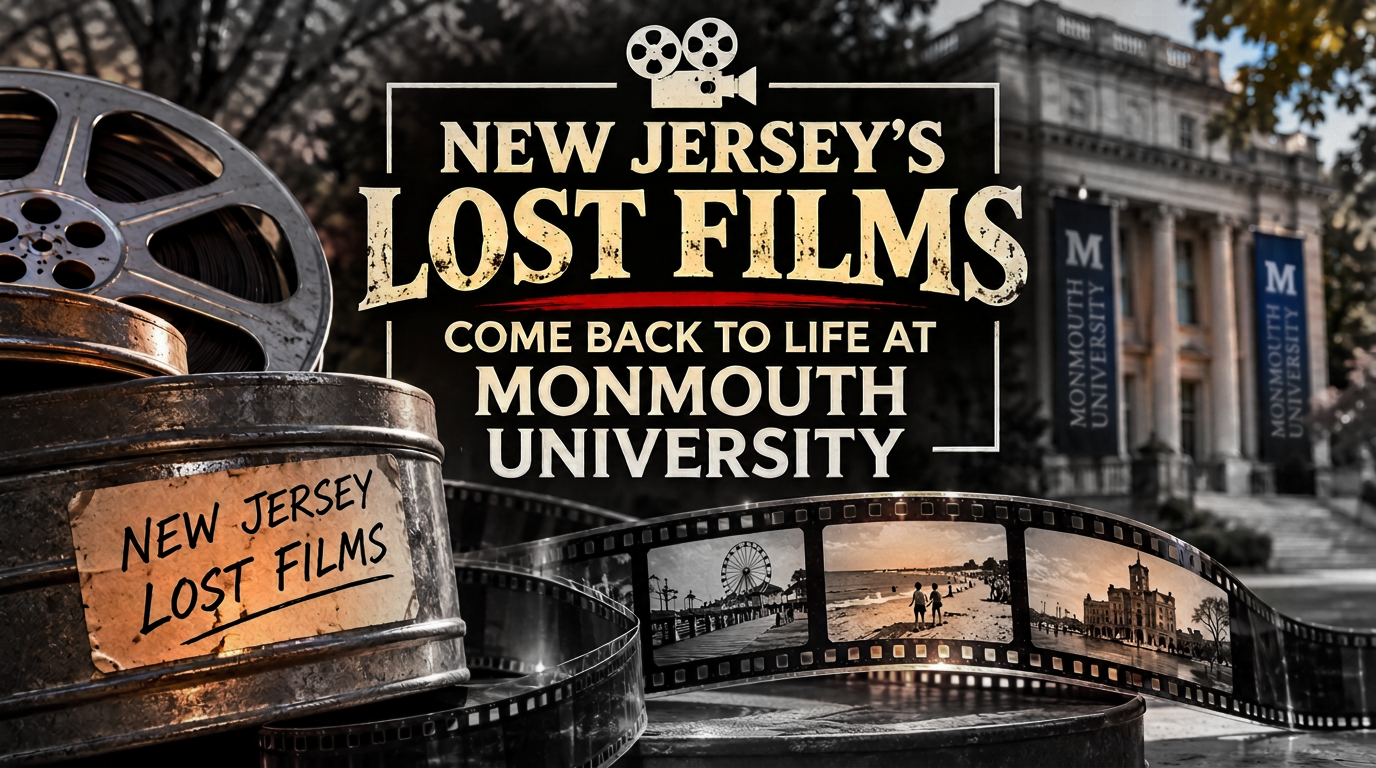
New Jersey’s Lost Films Come Back to Life at Monmouth University

Celebrity6 days ago
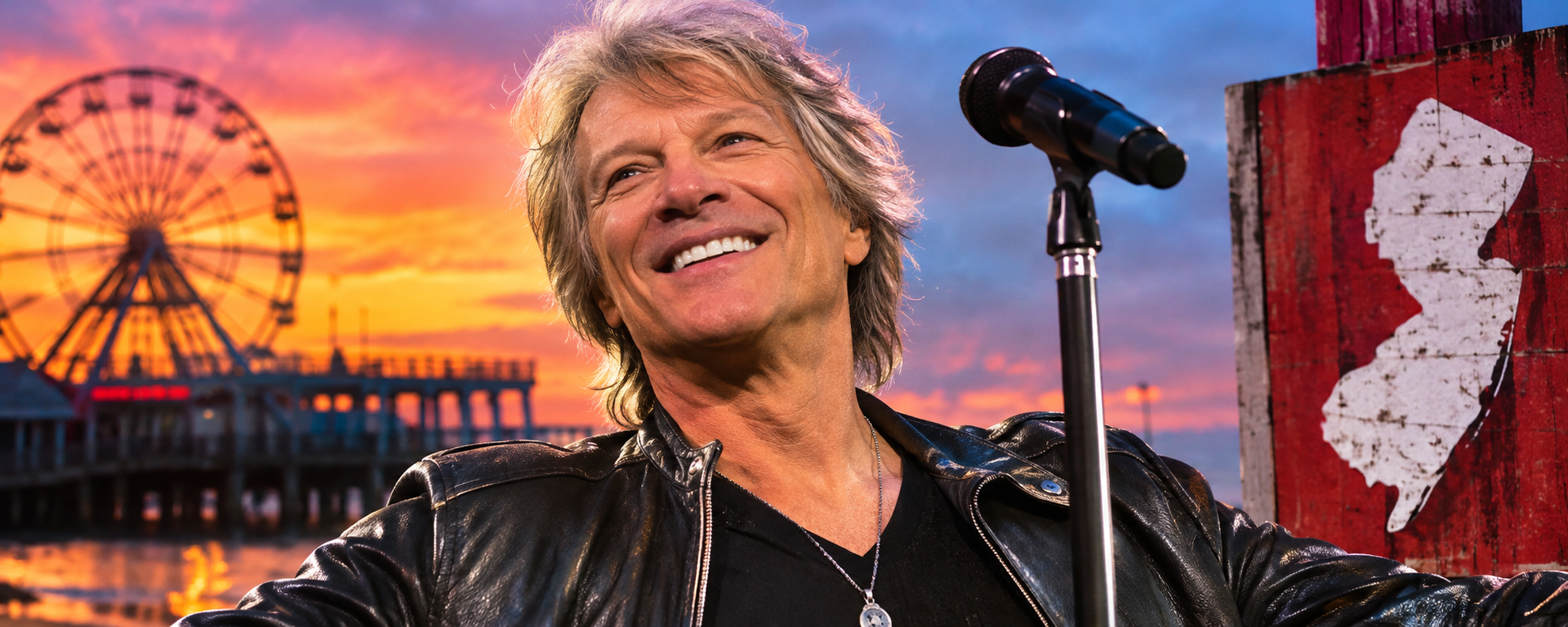
Jon Bon Jovi Is Having a Very Jersey Comeback
Breaking News2 days ago
Monmouth County Election Day: Five Mayoral Races to Watch Tonight
Breaking News8 hours ago
Monmouth County Election Results 2026: 5 Key Takeaways
Entertainment3 days ago
New Jersey’s Lost Films Come Back to Life at Monmouth University

Entertainment3 weeks ago
Chris Ruggiero Brought the Golden Age of Rock and Roll Back to Avenel
Entertainment2 days ago
Kevin Smith’s SModcastle Film Festival Returns to Atlantic Highlands for Four Days of Independent Film

Entertainment8 months ago
The Captive: A Chilling Thriller About the Fight to Protect the Innocent

Entertainment9 months ago
Alice In Chains

Politics9 months ago
Tucker Carlson

Entertainment9 months ago
Solo Mio Behind the Scenes (BTS)

Business1 year ago
NJ Film Expo 2025: A Breakout Moment for New Jersey’s Filmmaking Future

-

 Celebrity10 months ago
New Jersey Fame Wall
-
 Beaches & Towns7 months ago
Shore Towns Begin Early Safety Planning Ahead of Summer 2026 Crowds
-

 Beaches & Towns5 months ago
Great White Shark Sightings Spark Early Summer Conversation Along the Jersey Coast
-

 Entertainment9 months ago
Playwright & Filmmaker Tom Cavanaugh Named Finalist for 2026 TASTE Awards Following Recognition in Asbury Park
-

 Beaches & Towns9 months ago
Breadsticks Cafe & Grill: A Cheerful Breakfast Spot with Ocean Views
-

 Features7 months ago
Il Leone: A Refined Italian Experience Rooted in Family, Fire, and Flavor in Matawan
-

 Celebrity7 months ago
Southside Johnny: The Grandfather of the New Jersey Sound
-

 Entertainment9 months ago
Diane Raver and the Vision That Built the Garden State Film Festival