

Entertainment
Diane Raver and the Vision That Built the Garden State Film Festival

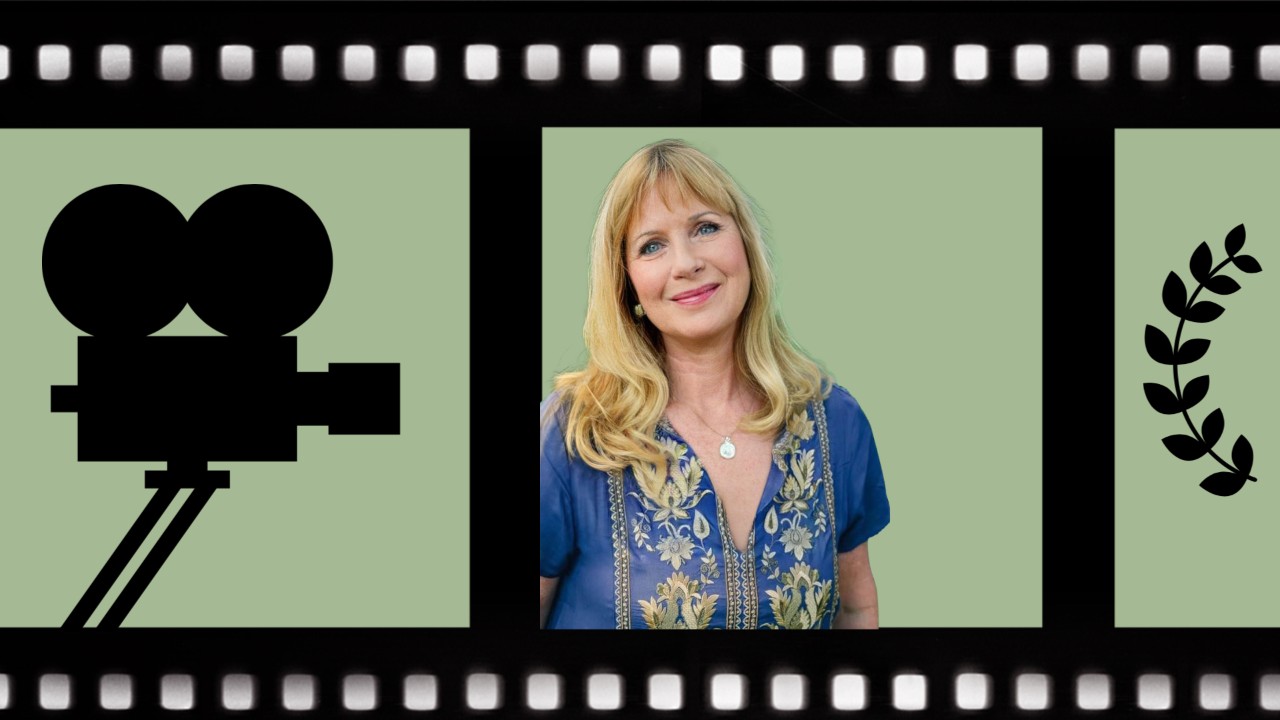
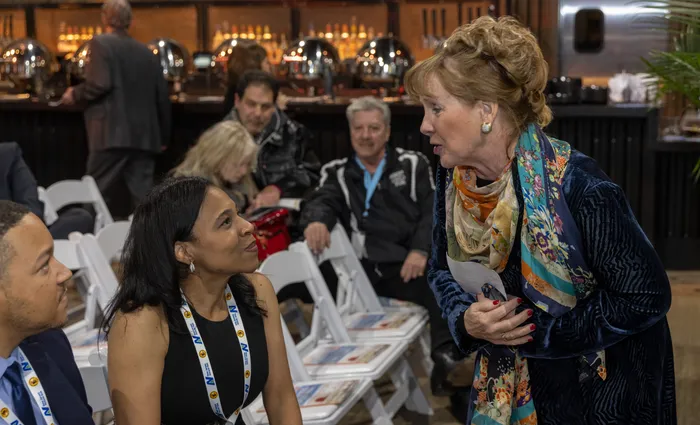
She eventually brought on Lauren Concar Sheehy, a dynamic force in the arts world whose creative instincts and community connections helped shape the festival’s early trajectory. Together, they built an organization that blended professionalism with approachability — something distinctly Jersey.
At its core, the Garden State Film Festival sought to:
-
- Showcase independent film from around the globe
-
- Highlight New Jersey filmmakers and locations
-
- Provide educational access to students
-
- Celebrate veterans and first responders
-
- Stimulate economic and cultural growth in host communities
Garden State Film Festival believed New Jersey deserved a signature film event that didn’t require artists to cross the Hudson River to be taken seriously.
They were right.

Asbury Park: A Natural Stage
When the festival found its home in Asbury Park, it aligned with a city undergoing reinvention. Once famous for its musical legends and boardwalk culture, Asbury was emerging as a revitalized arts hub. The festival quickly became a centerpiece of that revival.
Each March, Convention Hall, local theaters, restaurants, and hotels fill with filmmakers, actors, students, and cinephiles. The red carpet stretches along the Shore, but it never loses its authenticity. Attendees can discuss distribution deals by day and grab boardwalk fries by night.
That blend of ambition and accessibility mirrors Diane Raver’s leadership style.
Diane Raver’s Enduring Stewardship
Since the passing of her co-founder, Diane Raver has continued to guide the Garden State Film Festival with unwavering dedication. She has expanded its reach, strengthened its educational programs, and deepened its community partnerships.
Under her stewardship, GSFF has:
-
- Hosted thousands of independent films from across the world
-
- Created student film competitions and workshops
-
- Honored military service members annually
-
- Attracted industry professionals to New Jersey
Raver’s ability to balance glamour with grassroots outreach has allowed the festival to grow while staying grounded.
Colleagues often describe her as tireless — someone who understands both the creative and logistical sides of the film world. She is as comfortable coordinating panels as she is greeting filmmakers at screenings.
In a state known for tenacity, that resilience resonates.
More Than a Festival
The Garden State Film Festival is not simply a weekend of screenings. It is an economic driver, an educational resource, and a symbol of New Jersey’s artistic confidence.
It has welcomed celebrities, industry insiders, and first-time filmmakers alike. But perhaps its greatest accomplishment is consistency. In an industry where festivals come and go, GSFF has endured — adapting to new media trends, streaming shifts, and changing audience habits.
And each year, it returns to Asbury Park with renewed energy.
This March promises another diverse slate of films, networking events, and community celebrations. Visitors can expect documentaries, narrative features, shorts, student works, and panel discussions covering everything from production financing to digital distribution.
The Jersey Difference
What sets GSFF apart is not just its programming — it’s its personality.
It reflects the Garden State itself: bold but unpretentious, ambitious but grounded. It’s a place where established directors and student filmmakers share space. Where veterans are honored. Where local businesses feel the ripple effects of a thriving arts weekend.
And at the center of it all stands Diane Raver — carrying forward the vision she helped create more than two decades ago.
As the lights dim in Asbury Park this March, the story being told won’t just be on screen. It will be the story of a festival built by Jersey visionaries who believed their state deserved a global stage.
And thanks to Diane Raver’s enduring leadership, that stage is brighter than ever.









Pauly D figured out something most reality stars never do. He didn’t run from the show that made him. He took the party with him.
More than 15 years after MTV introduced the world to Paul “DJ Pauly D” DelVecchio and that unforgettable blowout, the Rhode Island native is still one of the most recognizable faces from Jersey Shore. What sets him apart is that the fame didn’t turn into a punchline or a cautionary tale. It turned into a real touring career that shows no signs of slowing down in 2026.
The Party Never Stopped
In a recent interview, Pauly described his live shows the only way that makes sense: one giant party. Coming from him, that’s not surprising. What’s impressive is that people are still lining up for it.
He’s currently working clubs and venues across the country—Las Vegas, Boise, Salt Lake City, and more—with a New York date locked in for October 9 at The Rooftop at Pier 17. He doesn’t just show up with a fixed playlist and hit play. He reads the room and adjusts in real time. That ability separates the guys who had a moment from the ones who can still hold a crowd years later.
Reality TV got him in the door. The rest has been pure entertainment.
From Catchphrase to Career
When Jersey Shore hit in 2009, few would have bet on which cast members would still be working nearly two decades later. Pauly had an advantage most of them didn’t: he was already a DJ. The show didn’t invent a career for him—it amplified the one he already had. The larger-than-life energy, the crowd sense, the willingness to lean into the chaos all translated cleanly from the house to the booth.
The joke became the brand. The brand became a business.
Today he still appears on Jersey Shore: Family Vacation while keeping a steady DJ schedule and releasing new music, including the 2026 single “Lost” with Capri Everitt. More tracks are on the way. That’s a long runway for something that could have easily faded into a very specific piece of late-2000s nostalgia.
Still Jersey, Even in Vegas
Yes, he was born in Rhode Island. The letters can stay in the drawer.
Jersey Shore permanently linked Pauly, Snooki, The Situation and the rest of them to a particular version of Shore culture—exaggerated, loud, and impossible to ignore. Whether people from New Jersey loved it or hated it, the rest of the world met that version through the cast. Pauly understood the assignment better than most. He never tried to distance himself from the character audiences connected with. He owned it, laughed with it, and kept moving without rewriting the past.
There’s a clean simplicity to that approach.
One Big Party
Pauly is 46. The hair still holds. The crowds still show up. The booth isn’t going anywhere.
His path offers a quiet lesson about sudden fame. Getting through the door is one thing. Staying relevant after the cameras leave requires giving people something they’re still willing to pay for. Pauly found his thing—or maybe it was always his thing.
A lot has changed since those early summers on the Shore. His basic deal with the audience hasn’t:
Show up. Turn the music up. Have a good time.
Sometimes the simplest model is the one that lasts.


WEAPONS, directed by Zach Cregger, is a film heavily layered in unspoken mythology. When all but one child go missing from a classroom in a small town. Starring Amy Marian, Josh Brolin, and Julia Garner.
While I did enjoy the film itself, I think it has been put into the wrong category. Let me explain. Yes, it was a good film. The pacing was spectacular, not giving away too much overlapping information but filling holes precisely when needed so that we as the audience felt like we were uncovering the truth alongside the characters. Even though we knew from the beginning.
No one needs a wig that red with bangs that short. But I digress.
The ‘mythology’ in the film was great as well. The antagonist wasn’t overpowered with their ability to use magic in a world not accustomed to it. Personally, I enjoy when there’s a catch to everything. And we got to see that catch be the downfall of the villain. Aunt Gladys, played by Amy Marian. And while she was scary in her own right, it wasn’t like Alien. Where the mere sight of the monster sends chills down your spine.
No. Weapons is one that has you wondering. Fearing. That if you encounter the wrath of a witch like our antagonist, would you survive? If your child was taken, how calm would you be? And would you think through every single one of your actions before you do it? I think not.
It’s these things that make Weapons so suspenseful and such a great film. But I don’t think it’s been accurately categorized in horror/mystery and should instead be in thriller.
Because it is no mystery what happened, and while yes, there are a few jump scares, it is not what I would consider a classic horror film. Even in an age of change for the film industry, we need to stay true to the basic categorization. But what do I know? I’m just a guy who likes movies.

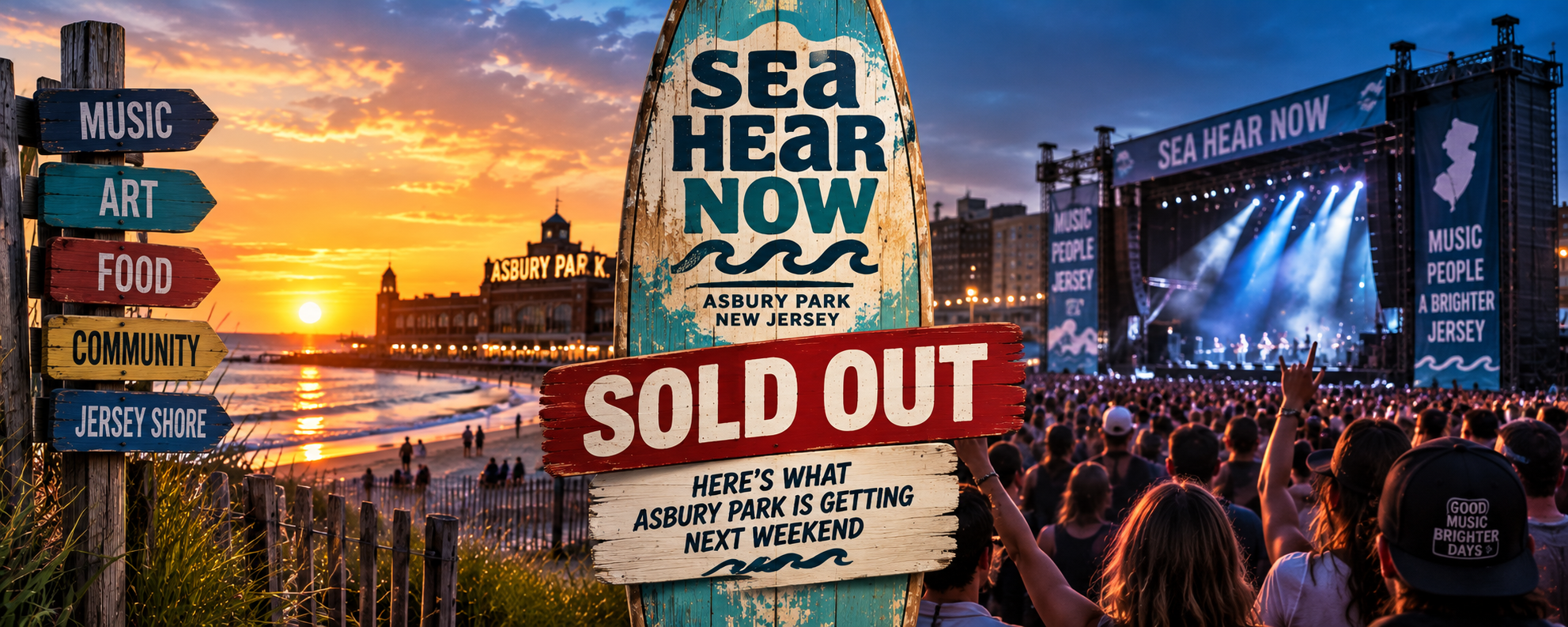
Sea.Hear.Now Is Sold Out. Here’s What Asbury Park Is Getting Next Weekend

Boots on BroadWalk: Red Bank Closes Labor Day With Line Dancing

Labor Day Weekend Isn’t Over: 5 Things to Do in Monmouth County Sunday and Monday

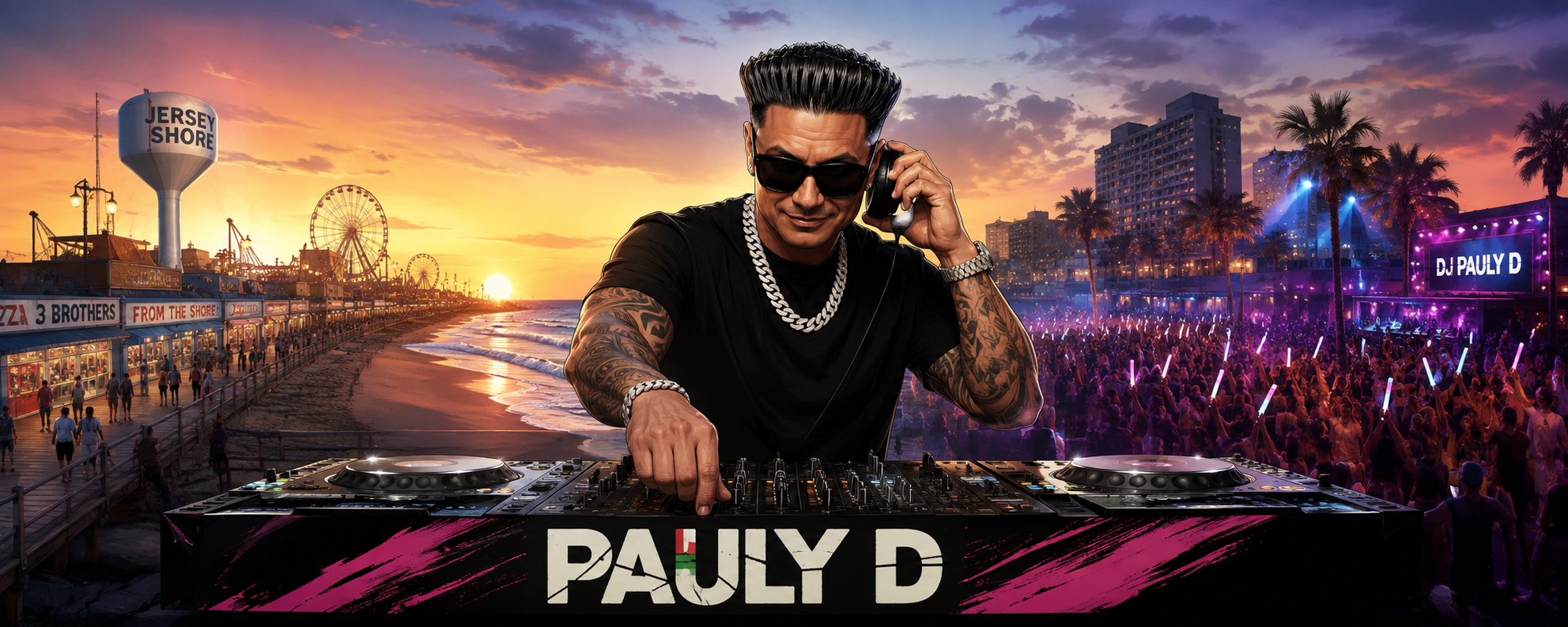
From the Jersey Shore to the DJ Booth: Pauly D Is Still Having One Big Party

Is the Jersey Shore Becoming Too Expensive for the Families Who Built It?

The Captive: A Chilling Thriller About the Fight to Protect the Innocent

Alice In Chains

Tucker Carlson

Solo Mio Behind the Scenes (BTS)

NJ Film Expo 2025: A Breakout Moment for New Jersey’s Filmmaking Future

-
 Celebrity9 months ago
New Jersey Fame Wall
-
 Beaches & Towns6 months ago
Shore Towns Begin Early Safety Planning Ahead of Summer 2026 Crowds
-

 Beaches & Towns5 months ago
Great White Shark Sightings Spark Early Summer Conversation Along the Jersey Coast
-
 Entertainment8 months ago
Playwright & Filmmaker Tom Cavanaugh Named Finalist for 2026 TASTE Awards Following Recognition in Asbury Park
-

 Beaches & Towns8 months ago
Breadsticks Cafe & Grill: A Cheerful Breakfast Spot with Ocean Views
-
 Celebrity6 months ago
Southside Johnny: The Grandfather of the New Jersey Sound
-

 Features6 months ago
Il Leone: A Refined Italian Experience Rooted in Family, Fire, and Flavor in Matawan
-
 Entertainment8 months ago
Alice In Chains