Connect with us

Politics

Tucker Carlson

FULL SPEECH: Tucker on the America First Movement & New “Deplatforming” Agenda of Some on the Right


Editor-in-Chief

Published

on

Evan Blaze is a Jersey Shore based editor and writer focused on coastal culture, local arts, and the evolving character of communities along the New Jersey coastline. With a background shaped by years spent around the water and small creative circles along the shore, he brings a grounded perspective to stories about music, independent film, neighborhood businesses, and the people who keep local culture alive. Known for balancing a laid-back coastal sensibility with a sharp editorial eye, Evan works to highlight authentic voices and emerging talent across the region. His work often explores the intersection of surf culture, live music, and the everyday rhythm of shore towns, capturing the energy that defines life along the Atlantic. When he’s not editing stories or working with contributors, he can usually be found near the water, checking the surf, walking the boardwalk at sunrise, or tracking down the next local story worth telling.

Editorial

Economic Pressure and Cost of Living Remain Central Issue Nationwide

Editor-in-Chief

Published

on

economic struggles 2026

Across the country, one issue continues to rise above the rest as Americans look ahead to the next election cycle: the cost of simply living day to day. While headlines often focus on broad economic indicators, the reality for many families is shaped less by national reports and more by what they see at the grocery store, the gas pump, and their monthly bills.

There is a growing sense that something is out of balance. Prices on everyday necessities remain elevated, and even when certain costs stabilize, they rarely return to where they once were. For working families, that difference adds up quickly. What used to feel manageable now requires more planning, more sacrifice, and in many cases, more stress.

This gap between reported economic strength and lived experience has become a central point of discussion. On paper, certain sectors of the economy show resilience. Employment numbers remain relatively stable in many areas, and markets continue to adjust. But for many Americans, those figures feel distant. What matters more is whether their paycheck stretches far enough to cover what their family needs.


That reality is shaping how people are thinking about leadership. There is a noticeable shift toward candidates who speak directly to practical concerns rather than abstract policy. Voters are listening more closely to how economic plans will affect their household, not just the broader system. The focus is becoming less about long-term projections and more about immediate impact.

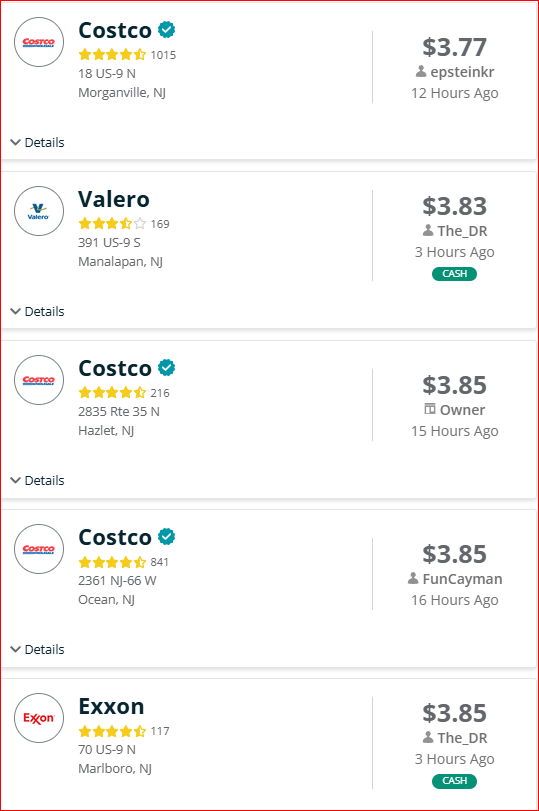
gas prices Monmouth County New jersey April 2026

In suburban and middle-class communities, this conversation is especially pronounced. These are areas where families are often balancing mortgages, education costs, and rising everyday expenses all at once. Even small increases in cost can have a ripple effect, forcing adjustments that change how people live.

There is also a deeper cultural layer to the issue. Many Americans are beginning to reflect on what economic stability really means. It is not just about income or employment. It is about predictability, about being able to plan for the future without constant uncertainty. It is about knowing that hard work leads to a sense of security, not just survival.

For some, this moment is prompting a return to more traditional values around spending, saving, and responsibility. Families are reevaluating priorities, cutting back where they can, and focusing more on essentials. There is a renewed emphasis on self-discipline and careful planning, qualities that have long been associated with long-term stability.

At the same time, small businesses are feeling the pressure as well. Owners across the country are adjusting to higher operating costs while trying to keep prices reasonable for their customers. It is a difficult balance, and one that reflects the broader tension in the economy.

As the 2026 election cycle continues to develop, these concerns are likely to remain front and center. Economic policy will be judged not only by its intention, but by its results in everyday life. Voters are paying attention, and they are increasingly focused on what they can see and feel in their own communities.

In the end, the conversation comes back to something simple. People want stability. They want fairness. And they want a system that reflects the effort they put into building their lives. Until that balance is restored, the issue of cost of living will continue to shape both the national conversation and the decisions made at the ballot box.

Continue Reading

Editorial

2026 Election Cycle Begins to Take Shape as Key Issues Come Into Focus

Editor-in-Chief

Published

on

usa politics-the jersey review

As the 2026 election cycle begins to take shape, there is a growing sense across the country that this moment carries more weight than a typical midterm season. Conversations that once felt distant or abstract are now becoming more immediate and personal. For many Americans, the direction of the country is no longer just a political question. It is a question about values, stability, and the kind of future being built for the next generation.

Across communities, especially in suburban and working-class areas, the focus has turned toward everyday realities. Families are paying closer attention to the cost of living, the strength of their local economies, and the sense of security in their neighborhoods. These concerns are not new, but they feel sharper now. There is a growing desire for leadership that reflects a steady hand and a clear understanding of what people are facing in their daily lives.

From a European American cultural perspective, there is also a renewed awareness of heritage, tradition, and the importance of maintaining a sense of continuity. Many voters are not necessarily looking for sweeping change. Instead, they are looking for a return to balance. 

usa politics-the jersey review

They want policies that protect what has worked, while correcting what has clearly gone off course. This includes a stronger emphasis on family life, local community structures, and the role of faith as a stabilizing force.

Church communities, in particular, continue to serve as quiet centers of discussion. While they are not political institutions, they often reflect the concerns of the people who gather there each week. Conversations tend to focus on responsibility, accountability, and the importance of truth. These are not framed as partisan talking points, but as guiding principles that shape how individuals view leadership and public service.

Candidates entering the early stages of the 2026 cycle are beginning to recognize this shift. Messaging is becoming more grounded, with a noticeable effort to speak directly to concerns about economic pressure, border policy, and the overall direction of national identity. There is also a growing emphasis on restoring trust. Many voters feel disconnected from institutions that once held broad confidence, and rebuilding that trust will likely be a central challenge for anyone seeking office.

Economic stability remains one of the most important issues. While national indicators can point to growth in certain sectors, many families are still feeling the strain of higher costs in housing, food, and energy. This gap between reported progress and lived experience is shaping how voters interpret political messaging. People are less interested in statistics and more focused on what they see in their own budgets.

At the same time, there is an increasing interest in local impact. National decisions are no longer viewed in isolation. Voters are asking how policies translate into real outcomes in their own towns and communities. This includes everything from school systems to small business conditions. The connection between federal leadership and local life is becoming more visible, and more important.

There is also a noticeable shift toward personal responsibility and civic engagement. More individuals are attending town meetings, asking questions, and paying closer attention to candidates’ positions. This level of involvement suggests that the 2026 cycle may see a more engaged electorate than in previous years.

What stands out most at this stage is not a single dominant issue, but a broader sense of reevaluation. Many Americans are taking a step back and asking what kind of country they want to live in, and what kind of leadership will help guide that path. For some, that means returning to foundational principles rooted in faith, family, and community. For others, it means seeking practical solutions to complex challenges. In many cases, it is a combination of both.

As the election cycle continues to develop, these early conversations will likely shape the tone and direction of the campaigns that follow. What begins now in small gatherings, local discussions, and early candidate positioning often sets the stage for the national dialogue that unfolds in the months ahead.

Continue Reading

Editorial

A European American’s Warning to America: What Happens When Institutions Fail

Editor-in-Chief

Published

on

The Civic Nationalistic Ideology That Invited Western Society to Self-Genocide

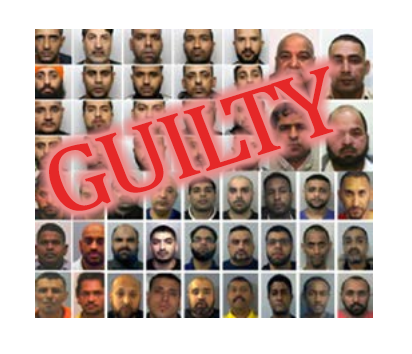
Across Europe, a slow and painful reckoning is underway. For decades, grooming gang scandals in the United Kingdom have exposed horrifying abuses of vulnerable girls, not merely as isolated crimes but as failures of institutions entrusted with protection.
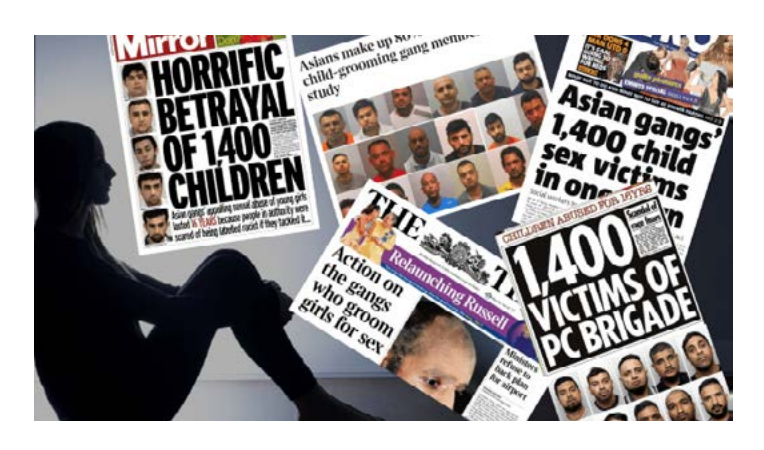
Official inquiries revealed not only criminality but systemic paralysis — police inaction, social services that ignored warnings, and political timidity that prioritized optics over truth. For many Christians across Europe, this isn’t simply a legal scandal; it represents a societal moral collapse grounded in the denial of hard truths.

The consequences are felt far beyond the communities directly affected. They echo in family structures, civic virtues, and the confidence of citizens that their institutions will protect the vulnerable. And for those watching across the Atlantic, there is a growing concern that similar patterns of disengagement, demographic decline, and misplaced priorities are unfolding in the United States.

America, like many Western nations, is grappling with a falling birthrate, declining marriage rates, and waning trust in civic and religious institutions. Fertility rates in the U.S. have dipped below replacement level in recent years, a trend that mirrors patterns seen in much of Europe. Fewer children, fewer families, and less social cohesion translate into weakened communities, less investment in future generations, and an increased reliance on state mechanisms that often prove bureaucratic and ineffective.
Central to this anxiety is how national resources are allocated. A striking example is U.S. foreign aid to strategic partners abroad compared with domestic spending on programs intended to safeguard American citizens. According to multiple analyses of recent federal budgets, the United States has provided at least $21.7 billion in military and security assistance to Israel since the Gaza conflict began in October 2023 — a figure that spans both the Biden and Trump administrations and reflects long-standing bilateral commitments.

This level of aid is part of a broader pattern: decades of U.S. military and security assistance to Israel amount to tens of billions of dollars, and under current agreements the United States is scheduled to provide roughly $3.8 billion annually in military aid through 2028.

Meanwhile, total U.S. foreign aid — across all countries and functions — remains a small share of federal spending overall, at around 1.2% of total federal outlays in recent years. Yet within that modest slice, strategic security assistance can command large portions of appropriations.

Compare this with domestic priorities. Agencies like the Department of Homeland Security, tasked with protecting Americans, routinely seek ever-larger budgets to address everything from border enforcement to disaster response. Budget proposals in 2025 and 2026 saw hundreds of billions of dollars allocated for immigration enforcement, border security infrastructure, and related personnel — funds that dwarfed many family support and community stability programs.

The contrast is not simply a matter of numbers in isolation; it is about prioritization. A nation that channels billions in military assistance abroad and vast sums to border enforcement, yet struggles to invest in the economic and social conditions that support stable families and vibrant communities, risks undermining the very foundations of its future.

This tension is symptomatic of a deeper cultural malaise. When political and cultural institutions become more concerned with avoiding controversy than confronting hard truths, they fail the vulnerable — whether in the streets of Britain or the inner cities and rural towns of America. When social policies are not grounded in a coherent moral vision that values life, family, and community, then other priorities — even strategically important ones — can overshadow the needs of the people these institutions are meant to serve.
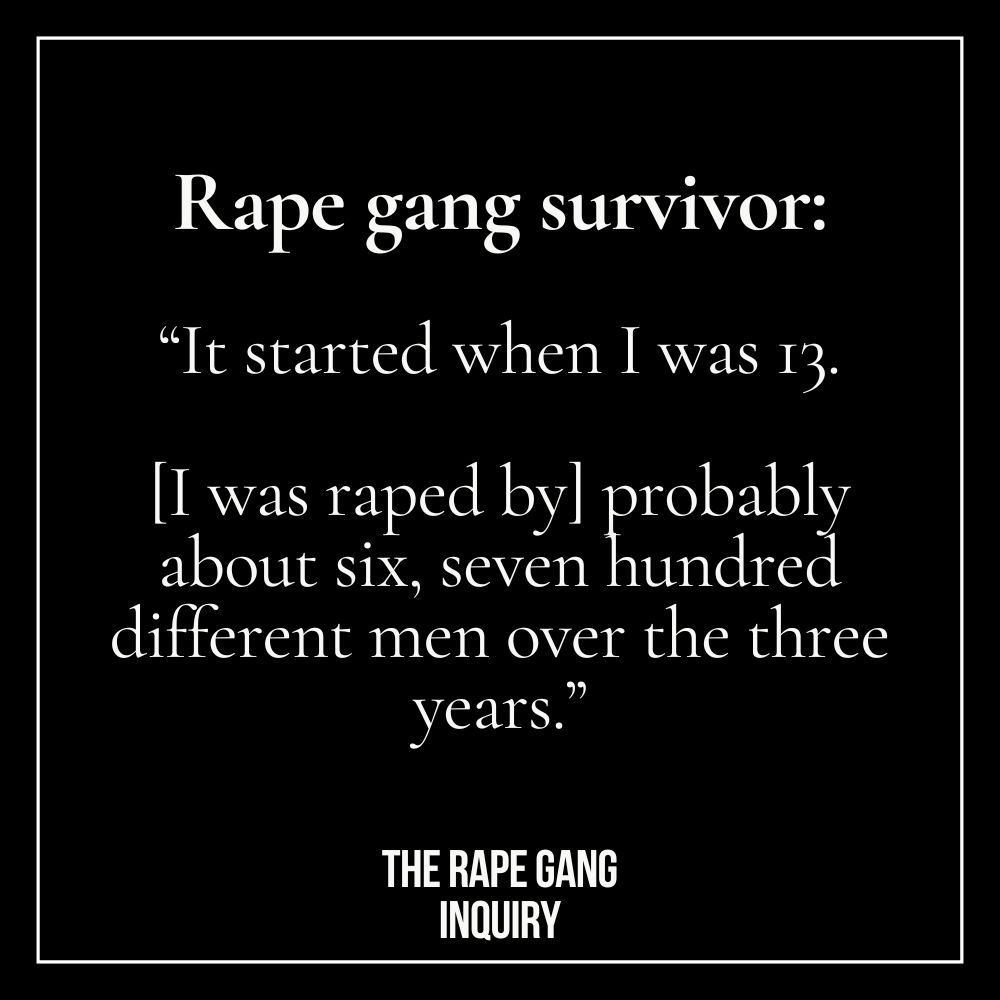
For American Christians, Europe’s painful lessons offer a warning. Britain’s grooming scandal was not caused by diversity alone. It was exacerbated by institutional hesitation, political caution, and cultural silence. Likewise, America’s demographic challenges and budgetary choices reflect a nation wrestling with its identity and priorities.

ONE MILLION young girls – in a country with a population of 70 million people – have been groomed, raped, beaten, trafficked, and tortured by predominantly Pakistani, Muslim grooming gangs

There is still time for course correction. But time, like birthrates and moral clarity, does not reverse itself without deliberate change. If America wishes to avoid the mistakes seen abroad, it must reaffirm the primacy of family, faith, and the protection of its own citizens while engaging with the world responsibly — not at the expense of its foundational commitments.

Continue Reading

Trending