Connect with us

Features

Il Leone: A Refined Italian Experience Rooted in Family, Fire, and Flavor in Matawan

Jersey Javelin

Published

on

If you’ve driven past Route 34 in Matawan lately, you might not expect to find one of the more refined Italian dining experiences in Monmouth County tucked right along it. But that’s exactly what Il Leone is quietly building.

Il Leone doesn’t lean on hype. It doesn’t need to. What it offers is something more reliable; and increasingly rare, an Italian restaurant that understands both tradition and restraint.

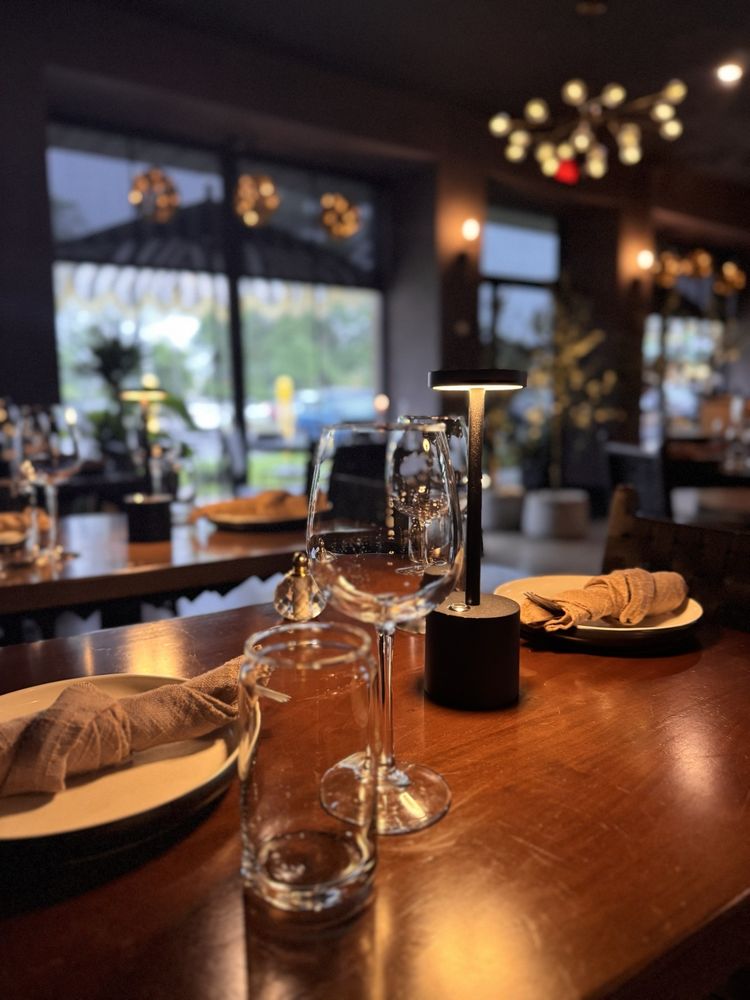
The space itself sets the tone. It’s clean, warm, and thoughtfully put together without feeling overdesigned. You walk in and immediately get the sense that this is a place meant for an actual evening out, not a quick in-and-out dinner. The lighting is soft, the room has a steady rhythm, and nothing feels rushed.

The menu follows that same approach. It’s not trying to reinvent Italian food. It’s trying to do it well.

Start with something simple like the whipped ricotta or baked clams and you’ll understand the kitchen’s direction right away. There’s a focus on flavor and balance instead of overcomplication. The wagyu meatballs land rich but controlled, and the fried calamari avoids the heaviness that often ruins the dish elsewhere.

Where Il Leone really separates itself is in the pasta. The spicy rigatoni has a clean heat that builds without overwhelming. The pappardelle wagyu bolognese is structured and satisfying without feeling heavy halfway through. Even something like gnocchi with pesto and burrata comes out composed, not thrown together.

Seafood holds its own here as well. The bronzino is handled simply, which is exactly the point. It’s cooked clean, plated well, and allowed to stand on its own. That kind of confidence says more than any complicated preparation ever could.

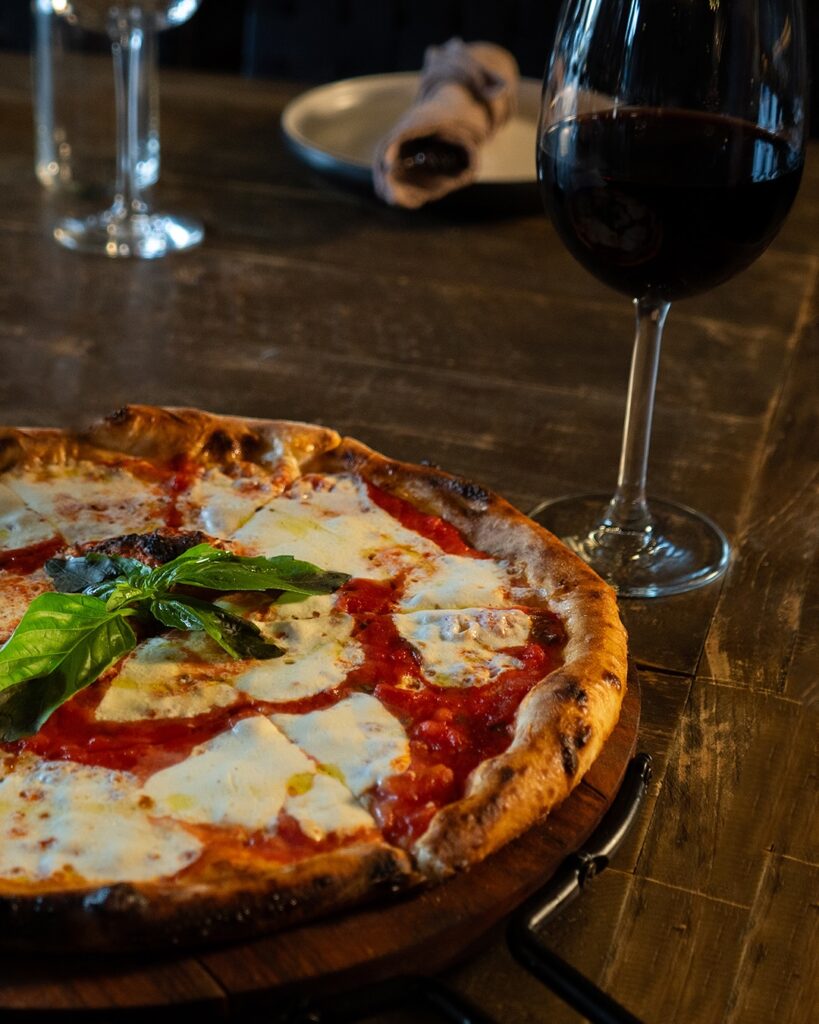
The pizzas deserve a mention too. A classic Margherita is always a test, and here it passes easily. The vodka pie and hot honey pepperoni bring a slightly more modern edge without losing the foundation.

What stands out just as much as the food is the pace. You’re not being turned over for the next table. Courses come out with space between them. You can actually sit, talk, and enjoy the night without feeling like you’re on a timer. That alone makes a difference.


Il Leone also works well for different occasions. It’s strong enough for a date night, comfortable enough for a family dinner, and polished enough to host something more formal without feeling stiff. That flexibility gives it an edge in a crowded local dining scene.

At its core, the restaurant is built around a simple idea; good food, done properly, in a setting that makes people want to stay a little longer. There’s a clear European influence in how the experience unfolds, but it never feels forced. It just feels natural.

In a part of New Jersey filled with Italian restaurants, Il Leone stands out by not trying too hard. It keeps things focused, consistent, and well-executed.


And most nights, that’s exactly what people are looking for.

Features Editor The Jersey Javelin oversees long-form features and signature storytelling at The Jersey Review, focusing on depth, context, and cultural relevance. With a disciplined editorial eye, the Javelin selects stories that cut through noise - profiling people, places, and moments that shape New Jersey’s identity. Each feature is approached with precision and restraint, favoring clarity over sensationalism and substance over trend. The Javelin’s work is defined by thoughtful reporting, narrative balance, and a commitment to stories that endure beyond the news cycle.

Continue Reading
Click to comment

Leave a Reply

Your email address will not be published. Required fields are marked *

Features

After Record Heat, A Reminder That Summer Safety Matters

Editor-in-Chief

Published

on

The Jersey Review -2026 July 4th Heat Wave

For many New Jersey families, the Fourth of July weekend is about beach days, backyard barbecues, fireworks, and time with loved ones. This year, however, the holiday also served as a sobering reminder that summer’s greatest danger isn’t always visible. Following several days of record-breaking temperatures across New Jersey, state health officials reported multiple suspected heat-related deaths, many involving people who were alone, without air conditioning, or especially vulnerable to prolonged exposure. As temperatures begin to ease, it’s tempting to think the danger has passed.

It hasn’t.

Extreme heat is often called the “silent weather emergency” because it doesn’t arrive with the drama of a hurricane or the warning sirens of a tornado. Instead, it quietly places stress on the human body, especially older adults, young children, outdoor workers, people with chronic medical conditions, and anyone spending long periods in direct sunlight.

The encouraging news is that many heat-related illnesses can be prevented with simple precautions.

Stay Ahead of Thirst

One of the biggest mistakes people make is waiting until they feel thirsty before drinking water. By then, the body may already be dehydrated. Whether you’re spending the day at the beach, cutting the lawn, or enjoying a neighborhood cookout, drinking water regularly throughout the day can make a significant difference.

Check on Someone Who Lives Alone

Sometimes the most important safety measure isn’t for yourself. It’s for someone else. Many of the most serious heat-related incidents occur when elderly residents or those with mobility challenges are isolated inside homes that become dangerously hot. Health officials said several of the recent suspected victims were found in homes without air conditioning. A quick phone call or knock on the door can take only a few minutes, but it could make a lasting difference.

Don’t Forget Pets

Dogs can overheat far more quickly than many people realize. Pavement temperatures can become hot enough to burn paws, parked vehicles can reach life-threatening temperatures within minutes, and fresh water and shade are just as important for pets as they are for people.

Respect the Sun

Even after the hottest days pass, July sun remains intense. Sunscreen, lightweight clothing, hats, and periodic breaks in the shade help reduce the risk of heat exhaustion and sunburn, especially during the middle of the afternoon.

Know the Warning Signs

Heat exhaustion often begins with heavy sweating, dizziness, weakness, nausea, headaches, or muscle cramps. If those symptoms progress to confusion, fainting, or a person stops sweating despite the heat, it may signal heat stroke, a medical emergency that requires immediate attention.

Looking Out for One Another

One of the strengths of New Jersey communities has always been neighbors helping neighbors. Summer safety isn’t only about government advisories or weather forecasts. It’s about paying attention to the people around us. Checking on an elderly neighbor. Offering water to someone working outdoors. Making sure children take breaks from the sun. Looking after a friend before they drive home after a long day on the beach. Those small acts of awareness often matter more than we realize. Summer is one of New Jersey’s greatest seasons. Our beaches, boardwalks, parks, and neighborhoods come alive in ways that make this state special.

With a little preparation and a willingness to look out for one another, we can help ensure that this summer is remembered for family memories—not preventable tragedies.

Continue Reading

Editorial

The Greatest Generation Built America. Who Will Build the Next 250 Years?

Editor-in-Chief

Published

on

The Jersey Review 250th USA

Next year, America will celebrate its 250th birthday.

For a nation that has weathered wars, economic depressions, scientific breakthroughs, and generations of change, the milestone offers more than fireworks and parades. It presents an opportunity to pause and ask an important question:

What kind of country are we leaving to the next generation?

Much has been written about the “Greatest Generation,” those Americans who endured the Great Depression, fought in World War II, returned home, built businesses, raised families, and helped create decades of prosperity. Their legacy can still be seen in our highways, neighborhoods, schools, churches, and small businesses.

But every generation faces challenges unique to its own time.

Today’s Americans are navigating rising housing costs, changing technology, an evolving job market, and economic uncertainty. Many families have relied on some form of temporary assistance at different points in their lives, whether through unemployment benefits, disaster relief, food assistance, veterans’ programs, scholarships, or help from local charities. There should be no shame in accepting help when life takes an unexpected turn. Communities are often strongest when neighbors lift one another up during difficult seasons.

The larger question is what comes next.

How do we create a society that not only helps people through hardship but also encourages opportunity, independence, and long-term success? That conversation deserves thoughtful discussion, not political slogans. Families remain the first place where values are taught. Parents and grandparents often pass down lessons about responsibility, perseverance, generosity, and service long before children enter a classroom. Churches, synagogues, mosques, and other faith communities continue serving millions through food pantries, mentoring programs, counseling, addiction recovery, and volunteer outreach. These institutions frequently meet needs that government programs alone cannot address. Teachers, coaches, employers, and local business owners also play important roles. A first job, a trusted mentor, or someone willing to take a chance on a young worker can change the course of a life. Small businesses, in particular, have long been engines of opportunity in communities across New Jersey. They don’t simply create jobs. They teach skills, build confidence, and provide stepping stones for future entrepreneurs.

Self-reliance and compassion do not have to compete with one another. A healthy society can value both. Helping a struggling neighbor while encouraging personal growth is not a contradiction. It is often how strong communities have always operated. As America approaches its semiquincentennial, perhaps the greatest tribute we can pay to previous generations is not simply remembering what they built. It is continuing the work. That work may look different today than it did in 1946 or 1976. It may involve new technologies, different careers, and changing economic realities. But the principles that have strengthened communities for generations remain remarkably familiar: hard work, personal responsibility, strong families, engaged neighborhoods, and people willing to invest in one another.

The next 250 years of American history will not be written by governments alone.

They will be written by parents raising children with character, teachers inspiring curiosity, employers opening doors, volunteers serving quietly, entrepreneurs taking risks, and neighbors helping neighbors when life becomes difficult.

History remembers the generations that build.

The question now is whether ours will be remembered as one of them.

Continue Reading

Editorial

Summer at the Shore: The Return of Classic American Coastal Style

Shannon

Published

on

By

The Jersey Review

Every summer, the Jersey Shore becomes a stage.

From the boardwalks of Belmar and Point Pleasant to the sidewalks of Spring Lake and Sea Girt, people step back into a tradition that is as much a part of Shore culture as salt air and ice cream cones: dressing well for summer.

Not flashy.

Not loud.

Not driven by whatever trend appeared online last week.

Instead, the Shore’s most enduring style remains rooted in something timeless: classic American coastal fashion blended with generations of European influence.

The Formula Hasn’t Changed

For men, the look is remarkably simple:

  • Linen shirts
  • Lightweight chinos
  • Tailored shorts
  • Polo shirts
  • Crisp button-downs
  • Loafers and boat shoes

Navy, white, khaki, and soft coastal colors continue to dominate because they simply work.

They look clean. They age well. They never feel out of place.

The most stylish people at the Shore are often the ones who appear to be trying the least.

Effortless Never Goes Out of Style

A white linen shirt.

A pair of loafers.

A lightweight navy sport coat for dinner.

These pieces have survived decades because they never truly go out of fashion.

For women, the same philosophy applies.

Flowing summer dresses, tasteful patterns, natural fabrics, and timeless silhouettes continue to define Shore elegance. Whether it’s dinner overlooking the water or an evening stroll along the boardwalk, the look remains polished without feeling formal.

A Tradition Passed Down Through Generations

Part of what makes Jersey Shore style unique is its cultural foundation.

Many Shore communities were built by families whose roots trace back to Italy, Ireland, Germany, Poland, and other parts of Europe. Along with recipes and traditions came a belief that presentation mattered.

Dressing well wasn’t about showing off.

It was about self-respect.

You can still see that mindset today.

Grandparents, parents, and grandchildren may wear different brands, but they often share the same appreciation for quality, fit, and timeless style.

Why It Still Works

Fashion trends come and go.

Social media constantly declares a new must-have item.

Yet every summer, the classic look returns.

Clean lines.

Quality materials.

Confidence without excess.

As outdoor dining patios fill, live music drifts through beach towns, and families gather for evenings on the boardwalk, the Shore naturally encourages people to put a little more thought into how they present themselves.

Not because they have to.

Because they want to.

The Jersey Shore Look for 2026

This summer, the winning formula remains the same:

✔ Linen over logos
✔ Fit over flash
✔ Timeless over trendy
✔ Quality over quantity

Some traditions survive because they work.

At the Jersey Shore, classic style remains one of them.

Continue Reading

Trending