

Celebrity
The Erosion of American Values: Bruce Springsteen’s Red Bank Rant and Hollywood’s Assault on Law and Order

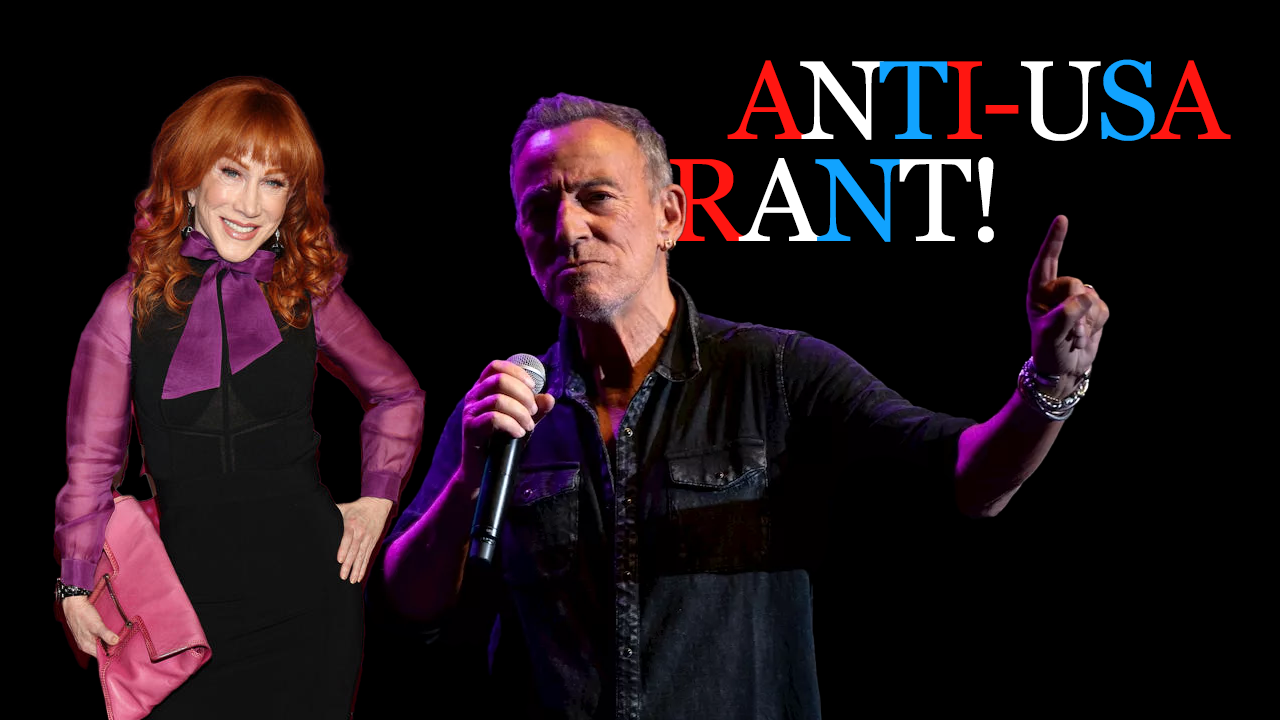
In the quaint town of Red Bank, New Jersey, on January 17, 2026, what should have been a charitable evening dedicated to fighting Parkinson’s disease at the Light of Day Winterfest turned into a platform for leftist agitation. Bruce Springsteen, the aging rock icon known as “The Boss,” made a surprise appearance at the Count Basie Center for the Arts, not to uplift spirits with his music, but to unleash a profane tirade against Immigration and Customs Enforcement (ICE) and President Donald Trump. Dedicating his 1978 song “The Promised Land” to Renee Good—a tragic figure in the Minneapolis unrest—Springsteen decried ICE’s operations as “Gestapo tactics” and echoed the Minneapolis mayor’s vulgar demand that ICE “get the f—k out” of the city. This wasn’t just a momentary lapse; it was a deliberate injection of anti-American sentiment into an event meant for healing and community.
As a Christian conservative, I view this spectacle with profound dismay. Springsteen, born in Long Branch, New Jersey, has long positioned himself as a voice for the working class, drawing on themes of American grit and perseverance in his music. Yet here he stands, aligning with radicals who seek to dismantle the very borders that protect our sovereignty and uphold the rule of law. The Bible teaches us in Romans 13:1-2 that “everyone must submit himself to the governing authorities, for there is no authority except that which God has established.” ICE’s mission—to enforce immigration laws and deport those who violate them—is not an act of tyranny but a fulfillment of government’s God-ordained role to maintain order and protect citizens. By labeling these efforts “Gestapo tactics,” Springsteen not only dishonors the brave men and women of law enforcement but also trivializes the horrors of actual historical atrocities, all while ignoring the chaos caused by unchecked illegal immigration.
This Red Bank event is emblematic of a broader Hollywood-led crusade against American values. Just days after Springsteen’s outburst, he doubled down by releasing “Streets of Minneapolis,” a protest song lambasting ICE as “King Trump’s private army” and decrying deportations that target “black or brown” individuals. The lyrics paint a picture of federal agents as oppressors, conveniently overlooking the fact that ICE’s operations in cities like Minneapolis are responses to sanctuary policies that harbor criminals and endanger communities. Springsteen’s narrative fuels division, portraying law enforcement as racist villains while romanticizing protests that have spiraled into violence and disruption.
But Springsteen isn’t alone in this misguided crusade. A cadre of elite celebrities has joined the fray, using their platforms to amplify anti-ICE rhetoric and portray deportations as inherently unjust. At the 2026 Golden Globes, stars like Ariana Grande, Mark Ruffalo, Wanda Sykes, Jean Smart, and Natasha Lyonne donned “ICE OUT” and “Be Good” pins, turning a celebration of entertainment into a silent protest against border security. Ruffalo, ever the virtue-signaler, told reporters, “What I’m seeing here happening is not America,” as if enforcing immigration laws equates to un-American behavior. Sykes echoed this, calling for “shutting this rogue government down.” These pins, organized by activist groups like the ACLU, honor victims like Renee Good and Alex Pretti, but they ignore the context: protests that block roads, harass officers, and escalate tensions, leading to tragic outcomes.
The Grammys on February 1, 2026, escalated this celebrity activism. Billie Eilish, accepting Song of the Year for “Wildflower,” declared, “No one is illegal on stolen land… f–k ICE,” drawing cheers from an audience detached from the realities of border communities. Eilish, who has repeatedly condemned ICE’s actions in Minneapolis, urged fellow celebrities to “speak up,” as if silence on this issue equates to complicity. Puerto Rican rapper Bad Bunny, winning Album of the Year, proclaimed “ICE out!” and insisted, “We’re not savages, we’re not animals, we are humans and we are Americans.” Olivia Rodrigo and Ariana Grande have also voiced support, with Rodrigo blasting ICE raids in social media posts and Grande wearing protest pins. Even Pedro Pascal, Jamie Lee Curtis, Katy Perry, and Kerry Washington have called for national strikes and blocked funding for ICE, framing deportations as “kidnappings” and assaults on civil rights.
From a Christian perspective, this celebrity-driven narrative is deeply troubling. Scripture calls us to “love your neighbor as yourself” (Mark 12:31), but it also emphasizes justice and obedience to laws. Illegal immigration strains resources, enables human trafficking, and undermines the legal pathways that honor those who wait patiently. Conservatives believe in compassionate but secure borders—welcoming immigrants who respect our laws, not rewarding those who flout them. Yet these stars, ensconced in their gated mansions and private jets, hypocritically decry the very system that protects their privileges. Springsteen’s wealth, amassed in the land of opportunity he now derides, allows him to pontificate from afar, while everyday Americans bear the costs of open borders: increased crime, overburdened schools, and strained hospitals.
Moreover, this anti-ICE fervor aligns with a broader secular agenda that rejects biblical authority. By labeling deportations “anti-American,” these celebrities invert patriotism, suggesting that true Americanism means dissolving borders and excusing lawlessness. President Trump’s policies, aimed at deporting criminals and securing our nation, are rooted in protecting the vulnerable—women and children exploited by cartels, families devastated by fentanyl floods. The protests they champion, including those in Red Bank where ICE arrests have ramped up amid local raids, disrupt communities and endanger officers. Springsteen’s call to “send a message” to the president isn’t about dialogue; it’s about rebellion against duly elected authority.
As Christians, we must pray for these influencers to see the light. Their talents, God-given, should edify rather than divide. Instead of fueling protests that paint America as an oppressor, they could advocate for reforms that balance mercy with justice—streamlining legal immigration, supporting border agents, and addressing root causes in sending countries. But alas, Hollywood’s echo chamber prioritizes virtue-signaling over virtue.
In conclusion, Springsteen’s Red Bank rant and the chorus of celebrity voices against ICE represent a dangerous erosion of American and Christian principles. By supporting what they call “protests” but what conservatives see as anarchic disruptions, they undermine the fabric of our republic. Let us stand firm in faith, upholding law and order as the foundation of a just society. As Proverbs 14:34 reminds us, “Righteousness exalts a nation, but sin condemns any people.” It’s time for true patriots to reclaim the narrative from these misguided elites.

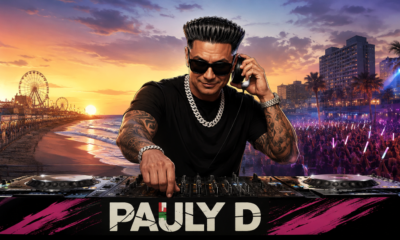





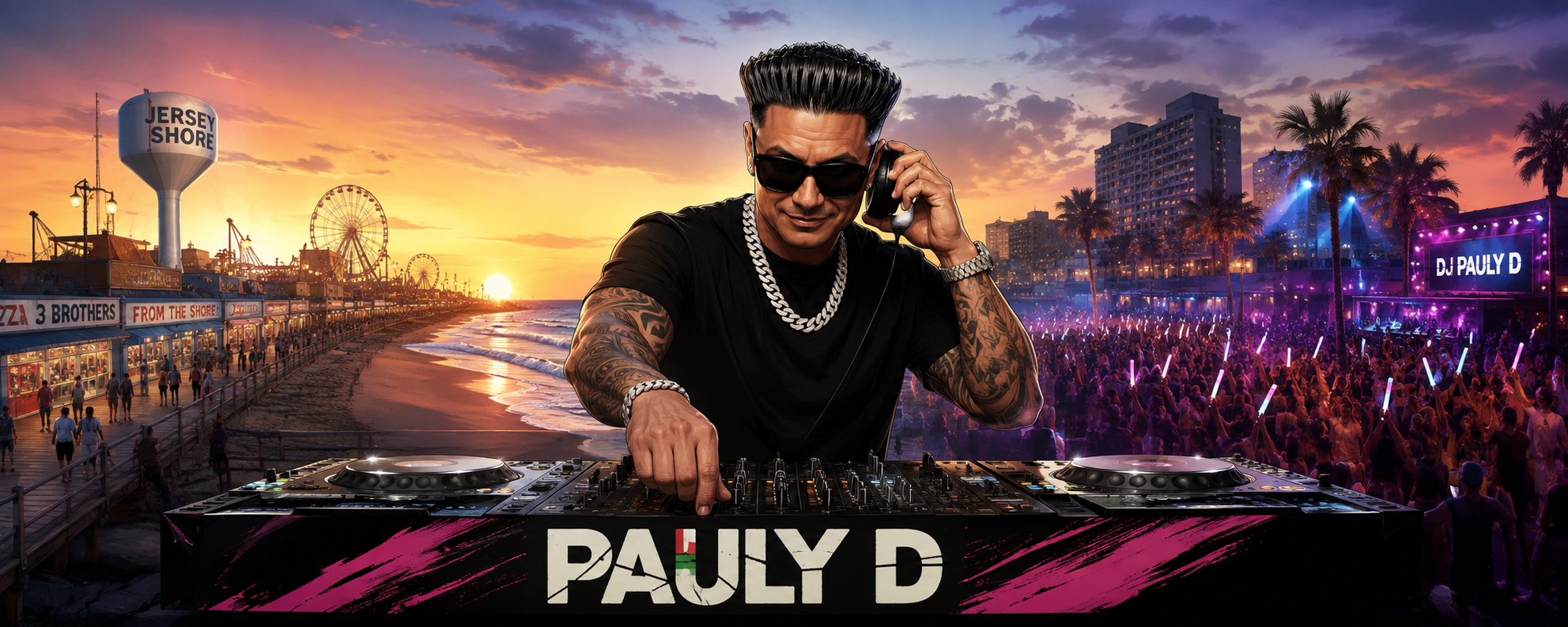
Pauly D figured out something most reality stars never do. He didn’t run from the show that made him. He took the party with him.
More than 15 years after MTV introduced the world to Paul “DJ Pauly D” DelVecchio and that unforgettable blowout, the Rhode Island native is still one of the most recognizable faces from Jersey Shore. What sets him apart is that the fame didn’t turn into a punchline or a cautionary tale. It turned into a real touring career that shows no signs of slowing down in 2026.
The Party Never Stopped
In a recent interview, Pauly described his live shows the only way that makes sense: one giant party. Coming from him, that’s not surprising. What’s impressive is that people are still lining up for it.
He’s currently working clubs and venues across the country—Las Vegas, Boise, Salt Lake City, and more—with a New York date locked in for October 9 at The Rooftop at Pier 17. He doesn’t just show up with a fixed playlist and hit play. He reads the room and adjusts in real time. That ability separates the guys who had a moment from the ones who can still hold a crowd years later.
Reality TV got him in the door. The rest has been pure entertainment.
From Catchphrase to Career
When Jersey Shore hit in 2009, few would have bet on which cast members would still be working nearly two decades later. Pauly had an advantage most of them didn’t: he was already a DJ. The show didn’t invent a career for him—it amplified the one he already had. The larger-than-life energy, the crowd sense, the willingness to lean into the chaos all translated cleanly from the house to the booth.
The joke became the brand. The brand became a business.
Today he still appears on Jersey Shore: Family Vacation while keeping a steady DJ schedule and releasing new music, including the 2026 single “Lost” with Capri Everitt. More tracks are on the way. That’s a long runway for something that could have easily faded into a very specific piece of late-2000s nostalgia.
Still Jersey, Even in Vegas
Yes, he was born in Rhode Island. The letters can stay in the drawer.
Jersey Shore permanently linked Pauly, Snooki, The Situation and the rest of them to a particular version of Shore culture—exaggerated, loud, and impossible to ignore. Whether people from New Jersey loved it or hated it, the rest of the world met that version through the cast. Pauly understood the assignment better than most. He never tried to distance himself from the character audiences connected with. He owned it, laughed with it, and kept moving without rewriting the past.
There’s a clean simplicity to that approach.
One Big Party
Pauly is 46. The hair still holds. The crowds still show up. The booth isn’t going anywhere.
His path offers a quiet lesson about sudden fame. Getting through the door is one thing. Staying relevant after the cameras leave requires giving people something they’re still willing to pay for. Pauly found his thing—or maybe it was always his thing.
A lot has changed since those early summers on the Shore. His basic deal with the audience hasn’t:
Show up. Turn the music up. Have a good time.
Sometimes the simplest model is the one that lasts.
Celebrity
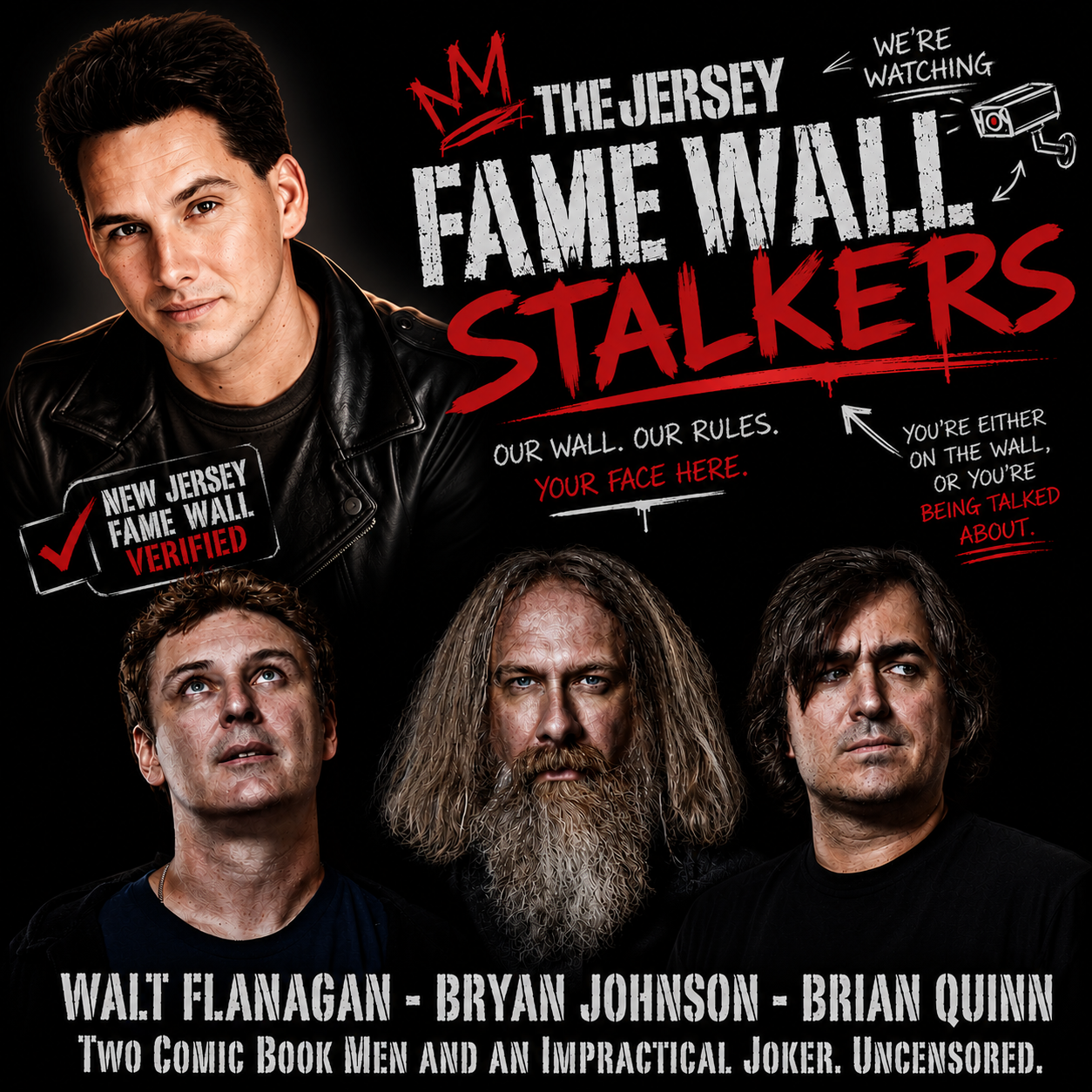
TESD, Q, and the Great NJ Fame Wall Conspiracy: Did They Finally Notice The Jersey Review?



Sea.Hear.Now Is Sold Out. Here’s What Asbury Park Is Getting Next Weekend

Boots on BroadWalk: Red Bank Closes Labor Day With Line Dancing

Labor Day Weekend Isn’t Over: 5 Things to Do in Monmouth County Sunday and Monday

From the Jersey Shore to the DJ Booth: Pauly D Is Still Having One Big Party

Is the Jersey Shore Becoming Too Expensive for the Families Who Built It?
Labor Day Weekend Isn’t Over: 5 Things to Do in Monmouth County Sunday and Monday
Boots on BroadWalk: Red Bank Closes Labor Day With Line Dancing
Sea.Hear.Now Is Sold Out. Here’s What Asbury Park Is Getting Next Weekend

The Captive: A Chilling Thriller About the Fight to Protect the Innocent

Alice In Chains

Tucker Carlson

Solo Mio Behind the Scenes (BTS)

NJ Film Expo 2025: A Breakout Moment for New Jersey’s Filmmaking Future

-
 Celebrity9 months ago
New Jersey Fame Wall
-
 Beaches & Towns6 months ago
Shore Towns Begin Early Safety Planning Ahead of Summer 2026 Crowds
-

 Beaches & Towns4 months ago
Great White Shark Sightings Spark Early Summer Conversation Along the Jersey Coast
-

 Beaches & Towns7 months ago
Breadsticks Cafe & Grill: A Cheerful Breakfast Spot with Ocean Views
-
 Entertainment8 months ago
Playwright & Filmmaker Tom Cavanaugh Named Finalist for 2026 TASTE Awards Following Recognition in Asbury Park
-
 Celebrity6 months ago
Southside Johnny: The Grandfather of the New Jersey Sound
-

 Features5 months ago
Il Leone: A Refined Italian Experience Rooted in Family, Fire, and Flavor in Matawan
-
 Entertainment7 months ago
Alice In Chains