

Celebrity
Garden State Icon Bruce Springsteen Teams Up with Barack Obama in “Renegades: Born in the USA” – A Liberal Echo Chamber in Print
The book markets itself as an honest dialogue between two “outsiders” reflecting on America—covering personal stories, family, race, masculinity, fatherhood, and the supposed decline of the American Dream. Obama notes their differences upfront: “He’s a white guy from a small town in Jersey; I’m a Black guy of mixed race, born in Hawaii… He’s a rock ‘n’ roll icon. I’m a lawyer and politician—not as cool.” Yet they claim a shared “sensibility” about work, family, and the nation.

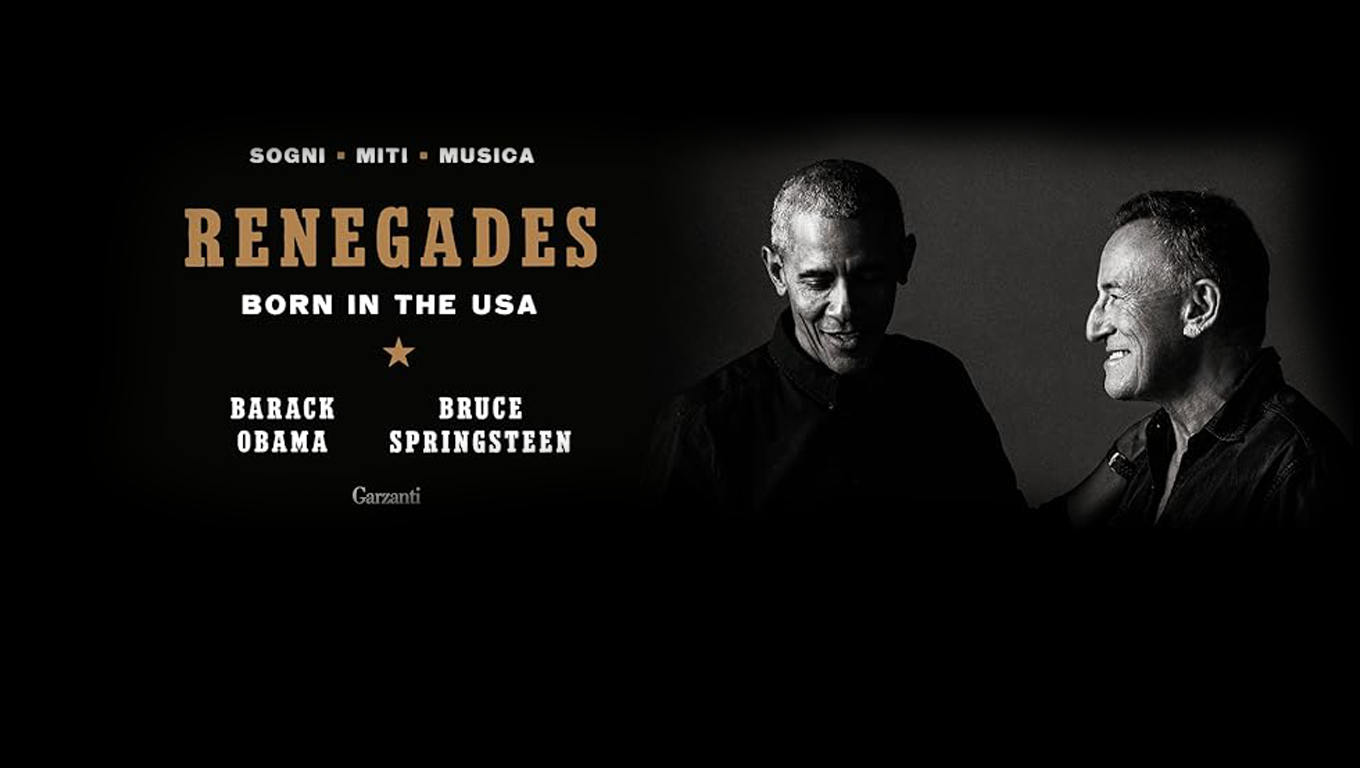
For years, Bruce Springsteen—the Freehold, New Jersey native and self-proclaimed voice of the working man—has drifted further from the blue-collar roots that made him famous, embracing progressive causes and celebrity friendships that often feel out of touch with everyday Americans. His latest collaboration, Renegades: Born in the USA (Crown/Penguin Random House, 2021), with former President Barack Obama, is a prime example: a glossy, photo-heavy book spun from their Higher Ground podcast chats, recorded at Springsteen’s Monmouth County home.
The book markets itself as an honest dialogue between two “outsiders” reflecting on America—covering personal stories, family, race, masculinity, fatherhood, and the supposed decline of the American Dream. Obama notes their differences upfront: “He’s a white guy from a small town in Jersey; I’m a Black guy of mixed race, born in Hawaii… He’s a rock ‘n’ roll icon. I’m a lawyer and politician—not as cool.” Yet they claim a shared “sensibility” about work, family, and the nation.
Conservatives might raise an eyebrow at the title alone. “Renegades”? The term feels ironic for two multimillionaires—one a global music legend, the other a former president—who’ve spent decades at the pinnacle of elite culture. Springsteen’s early songs like those on Born in the U.S.A. (often misinterpreted as patriotic anthems) once resonated with traditional values of hard work and resilience. Now, in these pages, the conversations lean heavily into liberal talking points: critiques of polarization, laments over progress since the 1960s civil rights era, and vague calls to confront “destructive forces” threatening the country.
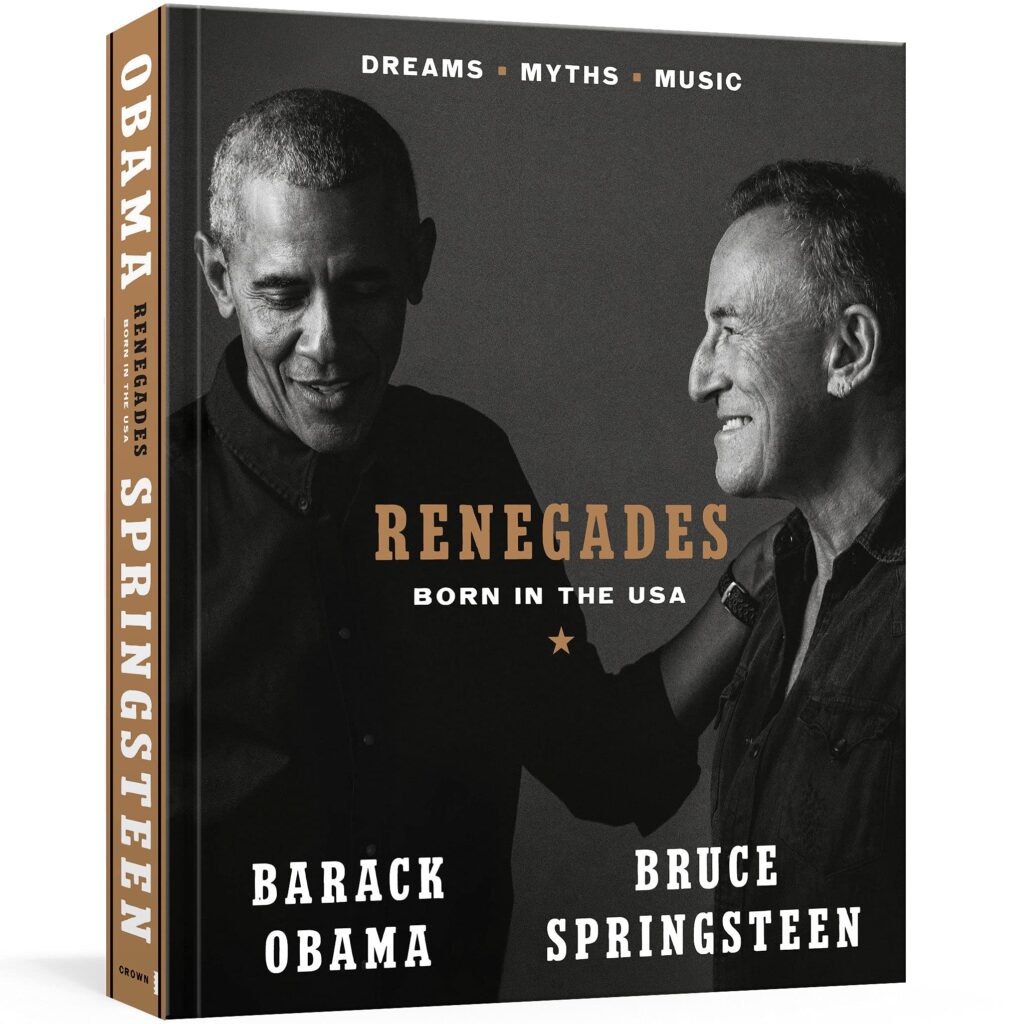
Springsteen warns of the need to “turn united to face the fire” and ponder what kind of nation we leave our children—noble sentiments on paper, but in context, they echo the same elite disdain for conservative policies and figures that Springsteen has voiced at concerts and in endorsements for years. The book avoids real debate, opting instead for a cozy, affirming exchange between two like-minded celebrities who already agree on most things. There’s little challenge to progressive narratives on race, economics, or cultural shifts—just mutual back-patting and nostalgia for a vaguely better past.
Packed with rare photos, Springsteen’s handwritten lyrics, and Obama’s annotated speeches, the volume is undeniably polished and appealing to fans of both men. But for many readers—especially those who value traditional American values like self-reliance, limited government, and faith in the nation’s enduring promise—it reads more like an echo chamber than a genuine search for truth. The “renegades” here aren’t rebelling against the system; they’re comfortably atop it, lamenting its flaws from a distance.
Originally released in October 2021, Renegades remains a cultural artifact of elite liberal reflection—timely in its day, perhaps, but increasingly distant from the concerns of ordinary Garden State residents facing rising costs, cultural erosion, and a sense that Washington insiders (and their celebrity friends) no longer understand the real America.
(Adapted with a conservative lens from original book descriptions, reviews in National Review, The Atlantic, The Guardian, and other sources noting the duo’s aligned politics and perceived detachment, as of 2026.)










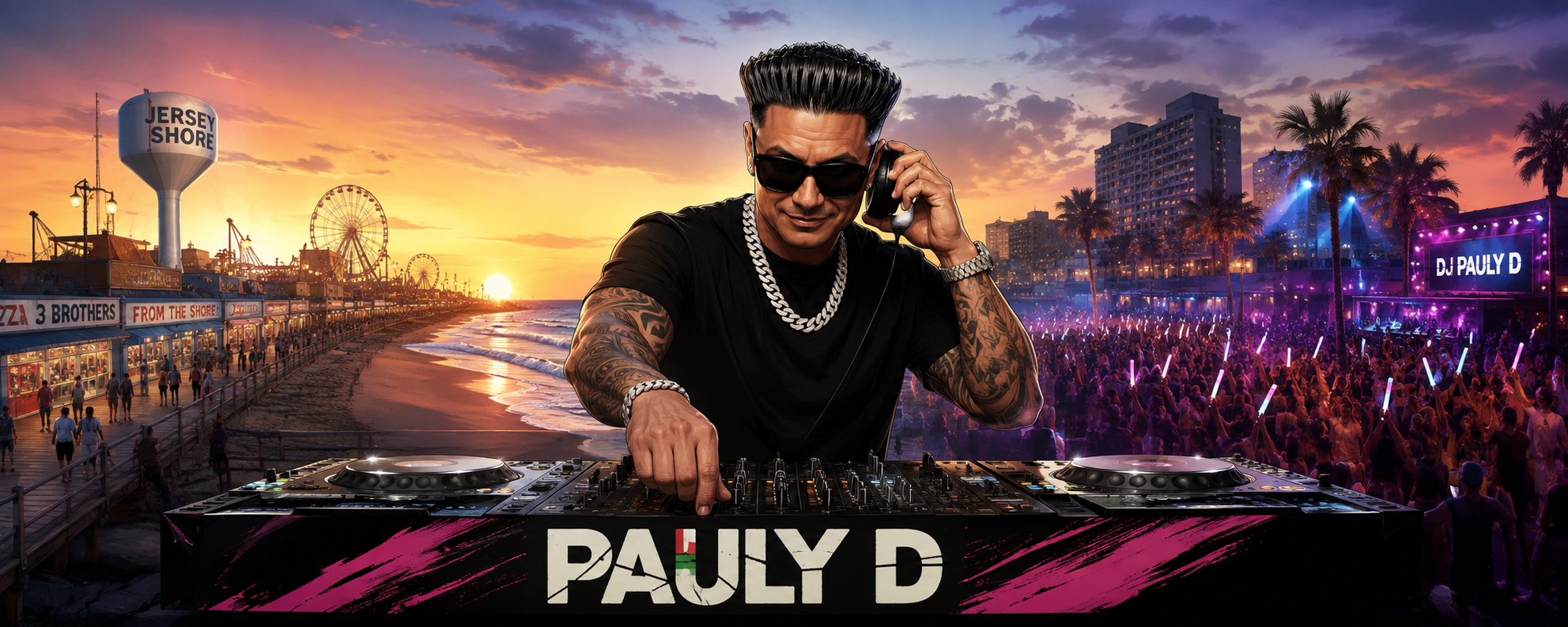
Pauly D figured out something most reality stars never do. He didn’t run from the show that made him. He took the party with him.
More than 15 years after MTV introduced the world to Paul “DJ Pauly D” DelVecchio and that unforgettable blowout, the Rhode Island native is still one of the most recognizable faces from Jersey Shore. What sets him apart is that the fame didn’t turn into a punchline or a cautionary tale. It turned into a real touring career that shows no signs of slowing down in 2026.
The Party Never Stopped
In a recent interview, Pauly described his live shows the only way that makes sense: one giant party. Coming from him, that’s not surprising. What’s impressive is that people are still lining up for it.
He’s currently working clubs and venues across the country—Las Vegas, Boise, Salt Lake City, and more—with a New York date locked in for October 9 at The Rooftop at Pier 17. He doesn’t just show up with a fixed playlist and hit play. He reads the room and adjusts in real time. That ability separates the guys who had a moment from the ones who can still hold a crowd years later.
Reality TV got him in the door. The rest has been pure entertainment.
From Catchphrase to Career
When Jersey Shore hit in 2009, few would have bet on which cast members would still be working nearly two decades later. Pauly had an advantage most of them didn’t: he was already a DJ. The show didn’t invent a career for him—it amplified the one he already had. The larger-than-life energy, the crowd sense, the willingness to lean into the chaos all translated cleanly from the house to the booth.
The joke became the brand. The brand became a business.
Today he still appears on Jersey Shore: Family Vacation while keeping a steady DJ schedule and releasing new music, including the 2026 single “Lost” with Capri Everitt. More tracks are on the way. That’s a long runway for something that could have easily faded into a very specific piece of late-2000s nostalgia.
Still Jersey, Even in Vegas
Yes, he was born in Rhode Island. The letters can stay in the drawer.
Jersey Shore permanently linked Pauly, Snooki, The Situation and the rest of them to a particular version of Shore culture—exaggerated, loud, and impossible to ignore. Whether people from New Jersey loved it or hated it, the rest of the world met that version through the cast. Pauly understood the assignment better than most. He never tried to distance himself from the character audiences connected with. He owned it, laughed with it, and kept moving without rewriting the past.
There’s a clean simplicity to that approach.
One Big Party
Pauly is 46. The hair still holds. The crowds still show up. The booth isn’t going anywhere.
His path offers a quiet lesson about sudden fame. Getting through the door is one thing. Staying relevant after the cameras leave requires giving people something they’re still willing to pay for. Pauly found his thing—or maybe it was always his thing.
A lot has changed since those early summers on the Shore. His basic deal with the audience hasn’t:
Show up. Turn the music up. Have a good time.
Sometimes the simplest model is the one that lasts.
Celebrity
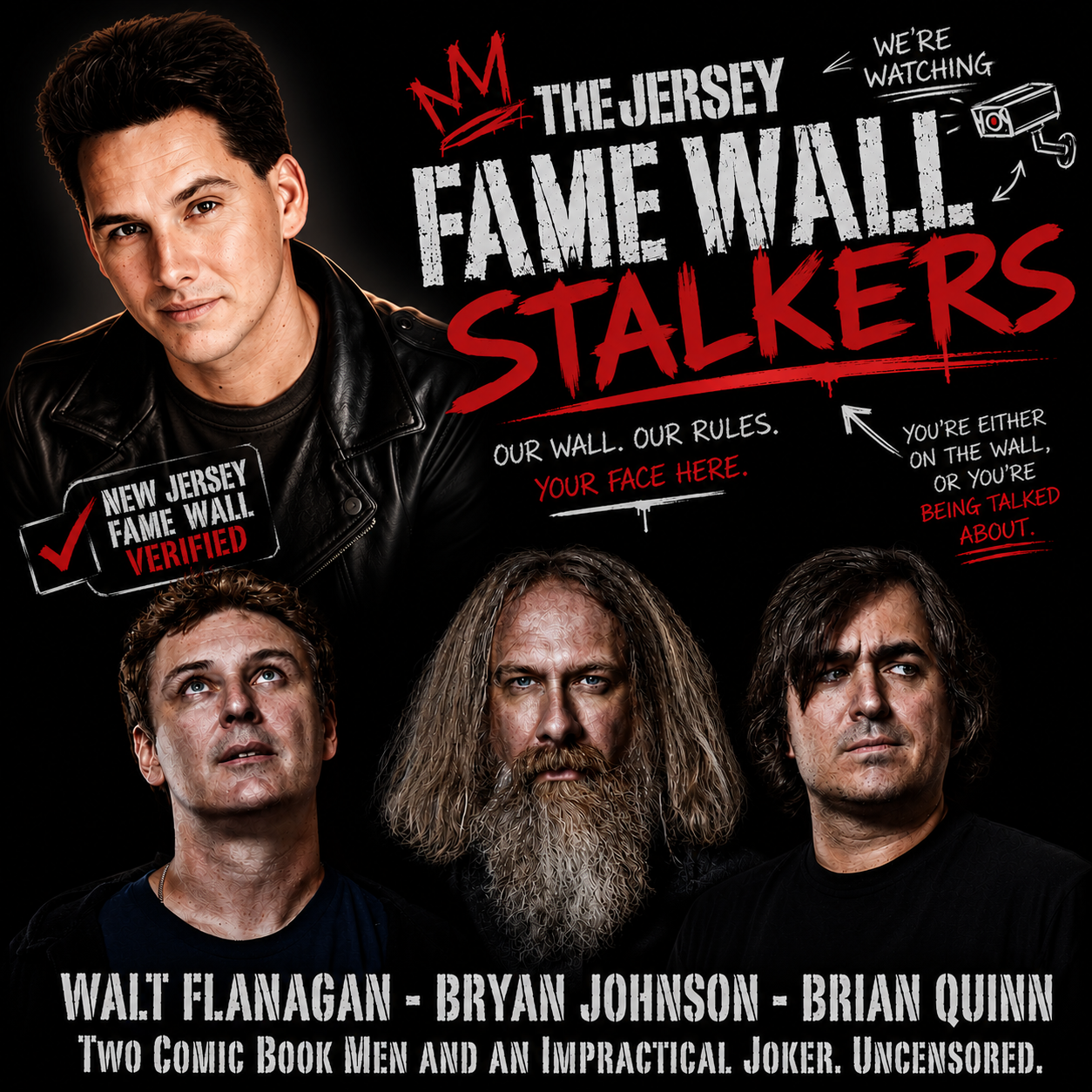
TESD, Q, and the Great NJ Fame Wall Conspiracy: Did They Finally Notice The Jersey Review?




Sea.Hear.Now Is Sold Out. Here’s What Asbury Park Is Getting Next Weekend

Boots on BroadWalk: Red Bank Closes Labor Day With Line Dancing

Labor Day Weekend Isn’t Over: 5 Things to Do in Monmouth County Sunday and Monday

From the Jersey Shore to the DJ Booth: Pauly D Is Still Having One Big Party

Is the Jersey Shore Becoming Too Expensive for the Families Who Built It?
Labor Day Weekend Isn’t Over: 5 Things to Do in Monmouth County Sunday and Monday
Boots on BroadWalk: Red Bank Closes Labor Day With Line Dancing
Sea.Hear.Now Is Sold Out. Here’s What Asbury Park Is Getting Next Weekend

The Captive: A Chilling Thriller About the Fight to Protect the Innocent

Alice In Chains

Tucker Carlson

Solo Mio Behind the Scenes (BTS)

NJ Film Expo 2025: A Breakout Moment for New Jersey’s Filmmaking Future

-
 Celebrity9 months ago
New Jersey Fame Wall
-
 Beaches & Towns6 months ago
Shore Towns Begin Early Safety Planning Ahead of Summer 2026 Crowds
-

 Beaches & Towns4 months ago
Great White Shark Sightings Spark Early Summer Conversation Along the Jersey Coast
-

 Beaches & Towns7 months ago
Breadsticks Cafe & Grill: A Cheerful Breakfast Spot with Ocean Views
-
 Entertainment8 months ago
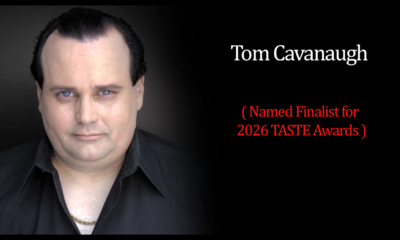
Playwright & Filmmaker Tom Cavanaugh Named Finalist for 2026 TASTE Awards Following Recognition in Asbury Park
-
 Celebrity6 months ago
Southside Johnny: The Grandfather of the New Jersey Sound
-

 Features5 months ago
Il Leone: A Refined Italian Experience Rooted in Family, Fire, and Flavor in Matawan
-
 Entertainment7 months ago
Alice In Chains