

Features
Solo Mio: A Heartwarming Journey of Healing and Hope
In a world where Hollywood often prioritizes edginess over earnestness, Solo Mio shines as a beacon of wholesome entertainment. Directed by the Kinnane Brothers and co-written by star Kevin James, this 2026 romantic comedy-drama follows Matt Taylor (James), an everyday guy whose dream wedding crumbles when his fiancée leaves him at the altar. Instead of wallowing, Matt embarks on what was meant to be his Italian honeymoon—solo. What unfolds is a delightful tale of self-discovery, unexpected friendships, and the gentle nudge toward true love, all set against the stunning backdrop of Rome’s ancient streets and sun-kissed countrysides. From a family-friendly Christian perspective, Solo Mio earns a solid 4.5 out of 5 stars for its blend of humor, heart, and values that uplift marriage and family without preaching.

4.5/5 STAR RATING, PG, Faith, Marriage, Family Friendly!
In a world where Hollywood often prioritizes edginess over earnestness, Solo Mio shines as a beacon of wholesome entertainment. Directed by the Kinnane Brothers and co-written by star Kevin James, this 2026 romantic comedy-drama follows Matt Taylor (James), an everyday guy whose dream wedding crumbles when his fiancée leaves him at the altar. Instead of wallowing, Matt embarks on what was meant to be his Italian honeymoon—solo. What unfolds is a delightful tale of self-discovery, unexpected friendships, and the gentle nudge toward true love, all set against the stunning backdrop of Rome’s ancient streets and sun-kissed countrysides. From a family-friendly Christian perspective, Solo Mio earns a solid 4.5 out of 5 stars for its blend of humor, heart, and values that uplift marriage and family without preaching.
James, known for his everyman charm in films like Paul Blart: Mall Cop, delivers one of his most nuanced performances yet. As Matt, he’s vulnerable and relatable—a devoted man grappling with betrayal but choosing growth over bitterness. The film avoids crude jokes, opting instead for situational comedy that’s clean and clever, like Matt’s awkward solo adventures on tandem bikes or romantic dinners for one. Supporting cast members elevate the story: Jonathan Roumie, beloved for portraying Jesus in The Chosen, brings warmth and wisdom as Matt’s therapist Neil, offering counsel that subtly echoes biblical themes of forgiveness and renewal. Alyson Hannigan adds spunk as a supportive friend, while Kim Coates and Nicole Grimaudo round out the ensemble with genuine chemistry. The Italian locales aren’t just eye candy; they symbolize a fresh start, reminding viewers of God’s beautiful creation and the possibility of redemption in unexpected places.
What makes Solo Mio particularly praiseworthy from a Christian lens is its pro-marriage stance. Rather than mocking commitment, the film honors the sanctity of vows, portraying heartbreak as a path to deeper understanding of love’s true meaning—selfless, enduring, and rooted in faith. Matt’s journey isn’t about rebounding recklessly; it’s a thoughtful exploration of healing, emphasizing family bonds and community support. There’s no glorification of casual relationships; instead, we see authentic connections built on respect and shared values. The humor is family-safe, relying on James’ physical comedy and witty dialogue that pokes fun at human foibles without descending into vulgarity. It’s the kind of movie where parents can laugh alongside their teens, discussing afterward how God’s timing often surprises us, much like Proverbs 16:9: “In their hearts humans plan their course, but the Lord establishes their steps.”
Visually, the film is a treat, with cinematography that captures Italy’s golden-hour glow and historic charm, evoking a sense of wonder that aligns with appreciating the Creator’s handiwork. The soundtrack, blending upbeat Italian tunes with heartfelt scores, enhances the emotional beats without overpowering them. Angel Studios, the distributor behind uplifting hits like Sound of Freedom, has crafted a rom-com that’s not overtly evangelical but resonates with believers through its themes of grace and second chances. It’s wholesome entertainment that counters cynicism, showing that laughter and love can coexist in a story that’s pro-family at its core—celebrating the idea that strong marriages and supportive kinships are worth pursuing.
At just over 100 minutes, Solo Mio doesn’t overstay its welcome, leaving audiences with a feel-good afterglow. It’s perfect for date nights, family movie evenings, or church groups seeking lighthearted fare that sparks positive conversations. While it earns its PG rating with mild thematic elements, there’s nothing here to offend— no profanity, violence, or sensuality. If there’s a minor quibble, it’s that some supporting arcs could delve deeper, but that’s nitpicking in an otherwise charming package. In an era of divisive content, Solo Mio reminds us why stories of hope and humor matter. Grab your loved ones and catch it in theaters; it’s a joyful reminder that even in solitude, God’s plan for companionship shines through.
4.5/5 stars (⭐⭐⭐⭐½) highly recommended for its funny, family-friendly wholesomeness.













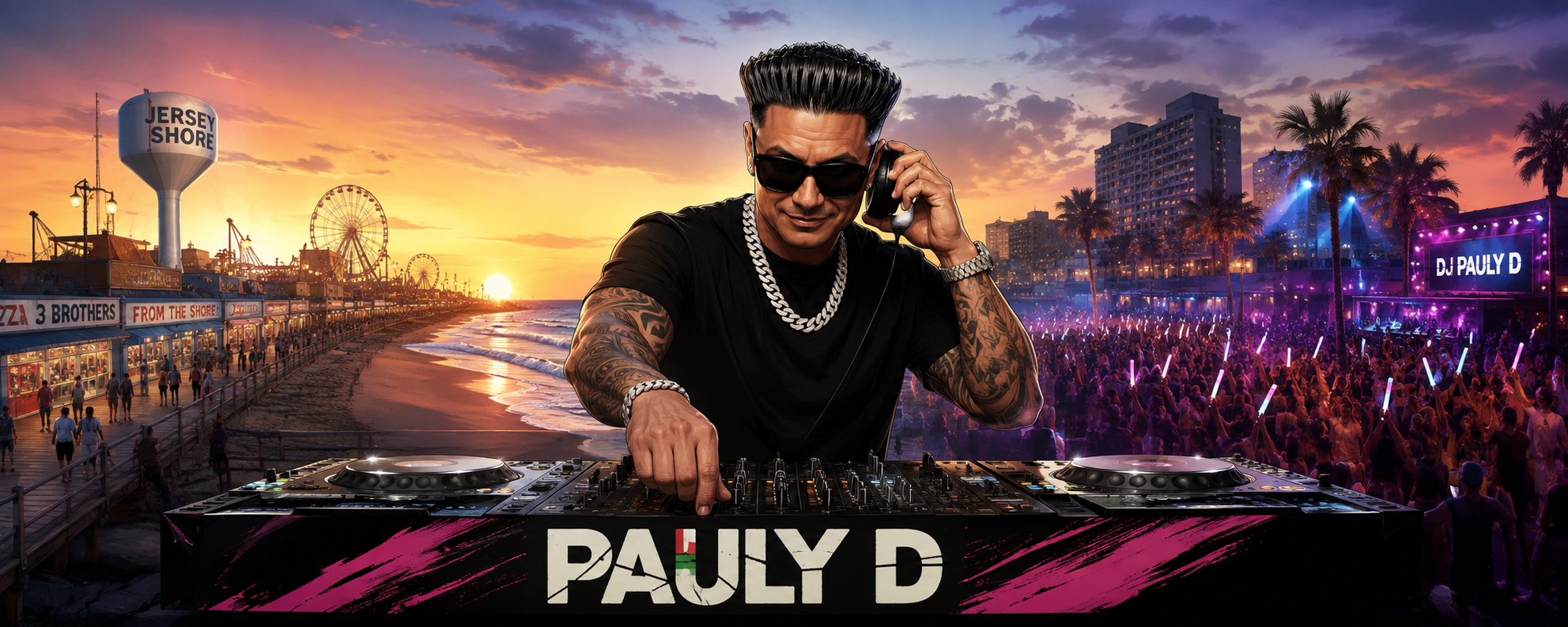
Pauly D figured out something most reality stars never do. He didn’t run from the show that made him. He took the party with him.
More than 15 years after MTV introduced the world to Paul “DJ Pauly D” DelVecchio and that unforgettable blowout, the Rhode Island native is still one of the most recognizable faces from Jersey Shore. What sets him apart is that the fame didn’t turn into a punchline or a cautionary tale. It turned into a real touring career that shows no signs of slowing down in 2026.
The Party Never Stopped
In a recent interview, Pauly described his live shows the only way that makes sense: one giant party. Coming from him, that’s not surprising. What’s impressive is that people are still lining up for it.
He’s currently working clubs and venues across the country—Las Vegas, Boise, Salt Lake City, and more—with a New York date locked in for October 9 at The Rooftop at Pier 17. He doesn’t just show up with a fixed playlist and hit play. He reads the room and adjusts in real time. That ability separates the guys who had a moment from the ones who can still hold a crowd years later.
Reality TV got him in the door. The rest has been pure entertainment.
From Catchphrase to Career
When Jersey Shore hit in 2009, few would have bet on which cast members would still be working nearly two decades later. Pauly had an advantage most of them didn’t: he was already a DJ. The show didn’t invent a career for him—it amplified the one he already had. The larger-than-life energy, the crowd sense, the willingness to lean into the chaos all translated cleanly from the house to the booth.
The joke became the brand. The brand became a business.
Today he still appears on Jersey Shore: Family Vacation while keeping a steady DJ schedule and releasing new music, including the 2026 single “Lost” with Capri Everitt. More tracks are on the way. That’s a long runway for something that could have easily faded into a very specific piece of late-2000s nostalgia.
Still Jersey, Even in Vegas
Yes, he was born in Rhode Island. The letters can stay in the drawer.
Jersey Shore permanently linked Pauly, Snooki, The Situation and the rest of them to a particular version of Shore culture—exaggerated, loud, and impossible to ignore. Whether people from New Jersey loved it or hated it, the rest of the world met that version through the cast. Pauly understood the assignment better than most. He never tried to distance himself from the character audiences connected with. He owned it, laughed with it, and kept moving without rewriting the past.
There’s a clean simplicity to that approach.
One Big Party
Pauly is 46. The hair still holds. The crowds still show up. The booth isn’t going anywhere.
His path offers a quiet lesson about sudden fame. Getting through the door is one thing. Staying relevant after the cameras leave requires giving people something they’re still willing to pay for. Pauly found his thing—or maybe it was always his thing.
A lot has changed since those early summers on the Shore. His basic deal with the audience hasn’t:
Show up. Turn the music up. Have a good time.
Sometimes the simplest model is the one that lasts.
-

 Celebrity9 months ago
New Jersey Fame Wall
-

 Beaches & Towns6 months ago
Shore Towns Begin Early Safety Planning Ahead of Summer 2026 Crowds
-

 Beaches & Towns5 months ago
Great White Shark Sightings Spark Early Summer Conversation Along the Jersey Coast
-
 Entertainment8 months ago
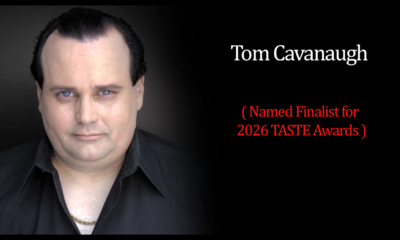
Playwright & Filmmaker Tom Cavanaugh Named Finalist for 2026 TASTE Awards Following Recognition in Asbury Park
-

 Beaches & Towns8 months ago
Breadsticks Cafe & Grill: A Cheerful Breakfast Spot with Ocean Views
-

 Celebrity6 months ago
Southside Johnny: The Grandfather of the New Jersey Sound
-

 Features6 months ago
Il Leone: A Refined Italian Experience Rooted in Family, Fire, and Flavor in Matawan
-

 Entertainment8 months ago
Alice In Chains