

Lifestyle
9 Can’t-Miss Events This March in New Jersey

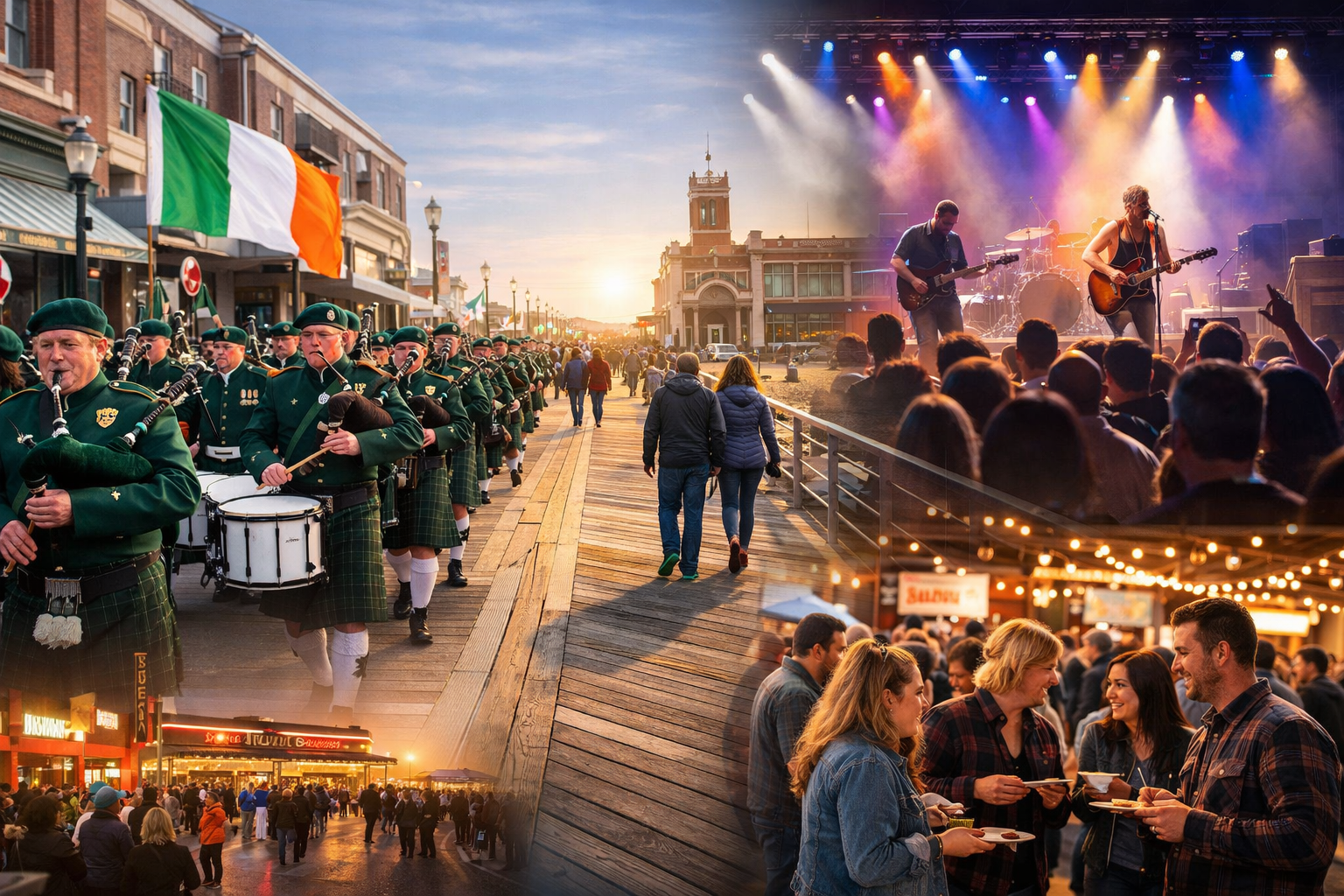
March in New Jersey is where winter loosens its grip and the state starts waking up again. Parades roll down Main Streets. Music spills out of venues. Food festivals warm up crowded halls. It’s that in-between month where you still need a jacket – but the energy shifts.
Here are ten standout events happening across New Jersey this March that deserve a spot on your calendar.
1. Morris County St. Patrick’s Day Parade
March 14 • Morristown
One of the largest St. Patrick’s Day parades in the state returns to Morristown with bagpipes, marching bands, Irish dance troupes, and community groups lining the streets. Businesses throughout town are already selling official parade pins, and turnout is expected to be strong.
2. Sea Isle City St. Patrick’s Parade
March 14 • Sea Isle City
The Shore goes green with a coastal twist. This parade mixes Irish pride with beach-town spirit, drawing visitors from across South Jersey.
3. Garden State Film Festival Preview Events
Various March Dates • Asbury Park
As the full festival approaches in the spring, March events often include early announcements, networking mixers, and film spotlights that draw local creatives and industry professionals.
4. Fourth Wave Fest
House of Independents • Asbury Park
An all-women-led music festival supporting 180 Turning Lives Around, spotlighting artists while supporting survivors of domestic violence.
5. Devils Home Games
Prudential Center • Newark
March hockey matters. With playoff positioning on the line, home games carry extra intensity.
6. Spring Vendor Markets
Across towns like Red Bank, Montclair, and Hoboken, indoor markets begin popping up again — handmade goods, food vendors, and small business showcases.
7. Community Health Clinics
Several municipalities are offering free or low-cost public health services, including blood pressure clinics and wellness screenings.
8. Asbury Park Live Music Series
Winter schedules are giving way to heavier booking lineups as venues prepare for spring.
9. Early Boardwalk Weekends
Weather permitting, Shore towns are seeing the first wave of seasonal foot traffic return.
March isn’t summer — but it’s movement. And New Jersey thrives on movement.








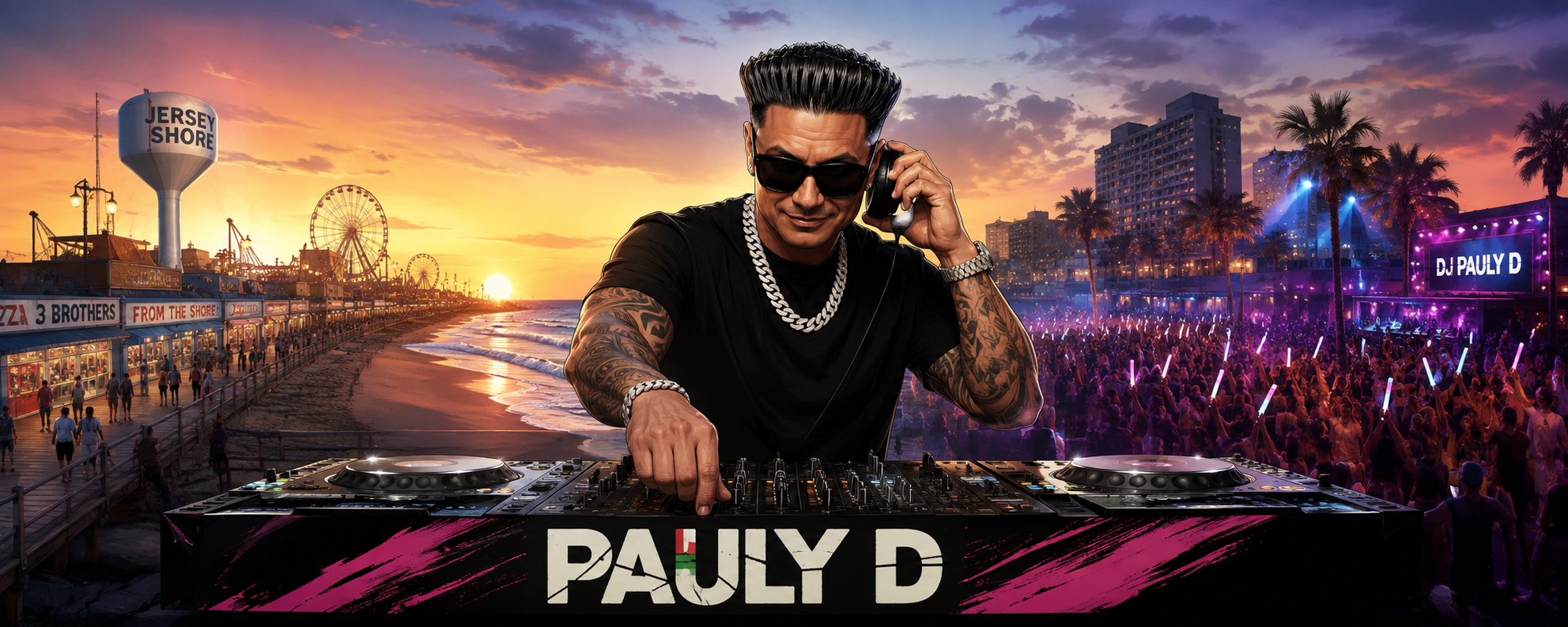
Pauly D figured out something most reality stars never do. He didn’t run from the show that made him. He took the party with him.
More than 15 years after MTV introduced the world to Paul “DJ Pauly D” DelVecchio and that unforgettable blowout, the Rhode Island native is still one of the most recognizable faces from Jersey Shore. What sets him apart is that the fame didn’t turn into a punchline or a cautionary tale. It turned into a real touring career that shows no signs of slowing down in 2026.
The Party Never Stopped
In a recent interview, Pauly described his live shows the only way that makes sense: one giant party. Coming from him, that’s not surprising. What’s impressive is that people are still lining up for it.
He’s currently working clubs and venues across the country—Las Vegas, Boise, Salt Lake City, and more—with a New York date locked in for October 9 at The Rooftop at Pier 17. He doesn’t just show up with a fixed playlist and hit play. He reads the room and adjusts in real time. That ability separates the guys who had a moment from the ones who can still hold a crowd years later.
Reality TV got him in the door. The rest has been pure entertainment.
From Catchphrase to Career
When Jersey Shore hit in 2009, few would have bet on which cast members would still be working nearly two decades later. Pauly had an advantage most of them didn’t: he was already a DJ. The show didn’t invent a career for him—it amplified the one he already had. The larger-than-life energy, the crowd sense, the willingness to lean into the chaos all translated cleanly from the house to the booth.
The joke became the brand. The brand became a business.
Today he still appears on Jersey Shore: Family Vacation while keeping a steady DJ schedule and releasing new music, including the 2026 single “Lost” with Capri Everitt. More tracks are on the way. That’s a long runway for something that could have easily faded into a very specific piece of late-2000s nostalgia.
Still Jersey, Even in Vegas
Yes, he was born in Rhode Island. The letters can stay in the drawer.
Jersey Shore permanently linked Pauly, Snooki, The Situation and the rest of them to a particular version of Shore culture—exaggerated, loud, and impossible to ignore. Whether people from New Jersey loved it or hated it, the rest of the world met that version through the cast. Pauly understood the assignment better than most. He never tried to distance himself from the character audiences connected with. He owned it, laughed with it, and kept moving without rewriting the past.
There’s a clean simplicity to that approach.
One Big Party
Pauly is 46. The hair still holds. The crowds still show up. The booth isn’t going anywhere.
His path offers a quiet lesson about sudden fame. Getting through the door is one thing. Staying relevant after the cameras leave requires giving people something they’re still willing to pay for. Pauly found his thing—or maybe it was always his thing.
A lot has changed since those early summers on the Shore. His basic deal with the audience hasn’t:
Show up. Turn the music up. Have a good time.
Sometimes the simplest model is the one that lasts.

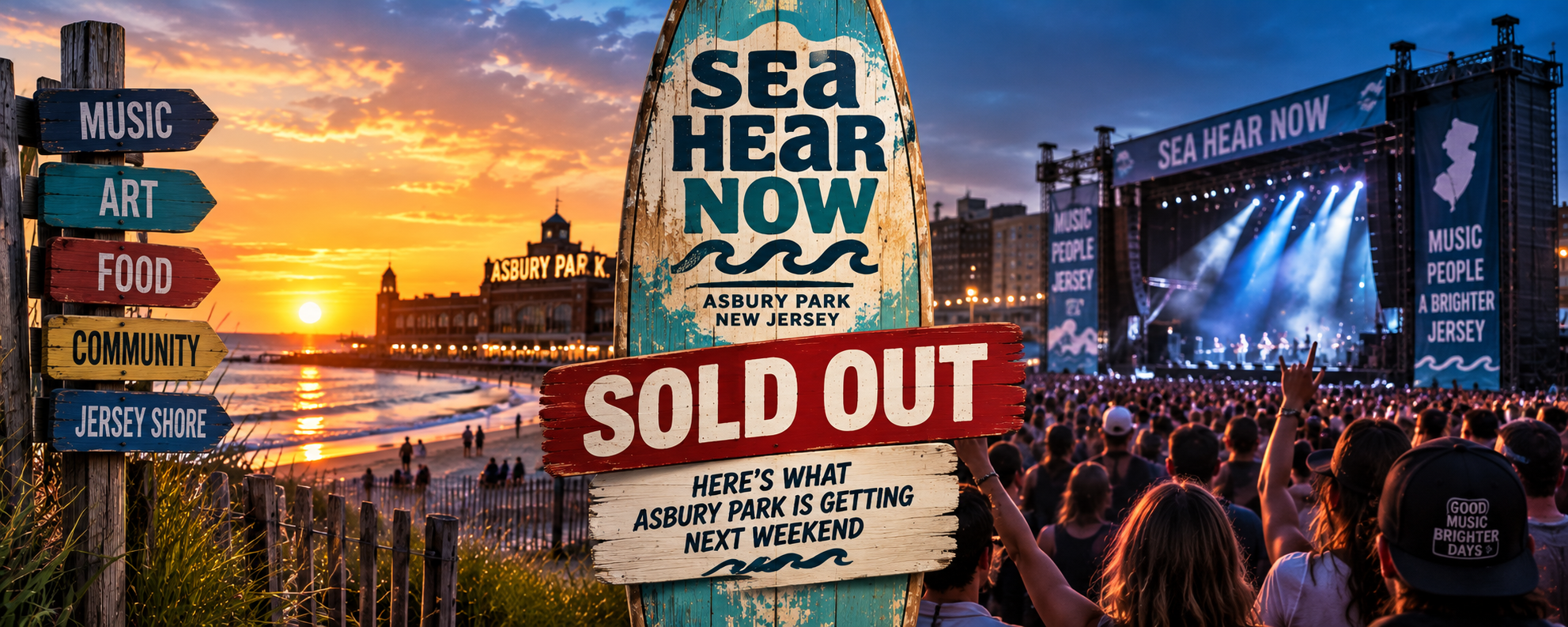
Sea.Hear.Now Is Sold Out. Here’s What Asbury Park Is Getting Next Weekend

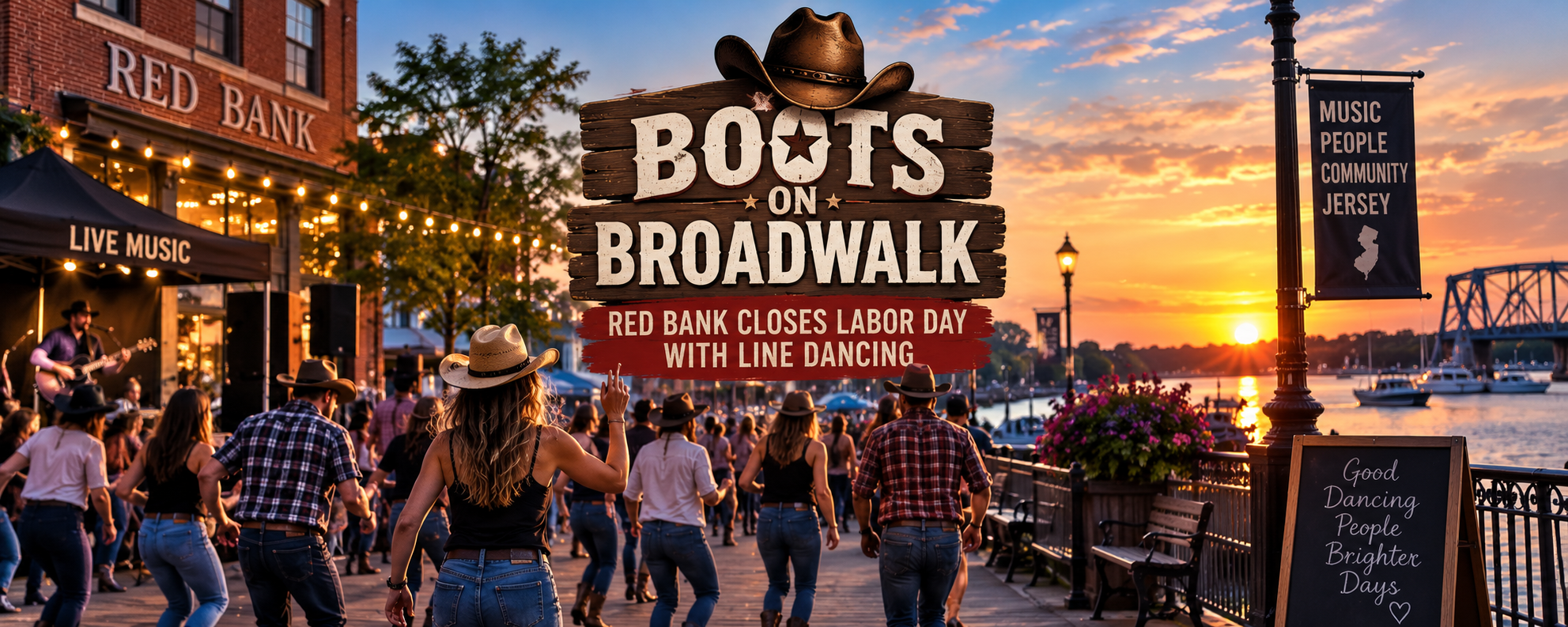
Boots on BroadWalk: Red Bank Closes Labor Day With Line Dancing

Labor Day Weekend Isn’t Over: 5 Things to Do in Monmouth County Sunday and Monday

From the Jersey Shore to the DJ Booth: Pauly D Is Still Having One Big Party

Is the Jersey Shore Becoming Too Expensive for the Families Who Built It?
Labor Day Weekend Isn’t Over: 5 Things to Do in Monmouth County Sunday and Monday
Boots on BroadWalk: Red Bank Closes Labor Day With Line Dancing
Sea.Hear.Now Is Sold Out. Here’s What Asbury Park Is Getting Next Weekend

The Captive: A Chilling Thriller About the Fight to Protect the Innocent

Alice In Chains

Tucker Carlson

Solo Mio Behind the Scenes (BTS)

NJ Film Expo 2025: A Breakout Moment for New Jersey’s Filmmaking Future

-
 Celebrity9 months ago
New Jersey Fame Wall
-
 Beaches & Towns6 months ago
Shore Towns Begin Early Safety Planning Ahead of Summer 2026 Crowds
-

 Beaches & Towns4 months ago
Great White Shark Sightings Spark Early Summer Conversation Along the Jersey Coast
-

 Beaches & Towns7 months ago
Breadsticks Cafe & Grill: A Cheerful Breakfast Spot with Ocean Views
-
 Entertainment8 months ago
Playwright & Filmmaker Tom Cavanaugh Named Finalist for 2026 TASTE Awards Following Recognition in Asbury Park
-

 Celebrity6 months ago
Southside Johnny: The Grandfather of the New Jersey Sound
-

 Features5 months ago
Il Leone: A Refined Italian Experience Rooted in Family, Fire, and Flavor in Matawan
-
 Entertainment7 months ago
Alice In Chains