

Features
An Early Look Ahead: Announcing the Planned Launch of Our New Website (Early 2027)


We’re excited to officially share something we’ve been quietly working toward: the planned launch of our new website in early 2027.
While that may sound far off, the truth is that the foundation is being laid now—thoughtfully, deliberately, and with a clear vision for what we want this platform to become. This isn’t about rushing a product to market or filling pages for the sake of activity. It’s about building something durable, credible, and worth returning to.
From the beginning, our goal has been to create a site that feels less like a blog and more like a publication. A place that values storytelling, cultural context, and editorial judgment. A place that can grow organically—starting small, staying focused, and expanding only when it makes sense.
What We’re Building
The website launching in early 2027 will serve as a digital home for long-form and short-form writing across several core areas: film, music, culture, family, local life, and regional identity. We’re especially interested in stories rooted in New Jersey—its people, its creative output, its neighborhoods, and its influence beyond state lines.
Rather than chasing trends, the site will emphasize consistency, clarity, and voice. Readers should know what they’re getting when they arrive: well-considered articles, reviews that take their time, and coverage that respects both subject and audience.
Development as an Ongoing Process
Development won’t stop at launch. In fact, launch is only one milestone in a longer arc. Between now and early 2027, we’re experimenting with layout, refining category structure, testing editorial workflows, and building systems that make it easier to publish thoughtfully—even with limited time and resources.
A major focus is sustainability. This site is being designed so it can be maintained with just a few hours a week, while still allowing room for contributors, interns, and collaborators to participate meaningfully. Clear category definitions, strong editorial guardrails, and a simple publishing process are all part of that plan.
A Platform for Growth
We also see this website as a platform that can grow alongside its audience. Early stages will focus on foundational content and regular updates. Over time, that can expand into deeper coverage, special series, and partnerships with local voices—whether that’s filmmakers, musicians, writers, or small businesses.
Down the road, the site may support sponsorships, featured partnerships, or curated promotions—but only once there’s real value for readers and credibility behind the work. Growth will be earned, not assumed.
Why Early 2027?
Choosing early 2027 as a target gives us something important: breathing room. Time to plan, test, adjust, and learn without pressure. It allows us to build intentionally rather than reactively, and to make decisions based on what works—not what’s fastest.
It also gives us time to bring others into the process. Writers, interns, and contributors will help shape the voice and direction of the site well before launch, so it reflects a collective effort rather than a last-minute push.
Looking Ahead
There’s something energizing about building quietly. About knowing what’s coming, even if the wider world doesn’t yet. As we move toward early 2027, we’ll continue sharing updates, insights, and occasional previews of what’s taking shape behind the scenes.
We’re grateful to everyone who’s shown interest, offered feedback, or simply checked in along the way. This site is being built with care, and we believe that care will show when it finally goes live.
More soon.

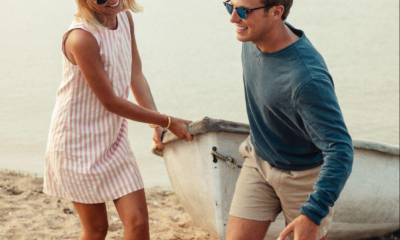








Every summer, the Jersey Shore becomes a stage.
From the boardwalks of Belmar and Point Pleasant to the sidewalks of Spring Lake and Sea Girt, people step back into a tradition that is as much a part of Shore culture as salt air and ice cream cones: dressing well for summer.
Not flashy.
Not loud.
Not driven by whatever trend appeared online last week.
Instead, the Shore’s most enduring style remains rooted in something timeless: classic American coastal fashion blended with generations of European influence.
The Formula Hasn’t Changed
For men, the look is remarkably simple:
- Linen shirts
- Lightweight chinos
- Tailored shorts
- Polo shirts
- Crisp button-downs
- Loafers and boat shoes
Navy, white, khaki, and soft coastal colors continue to dominate because they simply work.
They look clean. They age well. They never feel out of place.
The most stylish people at the Shore are often the ones who appear to be trying the least.
Effortless Never Goes Out of Style
A white linen shirt.
A pair of loafers.
A lightweight navy sport coat for dinner.
These pieces have survived decades because they never truly go out of fashion.
For women, the same philosophy applies.
Flowing summer dresses, tasteful patterns, natural fabrics, and timeless silhouettes continue to define Shore elegance. Whether it’s dinner overlooking the water or an evening stroll along the boardwalk, the look remains polished without feeling formal.
A Tradition Passed Down Through Generations
Part of what makes Jersey Shore style unique is its cultural foundation.
Many Shore communities were built by families whose roots trace back to Italy, Ireland, Germany, Poland, and other parts of Europe. Along with recipes and traditions came a belief that presentation mattered.
Dressing well wasn’t about showing off.
It was about self-respect.
You can still see that mindset today.
Grandparents, parents, and grandchildren may wear different brands, but they often share the same appreciation for quality, fit, and timeless style.
Why It Still Works
Fashion trends come and go.
Social media constantly declares a new must-have item.
Yet every summer, the classic look returns.
Clean lines.
Quality materials.
Confidence without excess.
As outdoor dining patios fill, live music drifts through beach towns, and families gather for evenings on the boardwalk, the Shore naturally encourages people to put a little more thought into how they present themselves.
Not because they have to.
Because they want to.
The Jersey Shore Look for 2026
This summer, the winning formula remains the same:
✔ Linen over logos
✔ Fit over flash
✔ Timeless over trendy
✔ Quality over quantity
Some traditions survive because they work.
At the Jersey Shore, classic style remains one of them.
Celebrity
TESD, Q, and the Great NJ Fame Wall Conspiracy: Did They Finally Notice The Jersey Review?









Summer at the Shore: The Return of Classic American Coastal Style

TESD, Q, and the Great NJ Fame Wall Conspiracy: Did They Finally Notice The Jersey Review?

Wake Up Dead Man: A Knives Out Mystery – It’s This Not This

Dead of Winter: Desperation Can Make People Do Bone Chilling Things

Apex: Man Or Bear
TESD, Q, and the Great NJ Fame Wall Conspiracy: Did They Finally Notice The Jersey Review?
Summer at the Shore: The Return of Classic American Coastal Style
Dead of Winter: Desperation Can Make People Do Bone Chilling Things
Apex: Man Or Bear
Wake Up Dead Man: A Knives Out Mystery – It’s This Not This

The Captive: A Chilling Thriller About the Fight to Protect the Innocent

Alice In Chains

Tucker Carlson

Solo Mio Behind the Scenes (BTS)

NJ Film Expo 2025: A Breakout Moment for New Jersey’s Filmmaking Future

-

 Celebrity6 months ago
New Jersey Fame Wall
-

 Entertainment5 months ago
Playwright & Filmmaker Tom Cavanaugh Named Finalist for 2026 TASTE Awards Following Recognition in Asbury Park
-

 Editorial4 months ago
The Silent Epidemic: Why Your Child’s Future Hangs in the Balance:
-

 Features2 months ago
Il Leone: A Refined Italian Experience Rooted in Family, Fire, and Flavor in Matawan
-

 Entertainment4 months ago
Diane Raver and the Vision That Built the Garden State Film Festival
-

 Events & Festivals4 months ago
Seaside Heights Polar Bear Plunge Returns March 14 — Here’s Exactly What to Know Before
-

 Celebrity3 months ago
Southside Johnny: The Grandfather of the New Jersey Sound
-
 Beaches & Towns4 months ago
The Best Family-Friendly Places to Stay at the Jersey Shore