

Entertainment
Grunge: The Beautiful Noise That Saved Rock and Still Hasn’t Been Topped
Rock music has gone through many eras that fans fiercely defend—classic rock loyalists swear by the late ’60s and ’70s, metal heads will die on the hill of the ’80s, and indie kids still champion the 2000s garage revival. But when the dust settles, one era stands above the rest for its honesty, cultural impact, and raw musical power: grunge.

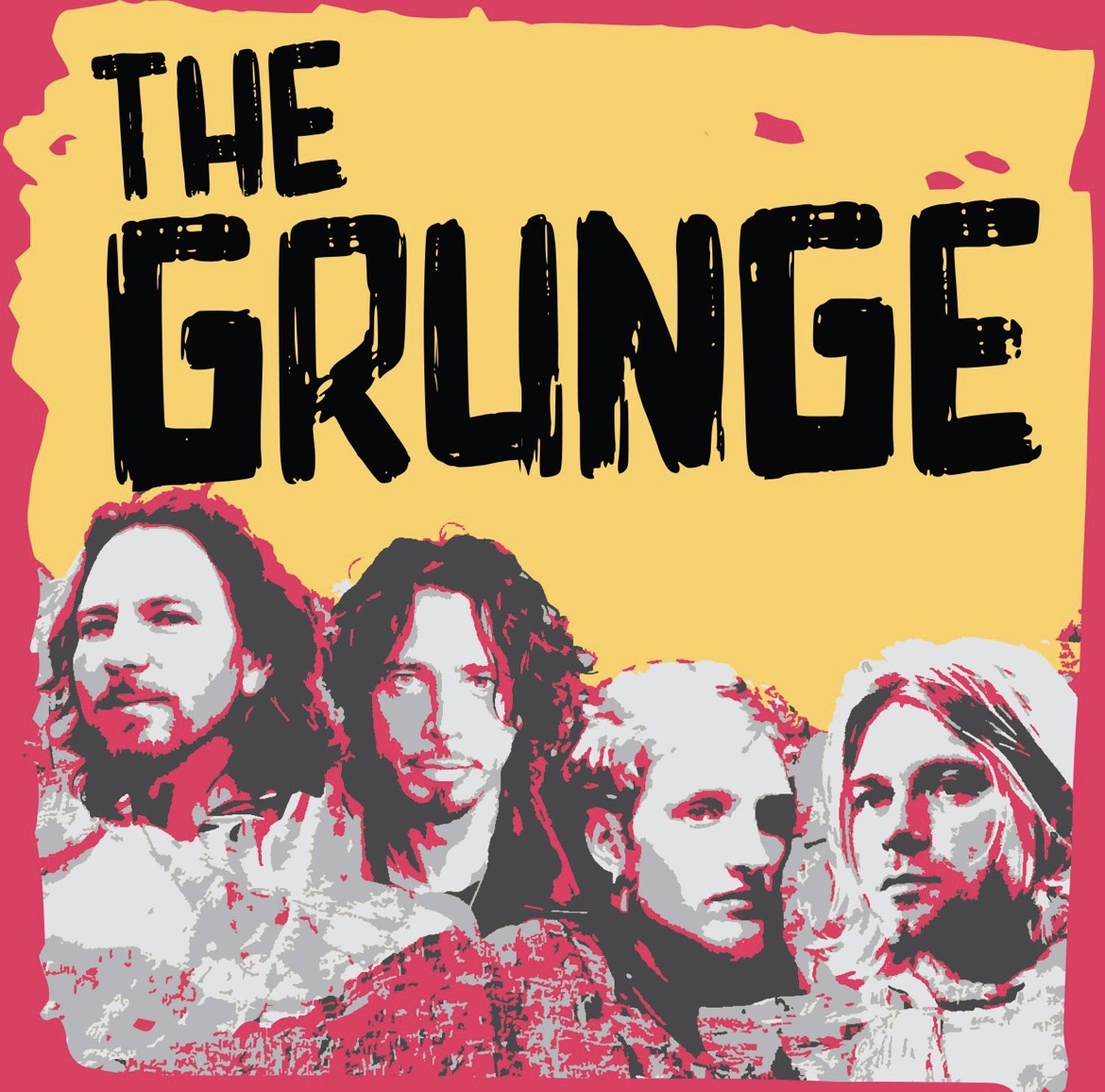
Rock music has gone through many eras that fans fiercely defend—classic rock loyalists swear by the late ’60s and ’70s, metal heads will die on the hill of the ’80s, and indie kids still champion the 2000s garage revival. But when the dust settles, one era stands above the rest for its honesty, cultural impact, and raw musical power: grunge.
Grunge wasn’t just a sound. It was a mood, a rejection, a mirror held up to a generation—and for all those reasons, it may well be the greatest era rock music ever produced, with two very close seconds.
Where Grunge Came From: Rain, Rust, and Rebellion
Grunge was born in the Pacific Northwest, primarily Seattle, Washington, in the mid-to-late 1980s. This wasn’t Los Angeles glam or New York art-rock polish. Seattle was isolated, gray, rainy, working-class, and far from the industry spotlight. That isolation mattered. Bands weren’t chasing trends—they were reacting to life.
Musically, grunge grew out of punk’s aggression, metal’s heaviness, and classic rock’s songwriting, but stripped of ego and theatrics. Labels like Sub Pop helped crystallize the sound, pushing bands that sounded dirty, loud, emotional, and unapologetically flawed.
By the time the early ’90s hit, grunge was ready to explode.
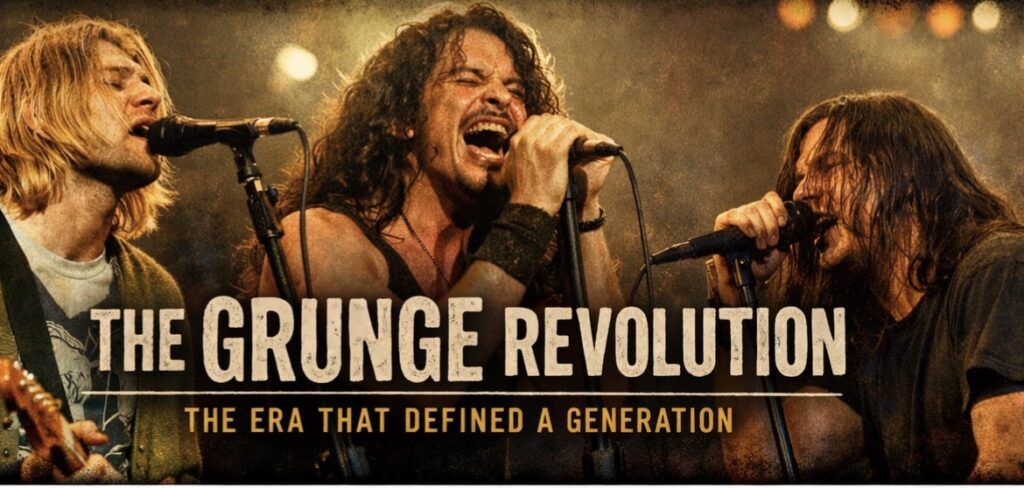
The Sound: Heavy, Melodic, and Uncomfortable (in the Best Way)
Grunge guitars were thick and distorted, often tuned down for extra weight. Drums were thunderous but human. Vocals weren’t about perfection—they were about truth. Singing could turn into shouting, whispering, or breaking entirely.
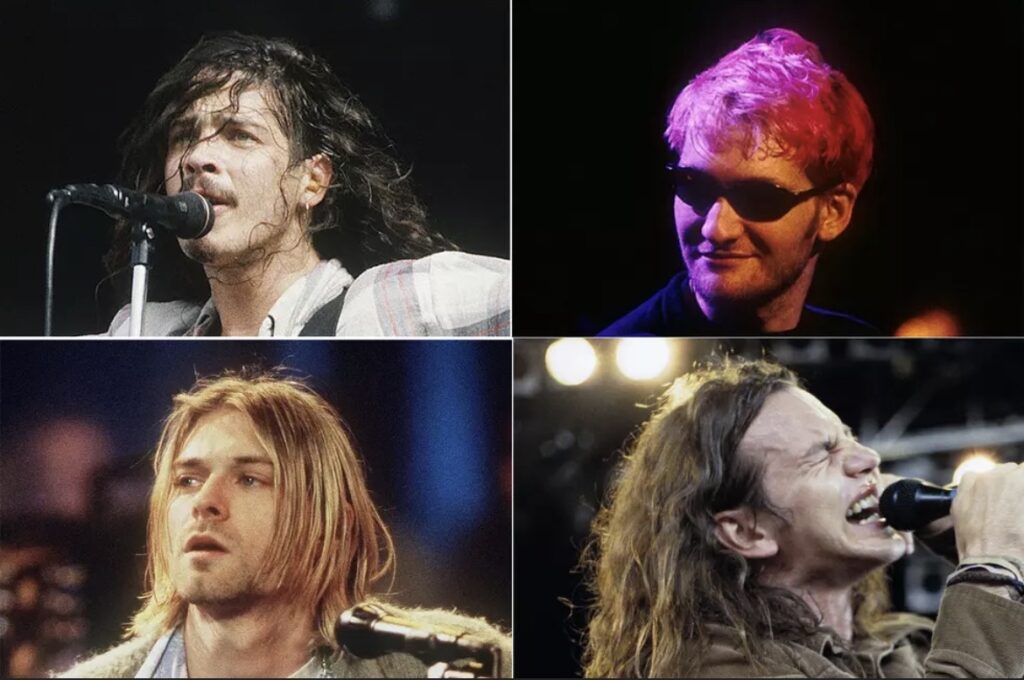
Bands like Nirvana, Pearl Jam, Soundgarden, and Alice in Chains each carved out distinct identities:
- Nirvana fused punk simplicity with pop instinct, detonating mainstream rock with Nevermind.
- Pearl Jam leaned into classic rock structures and emotional storytelling.
- Soundgarden experimented with odd time signatures and alternate tunings, making grunge cerebral and heavy.
- Alice in Chains brought doom-laden harmonies and darkness that bordered on metal.
Despite their differences, they shared one thing: authenticity. None of this felt manufactured.
Style as Anti-Style
Grunge didn’t dress to impress. In fact, it dressed to reject the idea of impressing anyone at all. Flannel shirts, ripped jeans, thrift-store sweaters, combat boots—this wasn’t a costume, it was just what people wore in a cold, broke city.
Ironically, this anti-fashion stance became fashion itself. Designers tried to replicate it. They failed—because grunge style only worked when it wasn’t trying.
How Grunge Changed Everything
Grunge didn’t just influence rock—it reset the entire music industry.
Overnight, hair metal vanished. Bands that relied on image over substance were exposed. Lyrics shifted away from partying and excess toward alienation, depression, self-doubt, addiction, and meaning. It gave a voice to people who didn’t feel represented by glossy pop culture.
Grunge also paved the way for alternative rock, post-grunge, emo, and even modern indie scenes. Without grunge, the emotional honesty of later rock simply doesn’t exist.
Why Grunge Might Be the Best Rock Era Ever
Here’s the argument: grunge hit the perfect balance.
- It had the musicianship and weight of classic rock.
- The attitude and danger of punk.
- The emotional depth that later eras would chase but rarely match.
- And crucially, it happened before digital overproduction flattened everything.
Grunge bands didn’t chase hits—they stumbled into them. That’s rare. That’s powerful.
The Two Close Seconds
If grunge is the champion, the runners-up deserve respect.
Second Place: Late ’60s–’70s Classic Rock
This era gave us the blueprint—The Beatles, Zeppelin, Hendrix, Pink Floyd. The innovation was unmatched. But by the end, excess crept in. Grunge cut through that excess like a blade.
Third Place: Early Punk (Late ’70s–Early ’80s)
Punk was necessary and revolutionary. It burned fast and bright. But grunge took punk’s honesty and gave it room to breathe, adding melody and complexity without losing the soul.
The Legacy That Refuses to Fade
Grunge burned intensely and briefly, but its influence still echoes. New bands still chase that rawness. Fans still wear the flannel. Songs from that era still feel alive.
In a world increasingly polished, filtered, and algorithm-driven, grunge remains a reminder that rock music is at its best when it’s imperfect, emotional, and real.
Rock music has gone through many eras that fans fiercely defend—classic rock loyalists swear by the late ’60s and ’70s, metal heads will die on the hill of the ’80s, and indie kids still champion the 2000s garage revival. But when the dust settles, one era stands above the rest for its honesty, cultural impact, and raw musical power: grunge.
Grunge wasn’t just a sound. It was a mood, a rejection, a mirror held up to a generation—and for all those reasons, it may well be the greatest era rock music ever produced, with two very close seconds.
Where Grunge Came From: Rain, Rust, and Rebellion
Grunge was born in the Pacific Northwest, primarily Seattle, Washington, in the mid-to-late 1980s. This wasn’t Los Angeles glam or New York art-rock polish. Seattle was isolated, gray, rainy, working-class, and far from the industry spotlight. That isolation mattered. Bands weren’t chasing trends—they were reacting to life.
Musically, grunge grew out of punk’s aggression, metal’s heaviness, and classic rock’s songwriting, but stripped of ego and theatrics. Labels like Sub Pop helped crystallize the sound, pushing bands that sounded dirty, loud, emotional, and unapologetically flawed.
By the time the early ’90s hit, grunge was ready to explode.
The Sound: Heavy, Melodic, and Uncomfortable (in the Best Way)
Grunge guitars were thick and distorted, often tuned down for extra weight. Drums were thunderous but human. Vocals weren’t about perfection—they were about truth. Singing could turn into shouting, whispering, or breaking entirely.
Bands like Nirvana, Pearl Jam, Soundgarden, and Alice in Chains each carved out distinct identities:
- Nirvana fused punk simplicity with pop instinct, detonating mainstream rock with Nevermind.
- Pearl Jam leaned into classic rock structures and emotional storytelling.
- Soundgarden experimented with odd time signatures and alternate tunings, making grunge cerebral and heavy.
- Alice in Chains brought doom-laden harmonies and darkness that bordered on metal.
Despite their differences, they shared one thing: authenticity. None of this felt manufactured.
Style as Anti-Style
Grunge didn’t dress to impress. In fact, it dressed to reject the idea of impressing anyone at all. Flannel shirts, ripped jeans, thrift-store sweaters, combat boots—this wasn’t a costume, it was just what people wore in a cold, broke city.
Ironically, this anti-fashion stance became fashion itself. Designers tried to replicate it. They failed—because grunge style only worked when it wasn’t trying.
How Grunge Changed Everything
Grunge didn’t just influence rock—it reset the entire music industry.
Overnight, hair metal vanished. Bands that relied on image over substance were exposed. Lyrics shifted away from partying and excess toward alienation, depression, self-doubt, addiction, and meaning. It gave a voice to people who didn’t feel represented by glossy pop culture.
Grunge also paved the way for alternative rock, post-grunge, emo, and even modern indie scenes. Without grunge, the emotional honesty of later rock simply doesn’t exist.
Why Grunge Might Be the Best Rock Era Ever
Here’s the argument: grunge hit the perfect balance.
- It had the musicianship and weight of classic rock.
- The attitude and danger of punk.
- The emotional depth that later eras would chase but rarely match.
- And crucially, it happened before digital overproduction flattened everything.
Grunge bands didn’t chase hits—they stumbled into them. That’s rare. That’s powerful.
The Two Close Seconds
If grunge is the champion, the runners-up deserve respect.
Second Place: Late ’60s–’70s Classic Rock
This era gave us the blueprint—The Beatles, Zeppelin, Hendrix, Pink Floyd. The innovation was unmatched. But by the end, excess crept in. Grunge cut through that excess like a blade.
Third Place: Early Punk (Late ’70s–Early ’80s)
Punk was necessary and revolutionary. It burned fast and bright. But grunge took punk’s honesty and gave it room to breathe, adding melody and complexity without losing the soul.
The Legacy That Refuses to Fade
Grunge burned intensely and briefly, but its influence still echoes. New bands still chase that rawness. Fans still wear the flannel. Songs from that era still feel alive.
In a world increasingly polished, filtered, and algorithm-driven, grunge remains a reminder that rock music is at its best when it’s imperfect, emotional, and real.









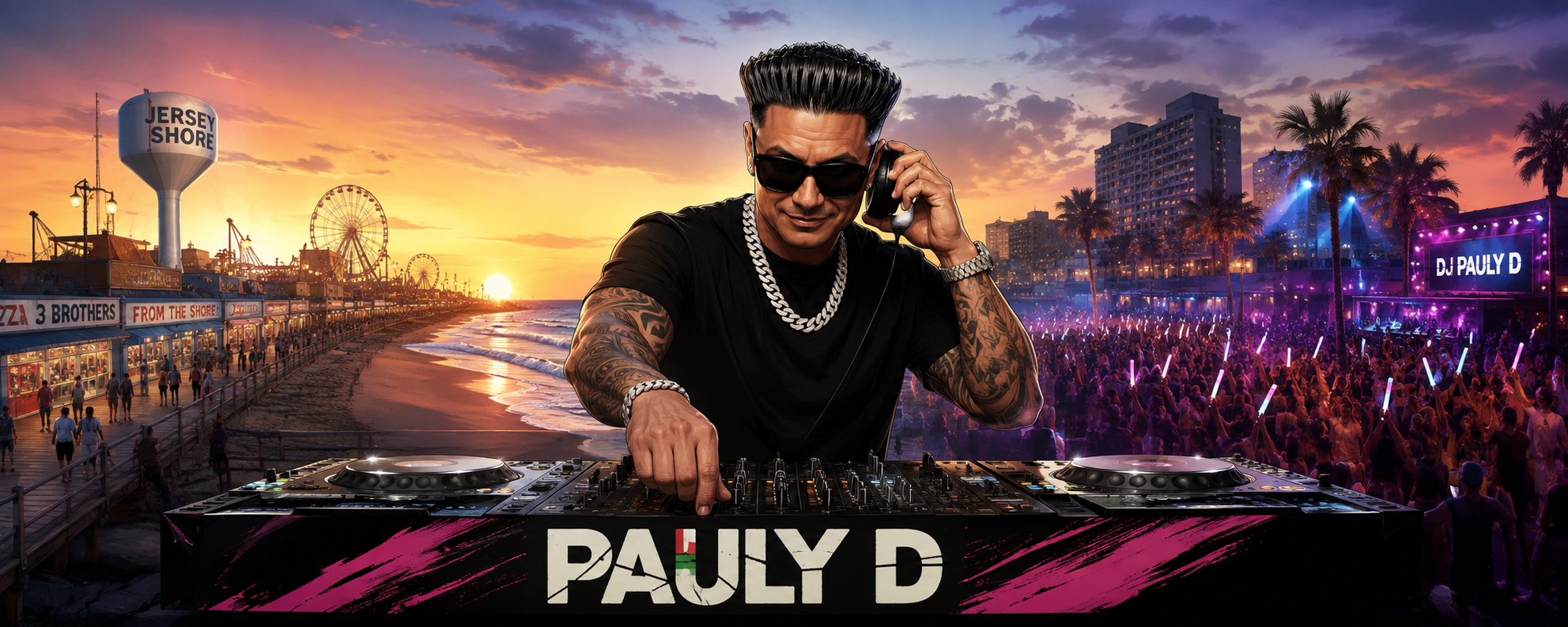
Pauly D figured out something most reality stars never do. He didn’t run from the show that made him. He took the party with him.
More than 15 years after MTV introduced the world to Paul “DJ Pauly D” DelVecchio and that unforgettable blowout, the Rhode Island native is still one of the most recognizable faces from Jersey Shore. What sets him apart is that the fame didn’t turn into a punchline or a cautionary tale. It turned into a real touring career that shows no signs of slowing down in 2026.
The Party Never Stopped
In a recent interview, Pauly described his live shows the only way that makes sense: one giant party. Coming from him, that’s not surprising. What’s impressive is that people are still lining up for it.
He’s currently working clubs and venues across the country—Las Vegas, Boise, Salt Lake City, and more—with a New York date locked in for October 9 at The Rooftop at Pier 17. He doesn’t just show up with a fixed playlist and hit play. He reads the room and adjusts in real time. That ability separates the guys who had a moment from the ones who can still hold a crowd years later.
Reality TV got him in the door. The rest has been pure entertainment.
From Catchphrase to Career
When Jersey Shore hit in 2009, few would have bet on which cast members would still be working nearly two decades later. Pauly had an advantage most of them didn’t: he was already a DJ. The show didn’t invent a career for him—it amplified the one he already had. The larger-than-life energy, the crowd sense, the willingness to lean into the chaos all translated cleanly from the house to the booth.
The joke became the brand. The brand became a business.
Today he still appears on Jersey Shore: Family Vacation while keeping a steady DJ schedule and releasing new music, including the 2026 single “Lost” with Capri Everitt. More tracks are on the way. That’s a long runway for something that could have easily faded into a very specific piece of late-2000s nostalgia.
Still Jersey, Even in Vegas
Yes, he was born in Rhode Island. The letters can stay in the drawer.
Jersey Shore permanently linked Pauly, Snooki, The Situation and the rest of them to a particular version of Shore culture—exaggerated, loud, and impossible to ignore. Whether people from New Jersey loved it or hated it, the rest of the world met that version through the cast. Pauly understood the assignment better than most. He never tried to distance himself from the character audiences connected with. He owned it, laughed with it, and kept moving without rewriting the past.
There’s a clean simplicity to that approach.
One Big Party
Pauly is 46. The hair still holds. The crowds still show up. The booth isn’t going anywhere.
His path offers a quiet lesson about sudden fame. Getting through the door is one thing. Staying relevant after the cameras leave requires giving people something they’re still willing to pay for. Pauly found his thing—or maybe it was always his thing.
A lot has changed since those early summers on the Shore. His basic deal with the audience hasn’t:
Show up. Turn the music up. Have a good time.
Sometimes the simplest model is the one that lasts.

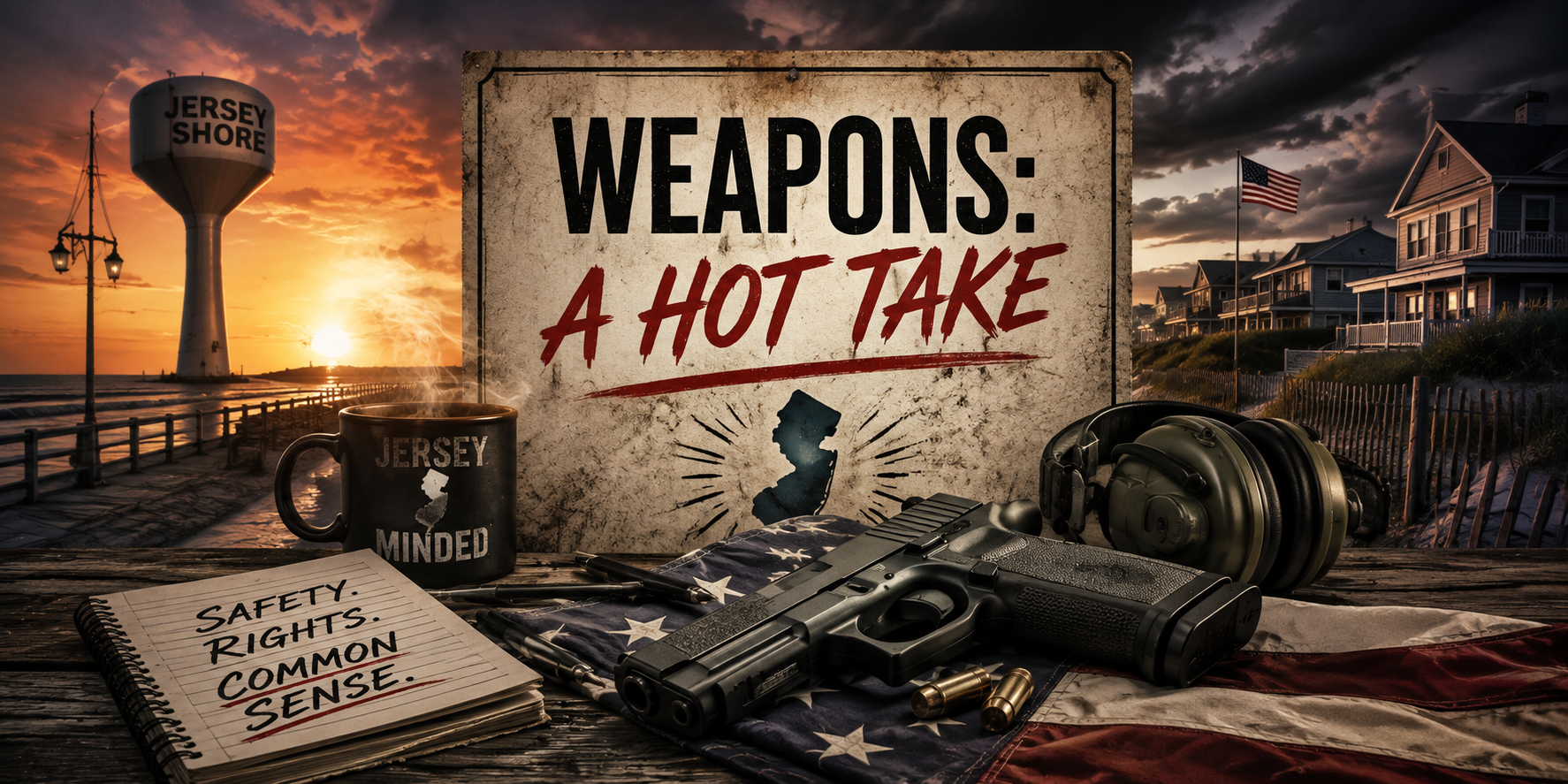
WEAPONS, directed by Zach Cregger, is a film heavily layered in unspoken mythology. When all but one child go missing from a classroom in a small town. Starring Amy Marian, Josh Brolin, and Julia Garner.
While I did enjoy the film itself, I think it has been put into the wrong category. Let me explain. Yes, it was a good film. The pacing was spectacular, not giving away too much overlapping information but filling holes precisely when needed so that we as the audience felt like we were uncovering the truth alongside the characters. Even though we knew from the beginning.
No one needs a wig that red with bangs that short. But I digress.
The ‘mythology’ in the film was great as well. The antagonist wasn’t overpowered with their ability to use magic in a world not accustomed to it. Personally, I enjoy when there’s a catch to everything. And we got to see that catch be the downfall of the villain. Aunt Gladys, played by Amy Marian. And while she was scary in her own right, it wasn’t like Alien. Where the mere sight of the monster sends chills down your spine.
No. Weapons is one that has you wondering. Fearing. That if you encounter the wrath of a witch like our antagonist, would you survive? If your child was taken, how calm would you be? And would you think through every single one of your actions before you do it? I think not.
It’s these things that make Weapons so suspenseful and such a great film. But I don’t think it’s been accurately categorized in horror/mystery and should instead be in thriller.
Because it is no mystery what happened, and while yes, there are a few jump scares, it is not what I would consider a classic horror film. Even in an age of change for the film industry, we need to stay true to the basic categorization. But what do I know? I’m just a guy who likes movies.

Sea.Hear.Now Is Sold Out. Here’s What Asbury Park Is Getting Next Weekend

Boots on BroadWalk: Red Bank Closes Labor Day With Line Dancing

Labor Day Weekend Isn’t Over: 5 Things to Do in Monmouth County Sunday and Monday

From the Jersey Shore to the DJ Booth: Pauly D Is Still Having One Big Party

Is the Jersey Shore Becoming Too Expensive for the Families Who Built It?
Labor Day Weekend Isn’t Over: 5 Things to Do in Monmouth County Sunday and Monday
Boots on BroadWalk: Red Bank Closes Labor Day With Line Dancing
Sea.Hear.Now Is Sold Out. Here’s What Asbury Park Is Getting Next Weekend

The Captive: A Chilling Thriller About the Fight to Protect the Innocent

Alice In Chains

Tucker Carlson

Solo Mio Behind the Scenes (BTS)

NJ Film Expo 2025: A Breakout Moment for New Jersey’s Filmmaking Future

-

 Celebrity9 months ago
New Jersey Fame Wall
-

 Beaches & Towns6 months ago
Shore Towns Begin Early Safety Planning Ahead of Summer 2026 Crowds
-

 Beaches & Towns4 months ago
Great White Shark Sightings Spark Early Summer Conversation Along the Jersey Coast
-

 Beaches & Towns7 months ago
Breadsticks Cafe & Grill: A Cheerful Breakfast Spot with Ocean Views
-

 Entertainment8 months ago
Playwright & Filmmaker Tom Cavanaugh Named Finalist for 2026 TASTE Awards Following Recognition in Asbury Park
-

 Celebrity6 months ago
Southside Johnny: The Grandfather of the New Jersey Sound
-

 Features5 months ago
Il Leone: A Refined Italian Experience Rooted in Family, Fire, and Flavor in Matawan
-
 Entertainment7 months ago
Alice In Chains