

Editorial
Happy Easter: The Day That Changed Everything: No Matter the Day It Happened











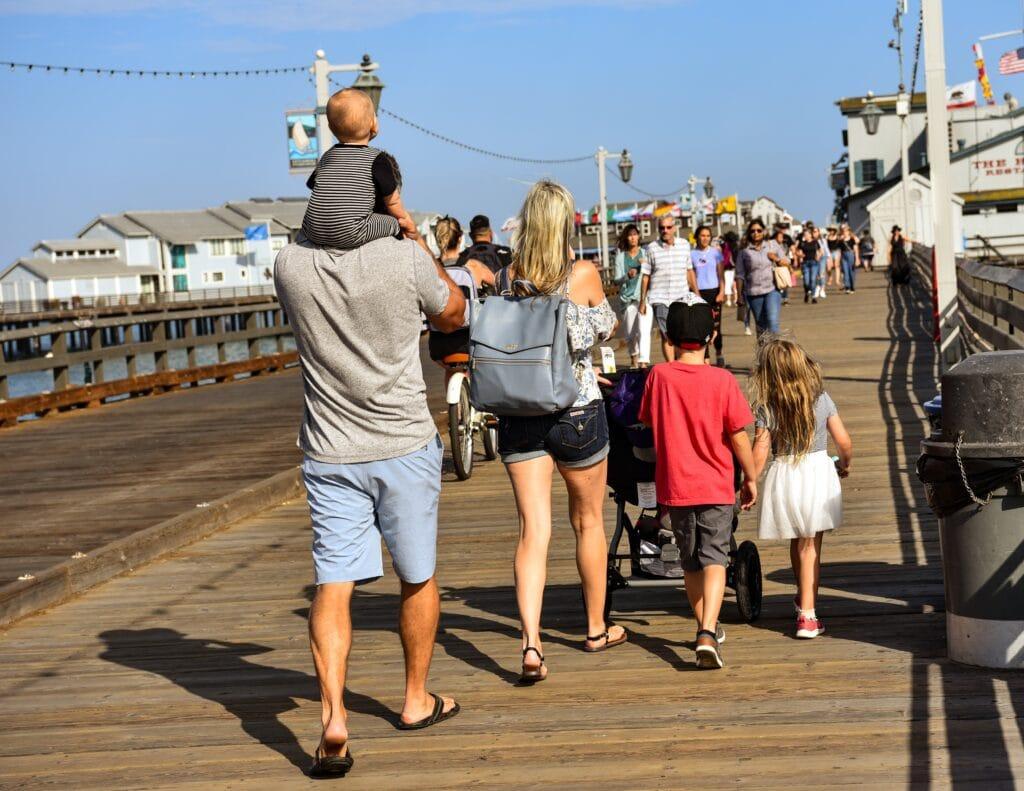

Next year, America will celebrate its 250th birthday.
For a nation that has weathered wars, economic depressions, scientific breakthroughs, and generations of change, the milestone offers more than fireworks and parades. It presents an opportunity to pause and ask an important question:
What kind of country are we leaving to the next generation?
Much has been written about the “Greatest Generation,” those Americans who endured the Great Depression, fought in World War II, returned home, built businesses, raised families, and helped create decades of prosperity. Their legacy can still be seen in our highways, neighborhoods, schools, churches, and small businesses.
But every generation faces challenges unique to its own time.
Today’s Americans are navigating rising housing costs, changing technology, an evolving job market, and economic uncertainty. Many families have relied on some form of temporary assistance at different points in their lives, whether through unemployment benefits, disaster relief, food assistance, veterans’ programs, scholarships, or help from local charities. There should be no shame in accepting help when life takes an unexpected turn. Communities are often strongest when neighbors lift one another up during difficult seasons.
The larger question is what comes next.
How do we create a society that not only helps people through hardship but also encourages opportunity, independence, and long-term success? That conversation deserves thoughtful discussion, not political slogans. Families remain the first place where values are taught. Parents and grandparents often pass down lessons about responsibility, perseverance, generosity, and service long before children enter a classroom. Churches, synagogues, mosques, and other faith communities continue serving millions through food pantries, mentoring programs, counseling, addiction recovery, and volunteer outreach. These institutions frequently meet needs that government programs alone cannot address. Teachers, coaches, employers, and local business owners also play important roles. A first job, a trusted mentor, or someone willing to take a chance on a young worker can change the course of a life. Small businesses, in particular, have long been engines of opportunity in communities across New Jersey. They don’t simply create jobs. They teach skills, build confidence, and provide stepping stones for future entrepreneurs.
Self-reliance and compassion do not have to compete with one another. A healthy society can value both. Helping a struggling neighbor while encouraging personal growth is not a contradiction. It is often how strong communities have always operated. As America approaches its semiquincentennial, perhaps the greatest tribute we can pay to previous generations is not simply remembering what they built. It is continuing the work. That work may look different today than it did in 1946 or 1976. It may involve new technologies, different careers, and changing economic realities. But the principles that have strengthened communities for generations remain remarkably familiar: hard work, personal responsibility, strong families, engaged neighborhoods, and people willing to invest in one another.
The next 250 years of American history will not be written by governments alone.
They will be written by parents raising children with character, teachers inspiring curiosity, employers opening doors, volunteers serving quietly, entrepreneurs taking risks, and neighbors helping neighbors when life becomes difficult.
History remembers the generations that build.
The question now is whether ours will be remembered as one of them.

Every summer, the Jersey Shore becomes a stage.
From the boardwalks of Belmar and Point Pleasant to the sidewalks of Spring Lake and Sea Girt, people step back into a tradition that is as much a part of Shore culture as salt air and ice cream cones: dressing well for summer.
Not flashy.
Not loud.
Not driven by whatever trend appeared online last week.
Instead, the Shore’s most enduring style remains rooted in something timeless: classic American coastal fashion blended with generations of European influence.
The Formula Hasn’t Changed
For men, the look is remarkably simple:
- Linen shirts
- Lightweight chinos
- Tailored shorts
- Polo shirts
- Crisp button-downs
- Loafers and boat shoes
Navy, white, khaki, and soft coastal colors continue to dominate because they simply work.
They look clean. They age well. They never feel out of place.
The most stylish people at the Shore are often the ones who appear to be trying the least.
Effortless Never Goes Out of Style
A white linen shirt.
A pair of loafers.
A lightweight navy sport coat for dinner.
These pieces have survived decades because they never truly go out of fashion.
For women, the same philosophy applies.
Flowing summer dresses, tasteful patterns, natural fabrics, and timeless silhouettes continue to define Shore elegance. Whether it’s dinner overlooking the water or an evening stroll along the boardwalk, the look remains polished without feeling formal.
A Tradition Passed Down Through Generations
Part of what makes Jersey Shore style unique is its cultural foundation.
Many Shore communities were built by families whose roots trace back to Italy, Ireland, Germany, Poland, and other parts of Europe. Along with recipes and traditions came a belief that presentation mattered.
Dressing well wasn’t about showing off.
It was about self-respect.
You can still see that mindset today.
Grandparents, parents, and grandchildren may wear different brands, but they often share the same appreciation for quality, fit, and timeless style.
Why It Still Works
Fashion trends come and go.
Social media constantly declares a new must-have item.
Yet every summer, the classic look returns.
Clean lines.
Quality materials.
Confidence without excess.
As outdoor dining patios fill, live music drifts through beach towns, and families gather for evenings on the boardwalk, the Shore naturally encourages people to put a little more thought into how they present themselves.
Not because they have to.
Because they want to.
The Jersey Shore Look for 2026
This summer, the winning formula remains the same:
✔ Linen over logos
✔ Fit over flash
✔ Timeless over trendy
✔ Quality over quantity
Some traditions survive because they work.
At the Jersey Shore, classic style remains one of them.

Sea.Hear.Now Is Sold Out. Here’s What Asbury Park Is Getting Next Weekend

Boots on BroadWalk: Red Bank Closes Labor Day With Line Dancing

Labor Day Weekend Isn’t Over: 5 Things to Do in Monmouth County Sunday and Monday

From the Jersey Shore to the DJ Booth: Pauly D Is Still Having One Big Party

Is the Jersey Shore Becoming Too Expensive for the Families Who Built It?
Labor Day Weekend Isn’t Over: 5 Things to Do in Monmouth County Sunday and Monday
From the Jersey Shore to the DJ Booth: Pauly D Is Still Having One Big Party
Boots on BroadWalk: Red Bank Closes Labor Day With Line Dancing
Sea.Hear.Now Is Sold Out. Here’s What Asbury Park Is Getting Next Weekend

The Captive: A Chilling Thriller About the Fight to Protect the Innocent

Alice In Chains

Tucker Carlson

Solo Mio Behind the Scenes (BTS)

NJ Film Expo 2025: A Breakout Moment for New Jersey’s Filmmaking Future

-
 Celebrity9 months ago
New Jersey Fame Wall
-

 Beaches & Towns6 months ago
Shore Towns Begin Early Safety Planning Ahead of Summer 2026 Crowds
-

 Beaches & Towns4 months ago
Great White Shark Sightings Spark Early Summer Conversation Along the Jersey Coast
-

 Beaches & Towns7 months ago
Breadsticks Cafe & Grill: A Cheerful Breakfast Spot with Ocean Views
-

 Entertainment7 months ago
Playwright & Filmmaker Tom Cavanaugh Named Finalist for 2026 TASTE Awards Following Recognition in Asbury Park
-

 Celebrity5 months ago
Southside Johnny: The Grandfather of the New Jersey Sound
-

 Features5 months ago
Il Leone: A Refined Italian Experience Rooted in Family, Fire, and Flavor in Matawan
-
 Entertainment7 months ago
Alice In Chains