

Celebrity
Robert Duvall, Oscar-Winning Actor and Master of American Character, Dies at 95
Robert Duvall didn’t just act, he listened. He listened to a scene the way a great musician listens for the pocket, then slipped into it so naturally you’d swear the camera simply caught a real man mid-life. Today, that rare kind of presence leaves the world: Duvall has died at 95, peacefully at home in Middleburg, Virginia, with his wife Luciana by his side.

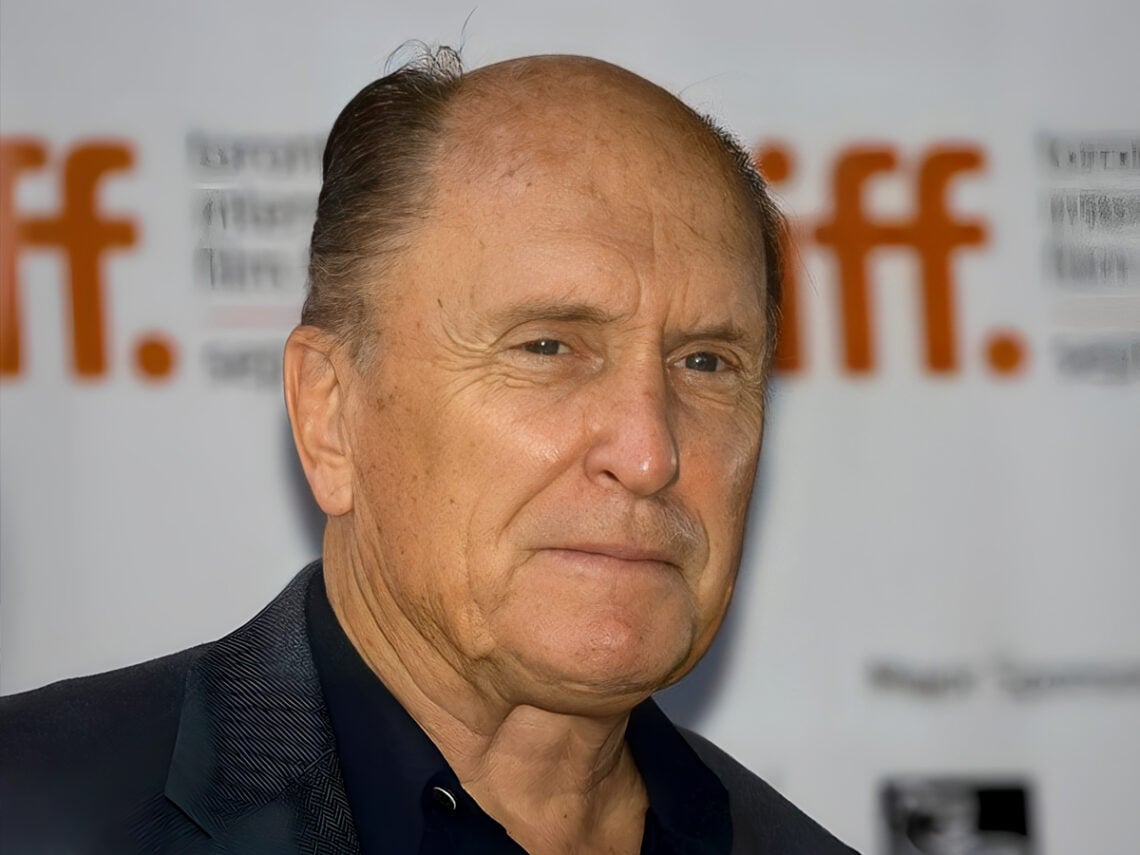
Robert Duvall didn’t just act, he listened. He listened to a scene the way a great musician listens for the pocket, then slipped into it so naturally you’d swear the camera simply caught a real man mid-life. Today, that rare kind of presence leaves the world: Duvall has died at 95, peacefully at home in Middleburg, Virginia, with his wife Luciana by his side.
He was born January 5, 1931, in San Diego, Navy family, moving with the rhythms of duty and distance, the kind of upbringing that can make you observant by necessity. That background mattered, not as trivia, but as texture: Duvall had a lifelong gift for men who carried authority and weariness in the same breath—leaders, lifers, fighters, and faithful strivers whose words didn’t always tell you what their eyes already had.
His career stretched across seven decades, and yet it’s hard to think of him as “a star” in the usual way. Stars often announce themselves. Duvall did something braver: he disappeared. Think of Tom Hagen in The Godfather—the consigliere with the calm voice and the heavy job, the man who could translate rage into strategy without raising his volume. Or Lt. Col. Kilgore in Apocalypse Now, all swagger and sunburnt myth, a character so outsized he became cultural shorthand, yet Duvall still grounded him with a soldier’s specificity, as if he’d met that guy in real life and never forgotten him.
If you want the purest evidence of his greatness, though, look at the performances that don’t flex. Boo Radley, nearly silent, almost spectral, but unforgettable. Years later, Alec Baldwin would remember that quiet power and the way Duvall could dominate a film without demanding it. It takes a particular kind of confidence to underplay a moment that lesser actors would decorate. Duvall trusted the audience. He trusted the truth.
And then there’s Tender Mercies, the role that earned him the Academy Award for Best Actor in 1984. Mac Sledge isn’t a man on a victory lap. He’s scraped raw by life, trying to live forward anyway. Duvall played him with a humility that felt almost radical: not a performance trying to be admired, but a human being trying to be better.
That theme, “hard grace,” ran through the work. In The Apostle, Duvall didn’t just star; he wrote and directed, too, pouring something personal into a story about faith, failure, and the stubborn hope of redemption. Even people who didn’t share the character’s beliefs could recognize the heartbeat: the longing to be forgiven, the urge to build something holy out of what’s broken.
Off-screen, the details people keep repeating today aren’t the flashy ones. They’re the human ones. The way he prepared, meticulously, like craft mattered. The way he stayed curious, about character, about movement, about art forms beyond Hollywood. He loved tango enough to make it a chapter of his creative life, culminating in a film built around that passion. That’s not a celebrity hobby; that’s a person still learning, still reaching.
And look at the range,
because “versatile” is too small a word for what he did. In one lifetime he could be a quietly effective corporate attorney, a grizzled cattleman, a Cuban barber, a tobacco-company kingpin, a general, a judge, a preacher, a fixer. The connective tissue wasn’t plot or genre. It was that Duvall always found the private weather inside the man.
Today’s tributes keep circling back to the same point: he made other actors better. Adam Sandler, who worked with him late in Duvall’s career, called him one of the greatest, and spoke with real affection about the joy of being around him. That matters, because it’s easy to respect greatness from a distance. It’s rarer to miss the person.
Luciana’s words—shared as the world began to absorb the news—cut through everything: the simplicity of a wife naming what a life meant to her, and what a home felt like with him in it. In the end, for all the iconic roles and awards, that’s the final close-up: a man loved, fully, not as an image but as a presence.
Robert Duvall leaves behind a library of performances—whole shelves of American cinema that would be thinner, weaker, less honest without him. But his truest legacy might be quieter: he reminded us that the smallest choices—a pause, a glance, a breath held back—can tell the biggest truths. He made room for humanity on screen, and he did it so well that we mistook it for life itself.
Rest easy, Bob. And thank you—for the dignity, the fire, the tenderness, and the craft.









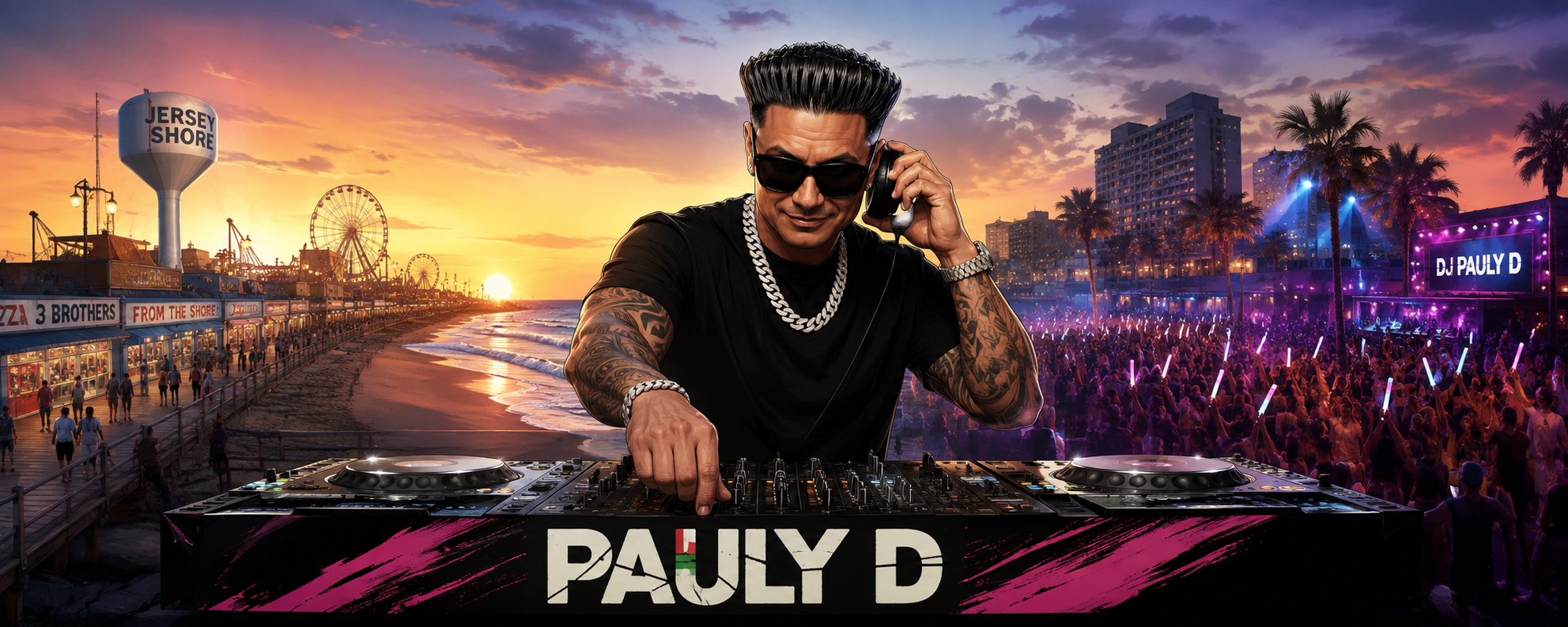
Pauly D figured out something most reality stars never do. He didn’t run from the show that made him. He took the party with him.
More than 15 years after MTV introduced the world to Paul “DJ Pauly D” DelVecchio and that unforgettable blowout, the Rhode Island native is still one of the most recognizable faces from Jersey Shore. What sets him apart is that the fame didn’t turn into a punchline or a cautionary tale. It turned into a real touring career that shows no signs of slowing down in 2026.
The Party Never Stopped
In a recent interview, Pauly described his live shows the only way that makes sense: one giant party. Coming from him, that’s not surprising. What’s impressive is that people are still lining up for it.
He’s currently working clubs and venues across the country—Las Vegas, Boise, Salt Lake City, and more—with a New York date locked in for October 9 at The Rooftop at Pier 17. He doesn’t just show up with a fixed playlist and hit play. He reads the room and adjusts in real time. That ability separates the guys who had a moment from the ones who can still hold a crowd years later.
Reality TV got him in the door. The rest has been pure entertainment.
From Catchphrase to Career
When Jersey Shore hit in 2009, few would have bet on which cast members would still be working nearly two decades later. Pauly had an advantage most of them didn’t: he was already a DJ. The show didn’t invent a career for him—it amplified the one he already had. The larger-than-life energy, the crowd sense, the willingness to lean into the chaos all translated cleanly from the house to the booth.
The joke became the brand. The brand became a business.
Today he still appears on Jersey Shore: Family Vacation while keeping a steady DJ schedule and releasing new music, including the 2026 single “Lost” with Capri Everitt. More tracks are on the way. That’s a long runway for something that could have easily faded into a very specific piece of late-2000s nostalgia.
Still Jersey, Even in Vegas
Yes, he was born in Rhode Island. The letters can stay in the drawer.
Jersey Shore permanently linked Pauly, Snooki, The Situation and the rest of them to a particular version of Shore culture—exaggerated, loud, and impossible to ignore. Whether people from New Jersey loved it or hated it, the rest of the world met that version through the cast. Pauly understood the assignment better than most. He never tried to distance himself from the character audiences connected with. He owned it, laughed with it, and kept moving without rewriting the past.
There’s a clean simplicity to that approach.
One Big Party
Pauly is 46. The hair still holds. The crowds still show up. The booth isn’t going anywhere.
His path offers a quiet lesson about sudden fame. Getting through the door is one thing. Staying relevant after the cameras leave requires giving people something they’re still willing to pay for. Pauly found his thing—or maybe it was always his thing.
A lot has changed since those early summers on the Shore. His basic deal with the audience hasn’t:
Show up. Turn the music up. Have a good time.
Sometimes the simplest model is the one that lasts.
Celebrity
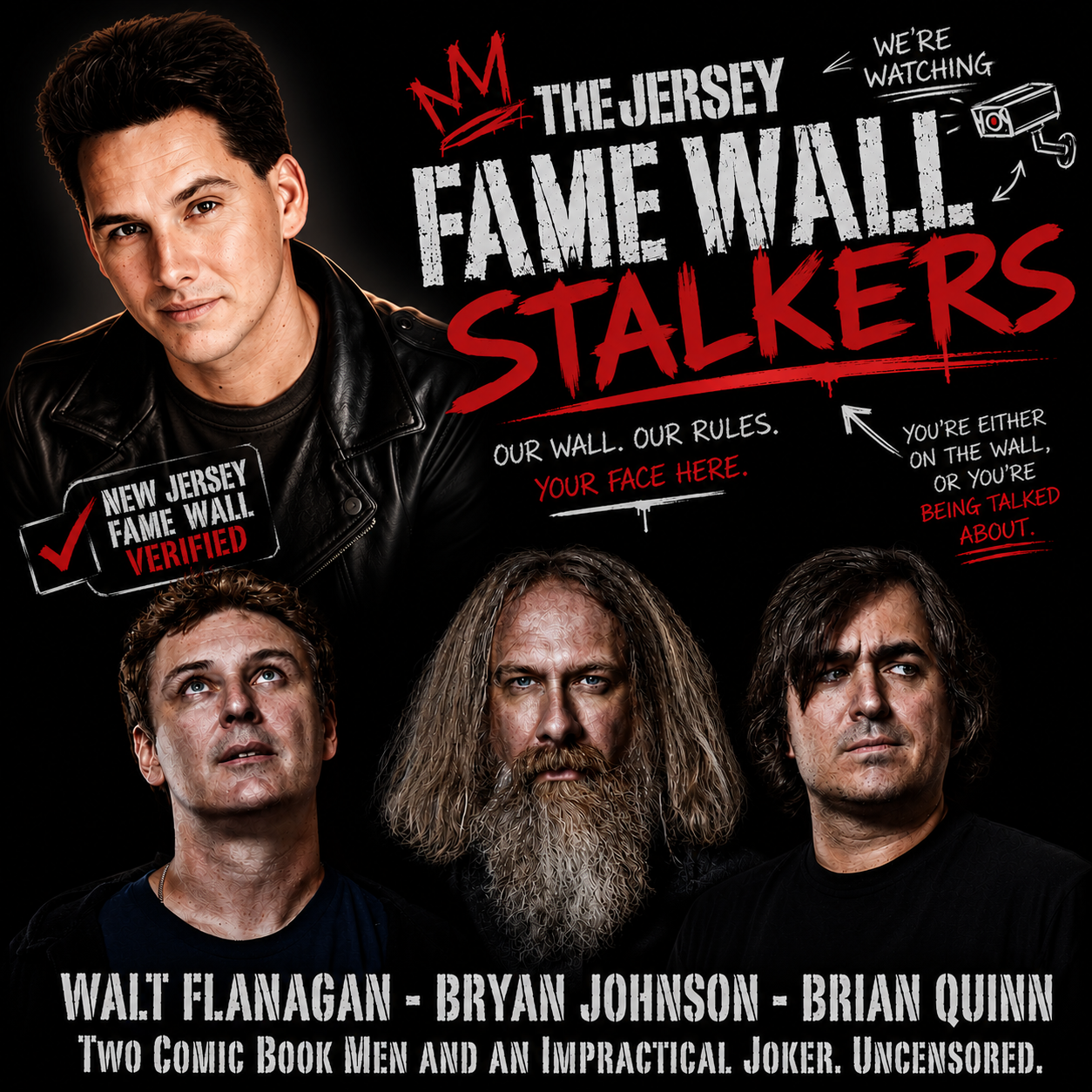
TESD, Q, and the Great NJ Fame Wall Conspiracy: Did They Finally Notice The Jersey Review?



Sea.Hear.Now Is Sold Out. Here’s What Asbury Park Is Getting Next Weekend

Boots on BroadWalk: Red Bank Closes Labor Day With Line Dancing

Labor Day Weekend Isn’t Over: 5 Things to Do in Monmouth County Sunday and Monday

From the Jersey Shore to the DJ Booth: Pauly D Is Still Having One Big Party

Is the Jersey Shore Becoming Too Expensive for the Families Who Built It?

The Captive: A Chilling Thriller About the Fight to Protect the Innocent

Alice In Chains

Tucker Carlson

Solo Mio Behind the Scenes (BTS)

NJ Film Expo 2025: A Breakout Moment for New Jersey’s Filmmaking Future

-
 Celebrity9 months ago
New Jersey Fame Wall
-
 Beaches & Towns6 months ago
Shore Towns Begin Early Safety Planning Ahead of Summer 2026 Crowds
-

 Beaches & Towns5 months ago
Great White Shark Sightings Spark Early Summer Conversation Along the Jersey Coast
-
 Entertainment8 months ago
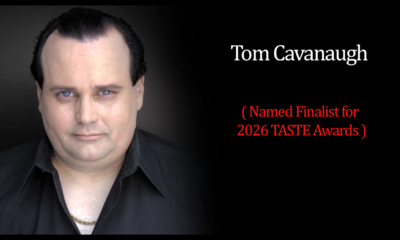
Playwright & Filmmaker Tom Cavanaugh Named Finalist for 2026 TASTE Awards Following Recognition in Asbury Park
-

 Beaches & Towns8 months ago
Breadsticks Cafe & Grill: A Cheerful Breakfast Spot with Ocean Views
-
 Celebrity6 months ago
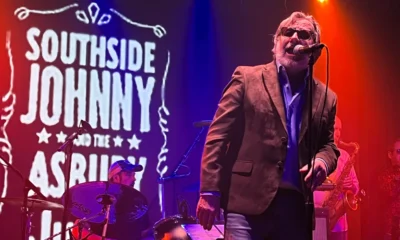
Southside Johnny: The Grandfather of the New Jersey Sound
-

 Features6 months ago
Il Leone: A Refined Italian Experience Rooted in Family, Fire, and Flavor in Matawan
-
 Entertainment8 months ago
Alice In Chains