

Faith
Faith, Politics, and the “Christ Is King” Debate: Why Ted Cruz’s Remarks Sparked a Christian Backlash

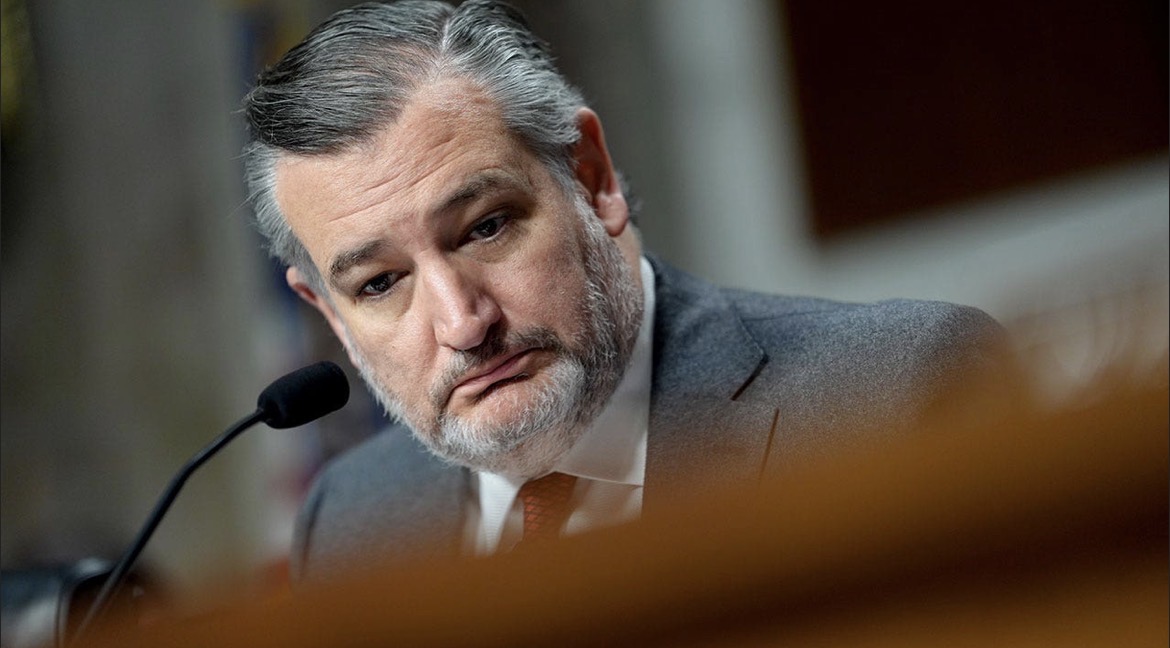
A new controversy has erupted in American political and religious circles after U.S. Senator Ted Cruz suggested that the phrase “Christ is King” is sometimes being used online as a coded attack against Jewish people. His remarks, made during a recent interview with CBN News, have ignited a sharp response from Christians who argue that the statement is a foundational proclamation of their faith and should never be treated as inherently offensive.
In the interview, Cruz expressed concern that the phrase has been appropriated by certain online activists in ways that accompany anti-Jewish rhetoric. According to Cruz, he has seen instances where individuals attacking Jews end their comments with “Christ is King,” attempting to give theological cover to hostility toward Jewish people.
“I agree with the statement ‘Christ is King,’” Cruz said, but argued that in some contexts it is being used online as a signal for anti-Jewish sentiment.
His warning was framed as part of a broader concern about rising antisemitism and tensions within conservative politics and Christian communities. Yet for many believers, the senator’s remarks struck a nerve. They fear that even suggesting the phrase carries hateful implications risks stigmatizing one of Christianity’s most ancient and sacred declarations.
A Central Christian Confession
For centuries, Christians across denominations have proclaimed the kingship of Jesus Christ as a core element of their theology. The phrase “Christ is King” is rooted deeply in Scripture and liturgy.
The New Testament repeatedly affirms Christ’s divine authority. In the Book of Revelation, Jesus is described as “King of kings and Lord of lords.” Philippians 2 teaches that every knee will bow and every tongue confess that Jesus Christ is Lord. Similar declarations appear throughout Christian history in creeds, sermons, and worship traditions.
Many churches also observe Christ the King Sunday, a liturgical celebration affirming Christ’s sovereignty over the world. As a result, countless Christians see the phrase not as a political slogan but as a summary of the gospel itself.
That religious significance is why Cruz’s comments drew pushback from pastors, commentators, and Christian activists who say the statement should never be treated as suspect. For them, the concern is less about the senator’s intention and more about the precedent it could set.
“If a biblical statement begins to be labeled dangerous because of how someone else misuses it,” one evangelical commentator noted in response to the debate, “then nearly any Christian teaching could be subjected to the same accusation.”
A Phrase at the Center of Cultural Conflict
The controversy highlights a larger cultural conflict surrounding religious language in modern politics.
Journalists and researchers have noted that the phrase “Christ is King” has recently appeared in political rallies, online debates, and social media posts. Some observers say extremist groups have attempted to repurpose it as a slogan tied to nationalist or antisemitic rhetoric.
A 2025 analysis from the Network Contagion Research Institute reported that in certain online communities the phrase was occasionally used alongside anti-Jewish memes or conspiracy theories.
At the same time, scholars and religious leaders emphasize that the phrase itself long predates these modern controversies. For most Christians, it remains simply an affirmation of faith.
This tension—between the historical meaning of the phrase and its potential misuse—lies at the heart of the current debate.
Concerns About Religious Expression
Some Christian commentators argue that Cruz’s framing reflects a growing tendency to scrutinize religious speech through a political lens. They worry that statements of Christian doctrine could increasingly be viewed as problematic if someone interprets them in a political context.
From their perspective, the issue is not whether antisemitism exists—it undeniably does—but whether legitimate theological statements should be linked to extremist behavior.
Many Christian leaders stress that Christianity itself rejects hatred toward any people group. The New Testament commands believers to love their neighbors and to pray for all people. At the same time, they maintain that affirming Christ’s universal kingship is central to the faith.
A Call for Clarity and Charity
Ultimately, the controversy illustrates how religious language can become entangled in political debates. Cruz’s comments were intended as a warning about antisemitism, but the reaction from many Christians shows how sensitive believers are to any suggestion that biblical declarations might be treated as coded hate speech.
The path forward likely requires careful distinctions. It is possible to condemn antisemitism unequivocally while also recognizing the legitimate and historic place of Christian doctrine in public discourse.
The phrase “Christ is King” has been spoken by Christians for nearly two thousand years. Whether whispered in prayer, sung in hymns, or proclaimed from pulpits, it has traditionally expressed hope, worship, and allegiance to Christ.
The challenge for today’s divided culture is ensuring that sacred words are not twisted for hatred—and that the faith behind them is not misunderstood in the process.



Editorial
The Silent Epidemic: Why Your Child’s Future Hangs in the Balance:
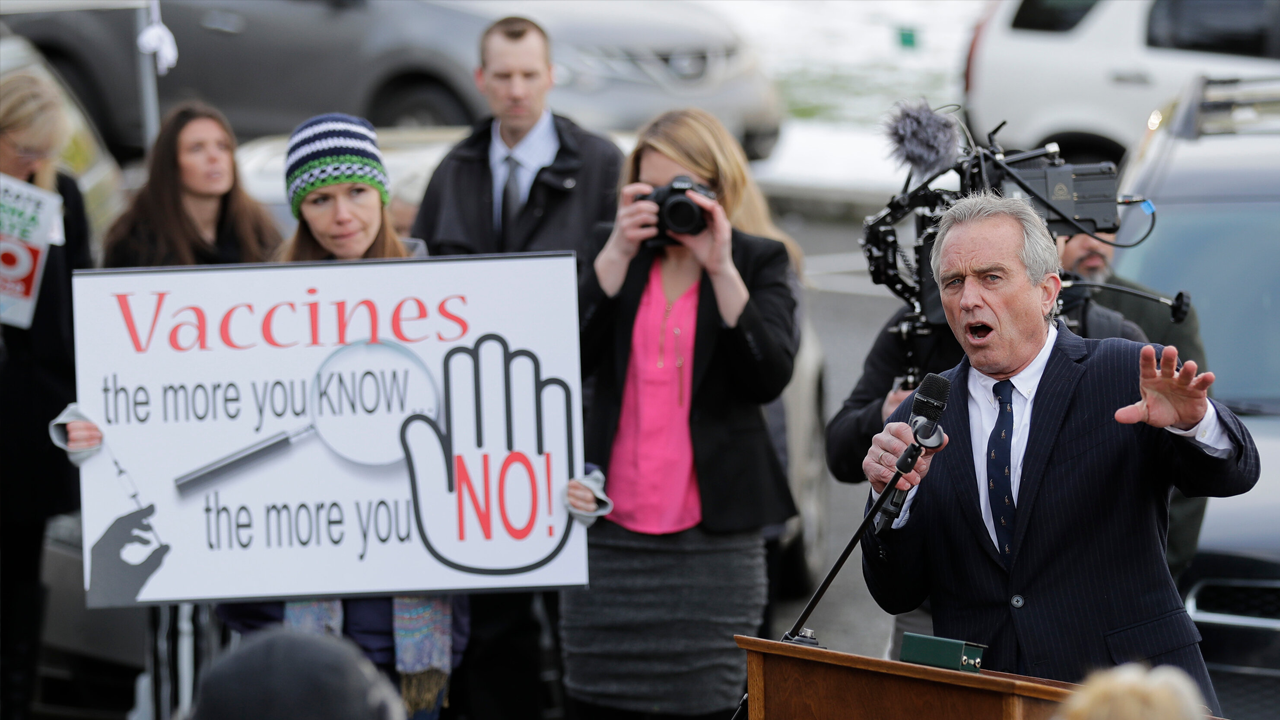
As a seasoned journalist embedded with the trailblazers at Children’s Health Defense (CHD), I’ve witnessed firsthand the relentless pursuit of truth by Robert F. Kennedy Jr. and Dr. Brian Hooker. Their groundbreaking book, Vax-Unvax: Let the Science Speak (Skyhorse Publishing, 2023), isn’t just another opinion piece, it’s a meticulously curated arsenal of over 100 peer-reviewed studies that dare to compare the vaccinated against the unvaccinated. And what these studies reveal? Unvaccinated individuals often emerge healthier, with dramatically lower rates of chronic conditions that plague our society.

And How ‘Vax-Unvax’ Exposes the Truth Big Pharma Buried
Imagine this: You’re watching your child play in the park, full of energy, laughter echoing through the air. But deep down, a nagging doubt creeps in. What if the very things you’ve been told to trust; the shots, the schedules, the assurances from experts, are quietly eroding that vitality? What if the rising tide of autism, allergies, asthma, and unexplained illnesses isn’t just bad luck, but a direct consequence of choices we’ve been pressured to make? You’ve felt it, haven’t you? That quiet unease when you hear another story of a healthy kid suddenly struggling. It’s time to stop ignoring it. It’s time to let the science speak for itself.
As a seasoned journalist embedded with the trailblazers at Children’s Health Defense (CHD), I’ve witnessed firsthand the relentless pursuit of truth by Robert F. Kennedy Jr. and Dr. Brian Hooker. Their groundbreaking book, Vax-Unvax: Let the Science Speak (Skyhorse Publishing, 2023), isn’t just another opinion piece, it’s a meticulously curated arsenal of over 100 peer-reviewed studies that dare to compare the vaccinated against the unvaccinated. And what these studies reveal? Unvaccinated individuals often emerge healthier, with dramatically lower rates of chronic conditions that plague our society. This isn’t conjecture; it’s data that’s been hidden in plain sight, suppressed by powerful interests who profit from your silence.
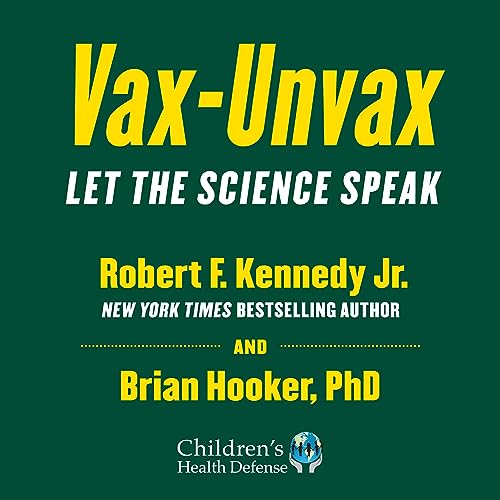
Picture yourself flipping through the pages of Vax-Unvax, feeling that rush of empowerment as the fog lifts. Kennedy, a New York Times bestselling author and environmental crusader, teams up with Hooker, a PhD in biochemical engineering with decades of experience dissecting vaccine data, to lay it all bare. Foreword by Del Bigtree, the Emmy-winning producer behind Vaxxed, this book isn’t for the faint of heart. It’s for parents, doctors, and truth-seekers who refuse to let their loved ones become statistics in a system rigged against them.
“Unvaccinated kids showed a staggering four times lower rate of chronic illnesses.”
Let’s dive into what the science actually says, because once you see it, you can’t unsee it. Take the Mawson study from 2017, a pilot comparison of homeschooled children. Unvaccinated kids showed a staggering four times lower rate of chronic illnesses. Allergies? Near zero in the unvax group compared to over 10% in vaccinated. Asthma? Virtually nonexistent. Ear infections and neurodevelopmental disorders? Drastically reduced. As you read this, imagine the relief of knowing your child could avoid these burdens. Hooker and Kennedy don’t just cite it; they dissect it, showing how Big Pharma’s lobbyists worked to retract and discredit it – but the data endures.

“Vaccinated children faced odds ratios skyrocketing: 4.49 times more likely to have asthma, 3.45 times for ear infections, over twice the risk for developmental delays and GI disorders.”
Or consider the Hooker and Miller analysis from 2020, pulling from real medical records across three practices. Vaccinated children faced odds ratios skyrocketing: 4.49 times more likely to have asthma, 3.45 times for ear infections, over twice the risk for developmental delays and GI disorders. Feel that chill? That’s the weight of evidence that’s been swept under the rug. Kennedy often references this in his CHD podcasts, emphasizing, “We’ve been told to follow the science, but when the science challenges the narrative, it’s censored.” And as you nod along, realizing he’s right, you start to see why this book is a game-changer.
“Geier’s 2014 dose-response study tied mercury exposure from thimerosal to increased risks of autism, ADHD, and tics.”

Dark clouds gather when we look at autism. The Gallagher and Goodman study (2010) found boys vaccinated with Hepatitis B at birth had triple the autism diagnosis rate. Delong’s 2011 research linked higher vaccination uptake to surging autism prevalence across states. Geier’s 2014 dose-response study tied mercury exposure from thimerosal to increased risks of autism, ADHD, and tics. Kennedy hammers this home in interviews: “The epidemic didn’t start until the vaccine schedule exploded. Coincidence? The studies say no.” As you absorb these facts, a sense of urgency builds – why risk it when the unvaccinated thrive?
“Five to ten times higher death risk post-DTP.”
But it’s not just neuro issues; mortality itself is on the line. Aaby’s work in Guinea-Bissau (2005, 2007) revealed unvaccinated children with lower death rates, while DTP-vaccinated girls faced double the mortality. Mogensen’s 2017 natural experiment? Five to ten times higher death risk post-DTP. In low-income settings, yes, but Kennedy and Hooker argue these non-specific effects echo globally, overwhelming young immune systems. Miller and Goldman’s 2011 international comparison showed nations with more vaccine doses suffering higher infant mortality. Lyons-Weiler and Thomas (2020) found vaccinated kids racking up two to five times more doctor visits for everything from respiratory woes to skin issues. Goldman and Miller’s 2012 follow-up? Dose-dependent hospitalizations and deaths climbing with each jab.
You know that feeling when a trusted friend reveals a secret that’s been staring you in the face? That’s Vax-Unvax. It paces with your concerns; the allergy epidemics, the asthma inhalers in every backpack, the autism rates now at 1 in 36, and leads you to the inescapable conclusion: We’ve been misled. Big Pharma rakes in billions while our kids pay the price. But here’s the good news: You can arm yourself. Right now, as you envision a healthier future for your family, picking up this book becomes the natural next step.
““This book changed everything for me,” shares one parent in a testimonial.“
Social proof abounds. Thousands have already awakened through CHD articles and Kennedy’s appearances on Joe Rogan, Tucker Carlson, and beyond. “This book changed everything for me,” shares one parent in a testimonial. “Finally, real science, not soundbites.” Doctors are whispering about it in hallways, policymakers are taking note. But scarcity looms, with censorship ramping up, copies could vanish from shelves. Don’t wait; secure yours today and join the movement.
Embedded in every chapter are calls to action: Demand the large-scale vax-unvax studies the CDC avoids. Question the schedule. Protect your loved ones. As Hooker states, “The data is clear: Unvaccinated groups consistently show better outcomes. It’s time we listened.” Kennedy adds, “This isn’t about anti-vax; it’s pro-science, pro-health.”
In a world where truth is the ultimate rebellion, Vax-Unvax is your weapon. Feel the pull? That’s your intuition guiding you. Head to Amazon, Barnes & Noble, or childrenshealthdefense.org now, before it’s too late. Buy the book, read the studies, and let the science speak. Your child’s tomorrow depends on what you do today.
Celebrity
Mark Wahlberg: From Troubled Teen to Faith-Driven Hollywood Voice
You might know Mark Wahlberg for his intense action roles, boy-band beginnings, or for being the only person in Hollywood who can blend a perfectly pressed shirt with daily Mass. But underneath the blockbusters and muscle, there’s a spiritual story that’s as compelling as any movie script, one rooted deeply in faith, redemption, and a desire to make his life matter beyond box office numbers.
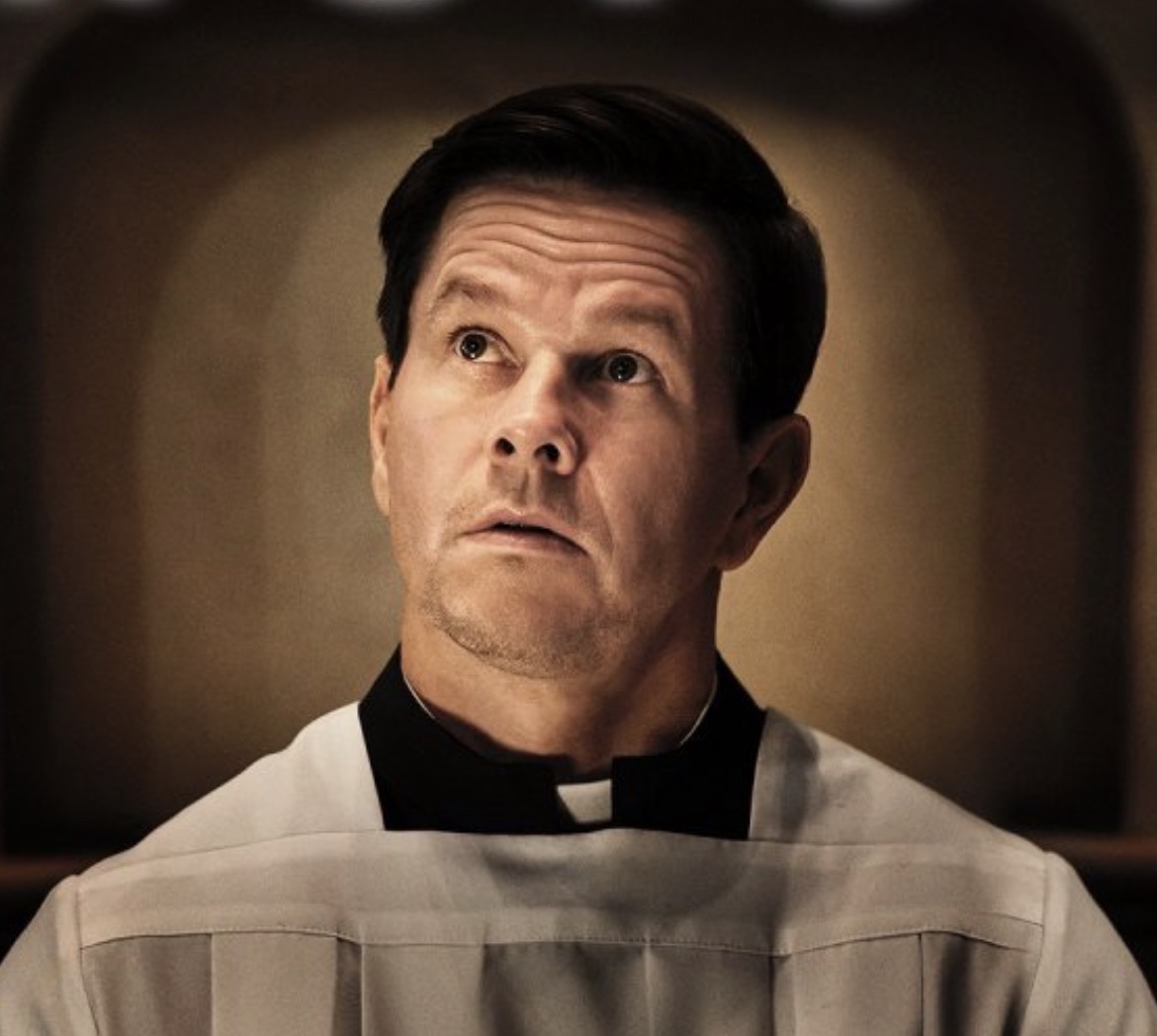
You might know Mark Wahlberg for his intense action roles, boy-band beginnings, or for being the only person in Hollywood who can blend a perfectly pressed shirt with daily Mass. But underneath the blockbusters and muscle, there’s a spiritual story that’s as compelling as any movie script, one rooted deeply in faith, redemption, and a desire to make his life matter beyond box office numbers.
At his core, Wahlberg often says faith isn’t a part of his life, it’s the center of it.
A Catholic Foundation That Changed Everything
Wahlberg wasn’t always the devout figure we see today. Born and raised outside Boston, he lived through serious early-life upheaval, from school dropout days to legal trouble as a teen. But it was during this rough patch that his faith first found real meaning.
“Being Catholic is the most important part of my life” – Mark Wahlberg
As Wahlberg himself candidly relates, he credits the Catholic Church, daily prayer, and spiritual discipline for helping him turn his life around. “Being Catholic is the most important part of my life,” he’s said on more than one occasion.
For him, prayer isn’t a weekly checkbox, it’s an everyday habit. Outside of Mass, he places great emphasis on starting his day on his knees, giving thanks, seeking clarity, and setting his focus before the chaos of life kicks in.
Faith in Hollywood: Not Pop Culture, But Personal Truth
In an industry that often sidelines faith and spirituality, Wahlberg refuses to play by Hollywood’s “silent” rulebook. On talk shows and interviews, he consistently expresses how his faith underpins his worldview, even when it might seem countercultural in celebrity circles. “I will not hide the fact that I love the Lord,” he shared in a heartfelt discussion about religion and fame.
Look, I will not hide the fact that I love the Lord and I want to be committed to serving the Lord…” – Mark Wahlberg
This unapologetic stance hasn’t always been easy. Wahlberg himself has said boldly that faith can be unpopular in his industry, but that doesn’t stop him from living it publicly. And for him, it’s not about converting others by force, but about living authentically and letting his actions speak louder than words.
Turning Movies Into Missions
One of the most visible ways Wahlberg expresses his faith is through his work, both on and off the screen.
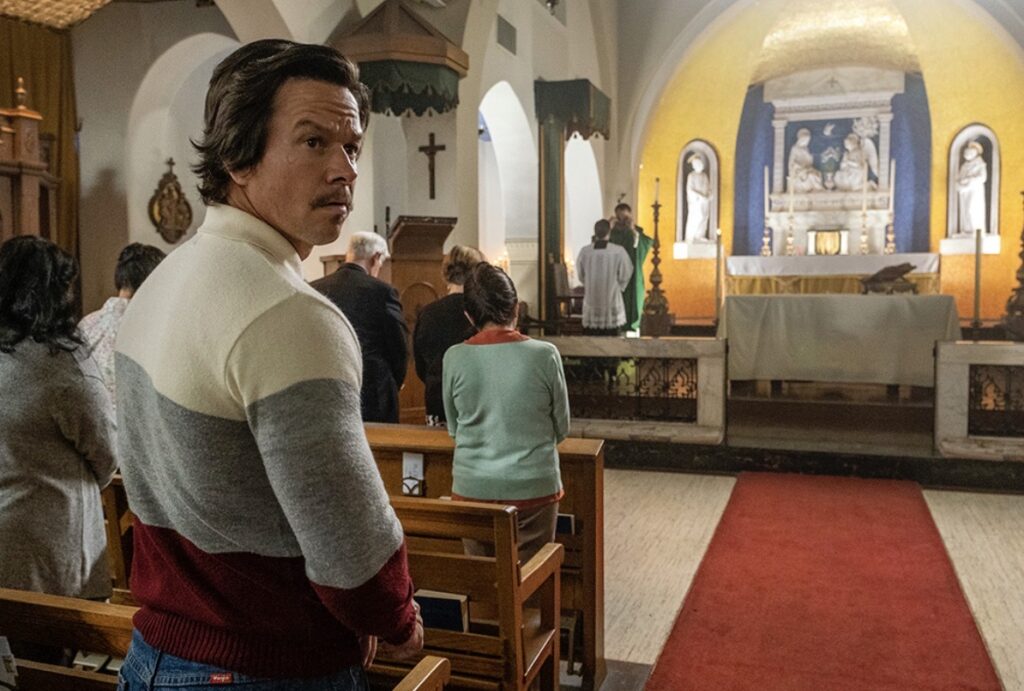
In 2022, he co-produced and starred in Father Stu, a biographical drama about a boxer’s unexpected journey to priesthood. The story, steeped in themes of transformation and grace, isn’t just another film project for Wahlberg, it’s a reflection of his own spiritual heartbeat, aligned with his belief that stories of redemption deserve to be told.
His goal with the film wasn’t fame or profit — it was impact. Wahlberg openly hoped “Father Stu” might inspire people to consider their own faith journeys, vocations, and places in the world. He’s said he wanted the film to remind audiences that it’s never too late to change.
Daily Devotion, Not PR Stunt
Wahlberg’s faith isn’t a weekend hobby; it’s woven into his daily rhythm.
He’s known to begin every day with prayer and Scripture, regardless of where he is. Even if he can’t make daily Mass, he’ll stop at a church and spend quality time in silent prayer, a discipline he credits with keeping him grounded, humble, and focused on what truly matters.
And it isn’t just for show. Wahlberg talks openly about why he prays, not for fame or success, but for deeper transformation. “God didn’t come to save the saints, He came to save the sinners,” he once explained, reminding listeners that faith is about humility as much as hope.
Giving Back: The Mark Wahlberg Youth Foundation
Faith isn’t meant to remain inward; for Wahlberg, it flows outward into tangible action.
Back in 2001, he launched the Mark Wahlberg Youth Foundation, a charity aimed at helping young people, especially those from underprivileged areas, gain access to opportunity and enrichment programs.
The foundation reflects his own journey: he knows firsthand how pivotal guidance and support can be for kids who might otherwise fall through the cracks. Through mentorship, community programs, and outreach, the charity embodies what Wahlberg calls faith in motion — not just praying for change, but being part of it.
He’s also been active with efforts like The Good Shepherd Center for Homeless Women and Children, extending help to families facing hardship, again reflecting his belief that faith should manifest in compassion and service.
A Spiritual Legacy More Than a Hollywood One
Mark Wahlberg has built a career millions admire. But if there’s one thing he’ll tell you he values more than his biggest box office hit, it’s the depth of his faith journey.
From a rough youth to a grounded adult who starts every day with prayer, makes films with purpose, and channels his success into helping others – Wahlberg shows that faith isn’t just a part of life. For him, it’s the story beneath the story.
And in a world hungry for meaning beyond fame and likes, that’s a narrative that resonates.
The Civic Nationalistic Ideology That Invited Western Society to Self-Genocide
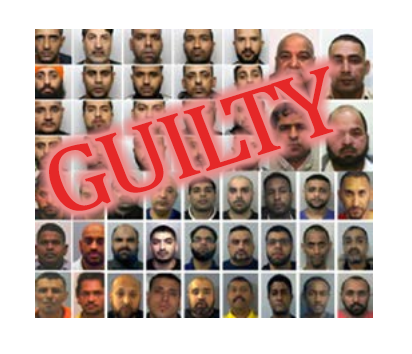
Across Europe, a slow and painful reckoning is underway. For decades, grooming gang scandals in the United Kingdom have exposed horrifying abuses of vulnerable girls, not merely as isolated crimes but as failures of institutions entrusted with protection.
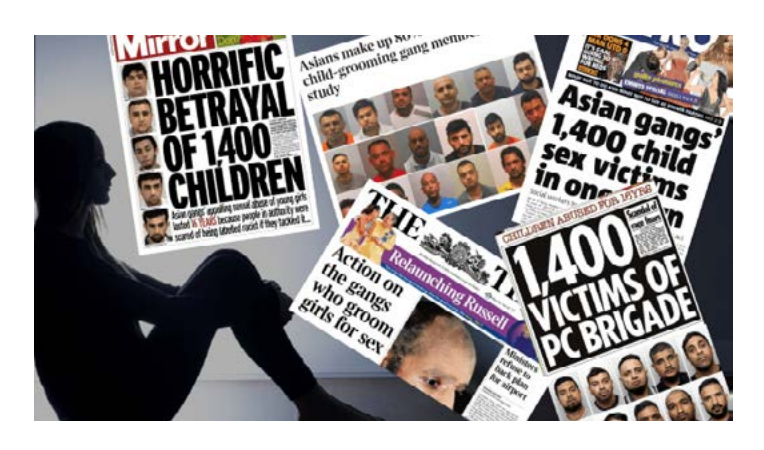
Official inquiries revealed not only criminality but systemic paralysis — police inaction, social services that ignored warnings, and political timidity that prioritized optics over truth. For many Christians across Europe, this isn’t simply a legal scandal; it represents a societal moral collapse grounded in the denial of hard truths.
The consequences are felt far beyond the communities directly affected. They echo in family structures, civic virtues, and the confidence of citizens that their institutions will protect the vulnerable. And for those watching across the Atlantic, there is a growing concern that similar patterns of disengagement, demographic decline, and misplaced priorities are unfolding in the United States.
America, like many Western nations, is grappling with a falling birthrate, declining marriage rates, and waning trust in civic and religious institutions. Fertility rates in the U.S. have dipped below replacement level in recent years, a trend that mirrors patterns seen in much of Europe. Fewer children, fewer families, and less social cohesion translate into weakened communities, less investment in future generations, and an increased reliance on state mechanisms that often prove bureaucratic and ineffective.
Central to this anxiety is how national resources are allocated. A striking example is U.S. foreign aid to strategic partners abroad compared with domestic spending on programs intended to safeguard American citizens. According to multiple analyses of recent federal budgets, the United States has provided at least $21.7 billion in military and security assistance to Israel since the Gaza conflict began in October 2023 — a figure that spans both the Biden and Trump administrations and reflects long-standing bilateral commitments.
This level of aid is part of a broader pattern: decades of U.S. military and security assistance to Israel amount to tens of billions of dollars, and under current agreements the United States is scheduled to provide roughly $3.8 billion annually in military aid through 2028.
Meanwhile, total U.S. foreign aid — across all countries and functions — remains a small share of federal spending overall, at around 1.2% of total federal outlays in recent years. Yet within that modest slice, strategic security assistance can command large portions of appropriations.
Compare this with domestic priorities. Agencies like the Department of Homeland Security, tasked with protecting Americans, routinely seek ever-larger budgets to address everything from border enforcement to disaster response. Budget proposals in 2025 and 2026 saw hundreds of billions of dollars allocated for immigration enforcement, border security infrastructure, and related personnel — funds that dwarfed many family support and community stability programs.
The contrast is not simply a matter of numbers in isolation; it is about prioritization. A nation that channels billions in military assistance abroad and vast sums to border enforcement, yet struggles to invest in the economic and social conditions that support stable families and vibrant communities, risks undermining the very foundations of its future.
This tension is symptomatic of a deeper cultural malaise. When political and cultural institutions become more concerned with avoiding controversy than confronting hard truths, they fail the vulnerable — whether in the streets of Britain or the inner cities and rural towns of America. When social policies are not grounded in a coherent moral vision that values life, family, and community, then other priorities — even strategically important ones — can overshadow the needs of the people these institutions are meant to serve.
For American Christians, Europe’s painful lessons offer a warning. Britain’s grooming scandal was not caused by diversity alone. It was exacerbated by institutional hesitation, political caution, and cultural silence. Likewise, America’s demographic challenges and budgetary choices reflect a nation wrestling with its identity and priorities.
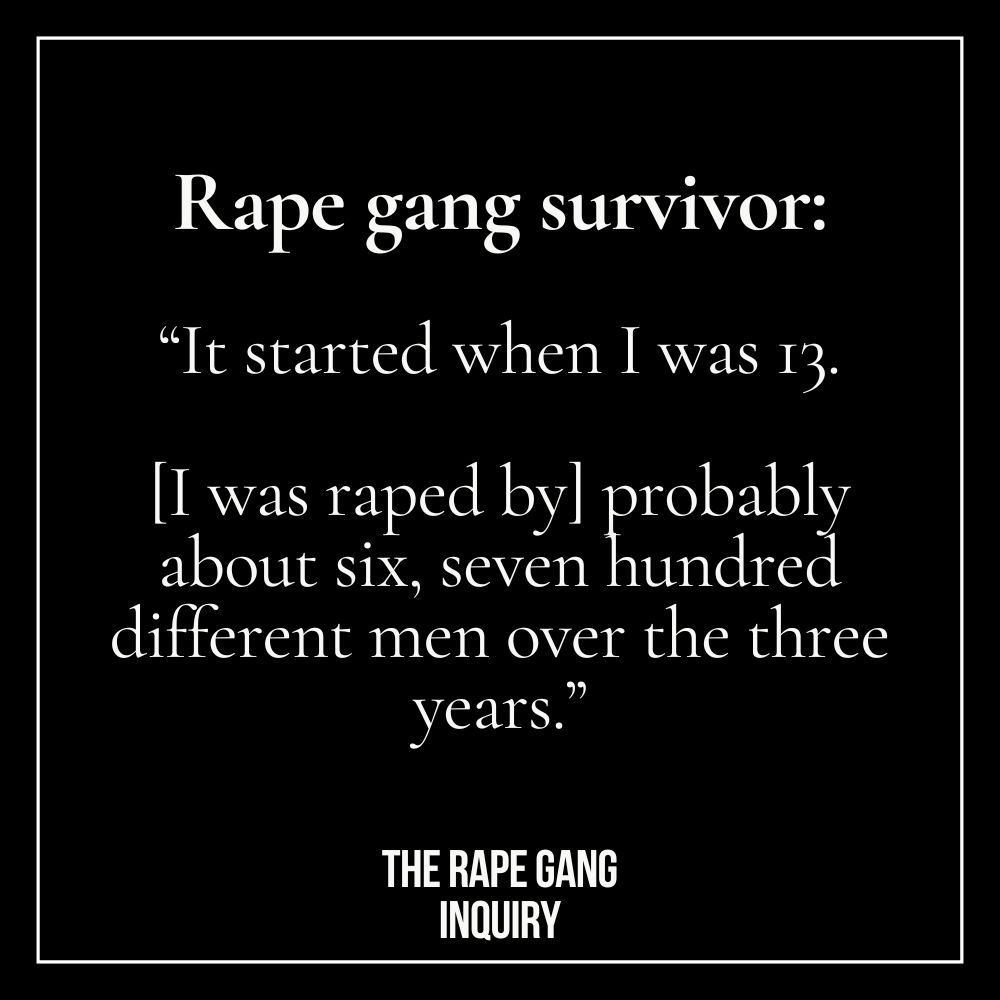
ONE MILLION young girls – in a country with a population of 70 million people – have been groomed, raped, beaten, trafficked, and tortured by predominantly Pakistani, Muslim grooming gangs
There is still time for course correction. But time, like birthrates and moral clarity, does not reverse itself without deliberate change. If America wishes to avoid the mistakes seen abroad, it must reaffirm the primacy of family, faith, and the protection of its own citizens while engaging with the world responsibly — not at the expense of its foundational commitments.

2026 Election Cycle Begins to Take Shape as Key Issues Come Into Focus
New Jersey Fame Wall

The Captive: A Chilling Thriller About the Fight to Protect the Innocent

Why New Jersey Is Quietly Becoming a Magnet for Filmmakers

Faith, Politics, and the “Christ Is King” Debate: Why Ted Cruz’s Remarks Sparked a Christian Backlash

The Silent Epidemic: Why Your Child’s Future Hangs in the Balance:

Seaside Heights Polar Bear Plunge Returns March 14 — Here’s Exactly What to Know Before

9 Can’t-Miss Events This March in New Jersey

Southside Johnny: The Grandfather of the New Jersey Sound

The Green Light Is Back On: Belmar–Lake Como St. Patrick’s Day Parade Rescheduled for Saturday, March 28
The Captive: A Chilling Thriller About the Fight to Protect the Innocent

Alice In Chains

Tucker Carlson

Solo Mio Behind the Scenes (BTS)

NJ Film Expo 2025: A Breakout Moment for New Jersey’s Filmmaking Future

-
 Entertainment2 months ago
Playwright & Filmmaker Tom Cavanaugh Named Finalist for 2026 TASTE Awards Following Recognition in Asbury Park
-

 Celebrity3 months ago
New Jersey Celebrities
-
 Editorial3 weeks ago
The Silent Epidemic: Why Your Child’s Future Hangs in the Balance:
-
 Events & Festivals4 weeks ago
Seaside Heights Polar Bear Plunge Returns March 14 — Here’s Exactly What to Know Before
-
 Celebrity2 months ago
Garden State Icon Bruce Springsteen Teams Up with Barack Obama in “Renegades: Born in the USA” – A Liberal Echo Chamber in Print
-
 Celebrity1 month ago
The Erosion of American Values: Bruce Springsteen’s Red Bank Rant and Hollywood’s Assault on Law and Order
-
 Entertainment1 month ago
Diane Raver and the Vision That Built the Garden State Film Festival
-
 Entertainment1 month ago
Solo Mio Behind the Scenes (BTS)