

Entertainment
Grunge: The Beautiful Noise That Saved Rock and Still Hasn’t Been Topped
Rock music has gone through many eras that fans fiercely defend—classic rock loyalists swear by the late ’60s and ’70s, metal heads will die on the hill of the ’80s, and indie kids still champion the 2000s garage revival. But when the dust settles, one era stands above the rest for its honesty, cultural impact, and raw musical power: grunge.

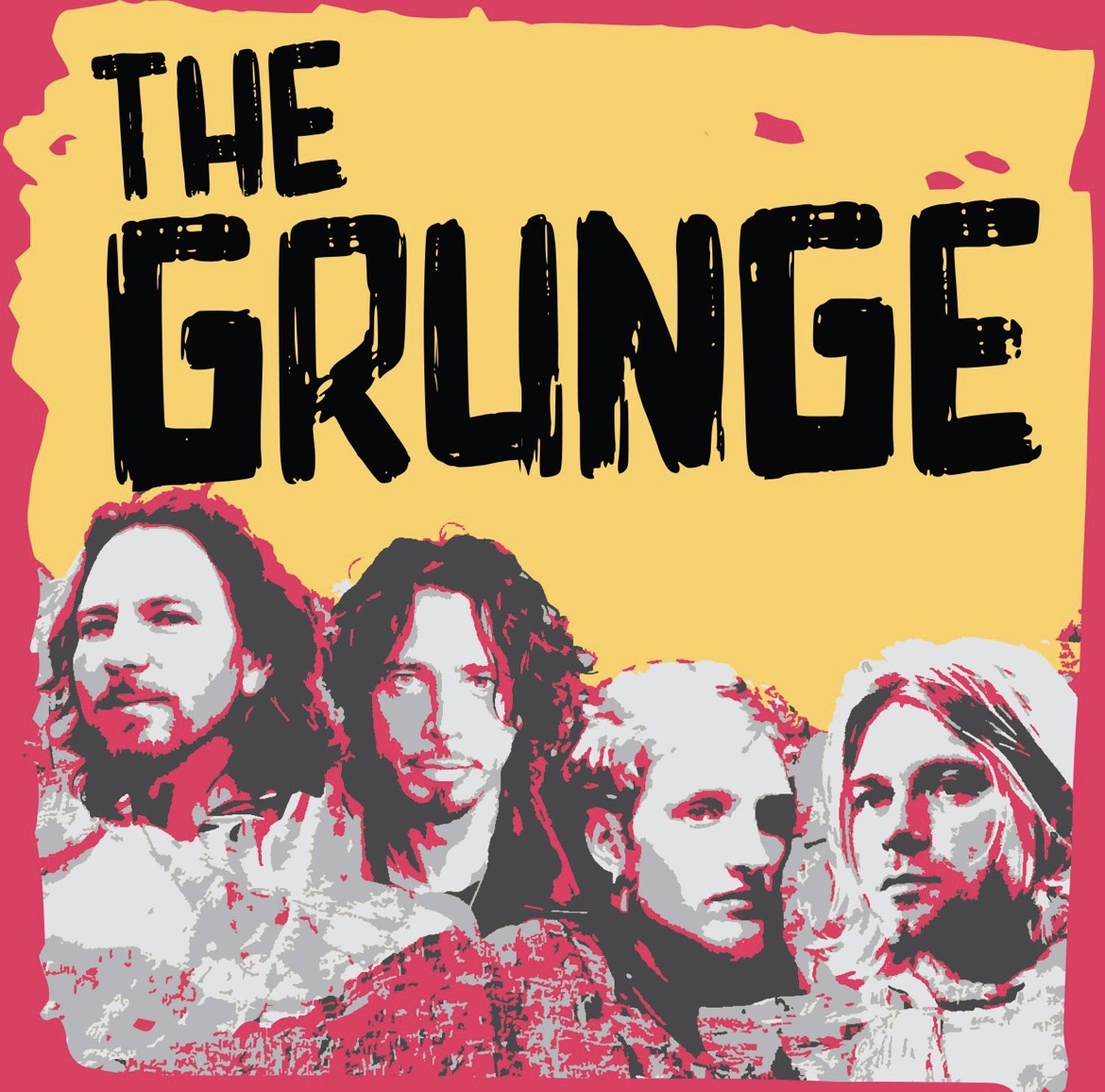
Rock music has gone through many eras that fans fiercely defend—classic rock loyalists swear by the late ’60s and ’70s, metal heads will die on the hill of the ’80s, and indie kids still champion the 2000s garage revival. But when the dust settles, one era stands above the rest for its honesty, cultural impact, and raw musical power: grunge.
Grunge wasn’t just a sound. It was a mood, a rejection, a mirror held up to a generation—and for all those reasons, it may well be the greatest era rock music ever produced, with two very close seconds.
Where Grunge Came From: Rain, Rust, and Rebellion
Grunge was born in the Pacific Northwest, primarily Seattle, Washington, in the mid-to-late 1980s. This wasn’t Los Angeles glam or New York art-rock polish. Seattle was isolated, gray, rainy, working-class, and far from the industry spotlight. That isolation mattered. Bands weren’t chasing trends—they were reacting to life.
Musically, grunge grew out of punk’s aggression, metal’s heaviness, and classic rock’s songwriting, but stripped of ego and theatrics. Labels like Sub Pop helped crystallize the sound, pushing bands that sounded dirty, loud, emotional, and unapologetically flawed.
By the time the early ’90s hit, grunge was ready to explode.
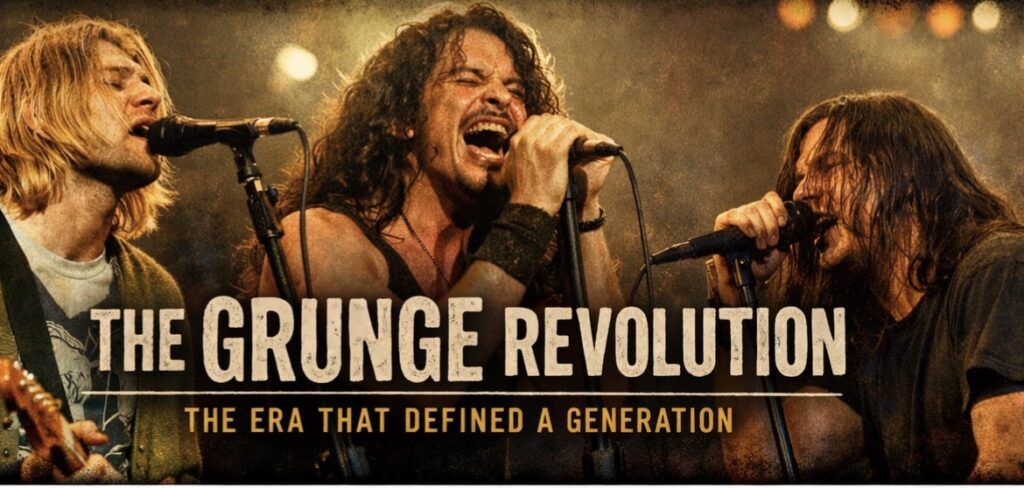
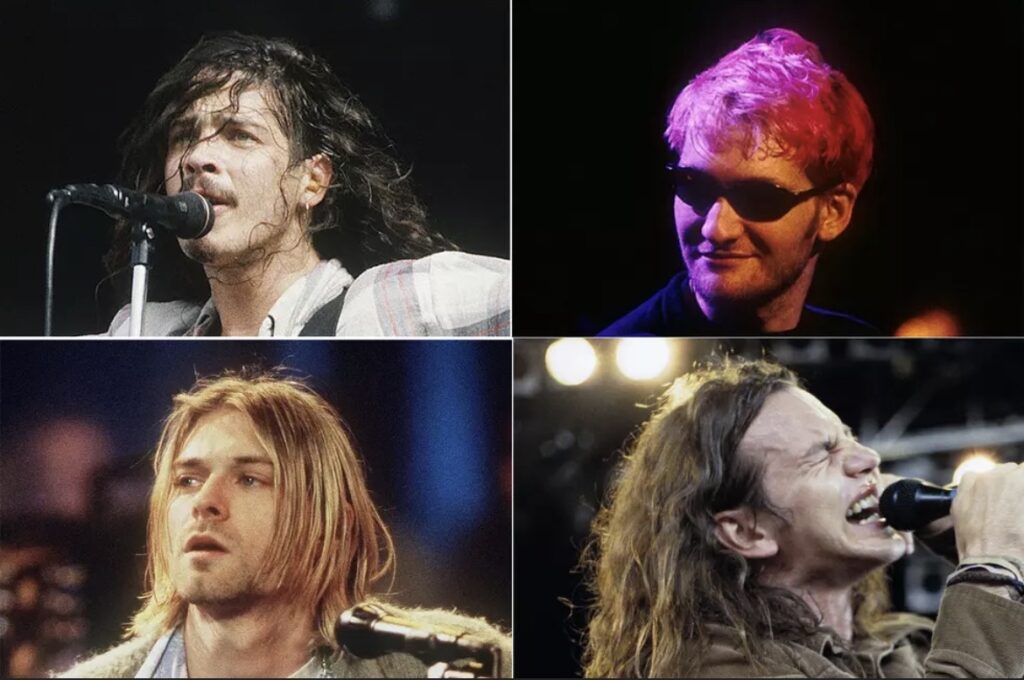
The Sound: Heavy, Melodic, and Uncomfortable (in the Best Way)
Grunge guitars were thick and distorted, often tuned down for extra weight. Drums were thunderous but human. Vocals weren’t about perfection—they were about truth. Singing could turn into shouting, whispering, or breaking entirely.
Bands like Nirvana, Pearl Jam, Soundgarden, and Alice in Chains each carved out distinct identities:
- Nirvana fused punk simplicity with pop instinct, detonating mainstream rock with Nevermind.
- Pearl Jam leaned into classic rock structures and emotional storytelling.
- Soundgarden experimented with odd time signatures and alternate tunings, making grunge cerebral and heavy.
- Alice in Chains brought doom-laden harmonies and darkness that bordered on metal.
Despite their differences, they shared one thing: authenticity. None of this felt manufactured.
Style as Anti-Style
Grunge didn’t dress to impress. In fact, it dressed to reject the idea of impressing anyone at all. Flannel shirts, ripped jeans, thrift-store sweaters, combat boots—this wasn’t a costume, it was just what people wore in a cold, broke city.
Ironically, this anti-fashion stance became fashion itself. Designers tried to replicate it. They failed—because grunge style only worked when it wasn’t trying.
How Grunge Changed Everything
Grunge didn’t just influence rock—it reset the entire music industry.
Overnight, hair metal vanished. Bands that relied on image over substance were exposed. Lyrics shifted away from partying and excess toward alienation, depression, self-doubt, addiction, and meaning. It gave a voice to people who didn’t feel represented by glossy pop culture.
Grunge also paved the way for alternative rock, post-grunge, emo, and even modern indie scenes. Without grunge, the emotional honesty of later rock simply doesn’t exist.
Why Grunge Might Be the Best Rock Era Ever
Here’s the argument: grunge hit the perfect balance.
- It had the musicianship and weight of classic rock.
- The attitude and danger of punk.
- The emotional depth that later eras would chase but rarely match.
- And crucially, it happened before digital overproduction flattened everything.
Grunge bands didn’t chase hits—they stumbled into them. That’s rare. That’s powerful.
The Two Close Seconds
If grunge is the champion, the runners-up deserve respect.
Second Place: Late ’60s–’70s Classic Rock
This era gave us the blueprint—The Beatles, Zeppelin, Hendrix, Pink Floyd. The innovation was unmatched. But by the end, excess crept in. Grunge cut through that excess like a blade.
Third Place: Early Punk (Late ’70s–Early ’80s)
Punk was necessary and revolutionary. It burned fast and bright. But grunge took punk’s honesty and gave it room to breathe, adding melody and complexity without losing the soul.
The Legacy That Refuses to Fade
Grunge burned intensely and briefly, but its influence still echoes. New bands still chase that rawness. Fans still wear the flannel. Songs from that era still feel alive.
In a world increasingly polished, filtered, and algorithm-driven, grunge remains a reminder that rock music is at its best when it’s imperfect, emotional, and real.
Rock music has gone through many eras that fans fiercely defend—classic rock loyalists swear by the late ’60s and ’70s, metal heads will die on the hill of the ’80s, and indie kids still champion the 2000s garage revival. But when the dust settles, one era stands above the rest for its honesty, cultural impact, and raw musical power: grunge.
Grunge wasn’t just a sound. It was a mood, a rejection, a mirror held up to a generation—and for all those reasons, it may well be the greatest era rock music ever produced, with two very close seconds.
Where Grunge Came From: Rain, Rust, and Rebellion
Grunge was born in the Pacific Northwest, primarily Seattle, Washington, in the mid-to-late 1980s. This wasn’t Los Angeles glam or New York art-rock polish. Seattle was isolated, gray, rainy, working-class, and far from the industry spotlight. That isolation mattered. Bands weren’t chasing trends—they were reacting to life.
Musically, grunge grew out of punk’s aggression, metal’s heaviness, and classic rock’s songwriting, but stripped of ego and theatrics. Labels like Sub Pop helped crystallize the sound, pushing bands that sounded dirty, loud, emotional, and unapologetically flawed.
By the time the early ’90s hit, grunge was ready to explode.
The Sound: Heavy, Melodic, and Uncomfortable (in the Best Way)
Grunge guitars were thick and distorted, often tuned down for extra weight. Drums were thunderous but human. Vocals weren’t about perfection—they were about truth. Singing could turn into shouting, whispering, or breaking entirely.
Bands like Nirvana, Pearl Jam, Soundgarden, and Alice in Chains each carved out distinct identities:
- Nirvana fused punk simplicity with pop instinct, detonating mainstream rock with Nevermind.
- Pearl Jam leaned into classic rock structures and emotional storytelling.
- Soundgarden experimented with odd time signatures and alternate tunings, making grunge cerebral and heavy.
- Alice in Chains brought doom-laden harmonies and darkness that bordered on metal.
Despite their differences, they shared one thing: authenticity. None of this felt manufactured.
Style as Anti-Style
Grunge didn’t dress to impress. In fact, it dressed to reject the idea of impressing anyone at all. Flannel shirts, ripped jeans, thrift-store sweaters, combat boots—this wasn’t a costume, it was just what people wore in a cold, broke city.
Ironically, this anti-fashion stance became fashion itself. Designers tried to replicate it. They failed—because grunge style only worked when it wasn’t trying.
How Grunge Changed Everything
Grunge didn’t just influence rock—it reset the entire music industry.
Overnight, hair metal vanished. Bands that relied on image over substance were exposed. Lyrics shifted away from partying and excess toward alienation, depression, self-doubt, addiction, and meaning. It gave a voice to people who didn’t feel represented by glossy pop culture.
Grunge also paved the way for alternative rock, post-grunge, emo, and even modern indie scenes. Without grunge, the emotional honesty of later rock simply doesn’t exist.
Why Grunge Might Be the Best Rock Era Ever
Here’s the argument: grunge hit the perfect balance.
- It had the musicianship and weight of classic rock.
- The attitude and danger of punk.
- The emotional depth that later eras would chase but rarely match.
- And crucially, it happened before digital overproduction flattened everything.
Grunge bands didn’t chase hits—they stumbled into them. That’s rare. That’s powerful.
The Two Close Seconds
If grunge is the champion, the runners-up deserve respect.
Second Place: Late ’60s–’70s Classic Rock
This era gave us the blueprint—The Beatles, Zeppelin, Hendrix, Pink Floyd. The innovation was unmatched. But by the end, excess crept in. Grunge cut through that excess like a blade.
Third Place: Early Punk (Late ’70s–Early ’80s)
Punk was necessary and revolutionary. It burned fast and bright. But grunge took punk’s honesty and gave it room to breathe, adding melody and complexity without losing the soul.
The Legacy That Refuses to Fade
Grunge burned intensely and briefly, but its influence still echoes. New bands still chase that rawness. Fans still wear the flannel. Songs from that era still feel alive.
In a world increasingly polished, filtered, and algorithm-driven, grunge remains a reminder that rock music is at its best when it’s imperfect, emotional, and real.












Entertainment
Garden State Film Festival Returns to Asbury Park: Celebrating Independent Film on the Jersey Shore




2026 Election Cycle Begins to Take Shape as Key Issues Come Into Focus
New Jersey Fame Wall

The Captive: A Chilling Thriller About the Fight to Protect the Innocent

Why New Jersey Is Quietly Becoming a Magnet for Filmmakers

Faith, Politics, and the “Christ Is King” Debate: Why Ted Cruz’s Remarks Sparked a Christian Backlash

The Silent Epidemic: Why Your Child’s Future Hangs in the Balance:

Seaside Heights Polar Bear Plunge Returns March 14 — Here’s Exactly What to Know Before

9 Can’t-Miss Events This March in New Jersey

Southside Johnny: The Grandfather of the New Jersey Sound

The Green Light Is Back On: Belmar–Lake Como St. Patrick’s Day Parade Rescheduled for Saturday, March 28
The Captive: A Chilling Thriller About the Fight to Protect the Innocent

Alice In Chains

Tucker Carlson

Solo Mio Behind the Scenes (BTS)

NJ Film Expo 2025: A Breakout Moment for New Jersey’s Filmmaking Future

-

 Entertainment2 months ago
Playwright & Filmmaker Tom Cavanaugh Named Finalist for 2026 TASTE Awards Following Recognition in Asbury Park
-

 Celebrity3 months ago
New Jersey Celebrities
-
 Editorial3 weeks ago
The Silent Epidemic: Why Your Child’s Future Hangs in the Balance:
-
 Events & Festivals4 weeks ago
Seaside Heights Polar Bear Plunge Returns March 14 — Here’s Exactly What to Know Before
-

 Celebrity2 months ago
Garden State Icon Bruce Springsteen Teams Up with Barack Obama in “Renegades: Born in the USA” – A Liberal Echo Chamber in Print
-

 Celebrity1 month ago
The Erosion of American Values: Bruce Springsteen’s Red Bank Rant and Hollywood’s Assault on Law and Order
-

 Entertainment1 month ago
Diane Raver and the Vision That Built the Garden State Film Festival
-
 Entertainment1 month ago
Solo Mio Behind the Scenes (BTS)