

Editorial
Learn about Miles Davis and the Birth of Cool Jazz at the Brick Branch of the Ocean County Library
Timed to honor Black History Month, the program dives into the story of a musician who reshaped American sound more than once — and whose legacy continues to ripple across genres from hip-hop to rock to modern film scoring.

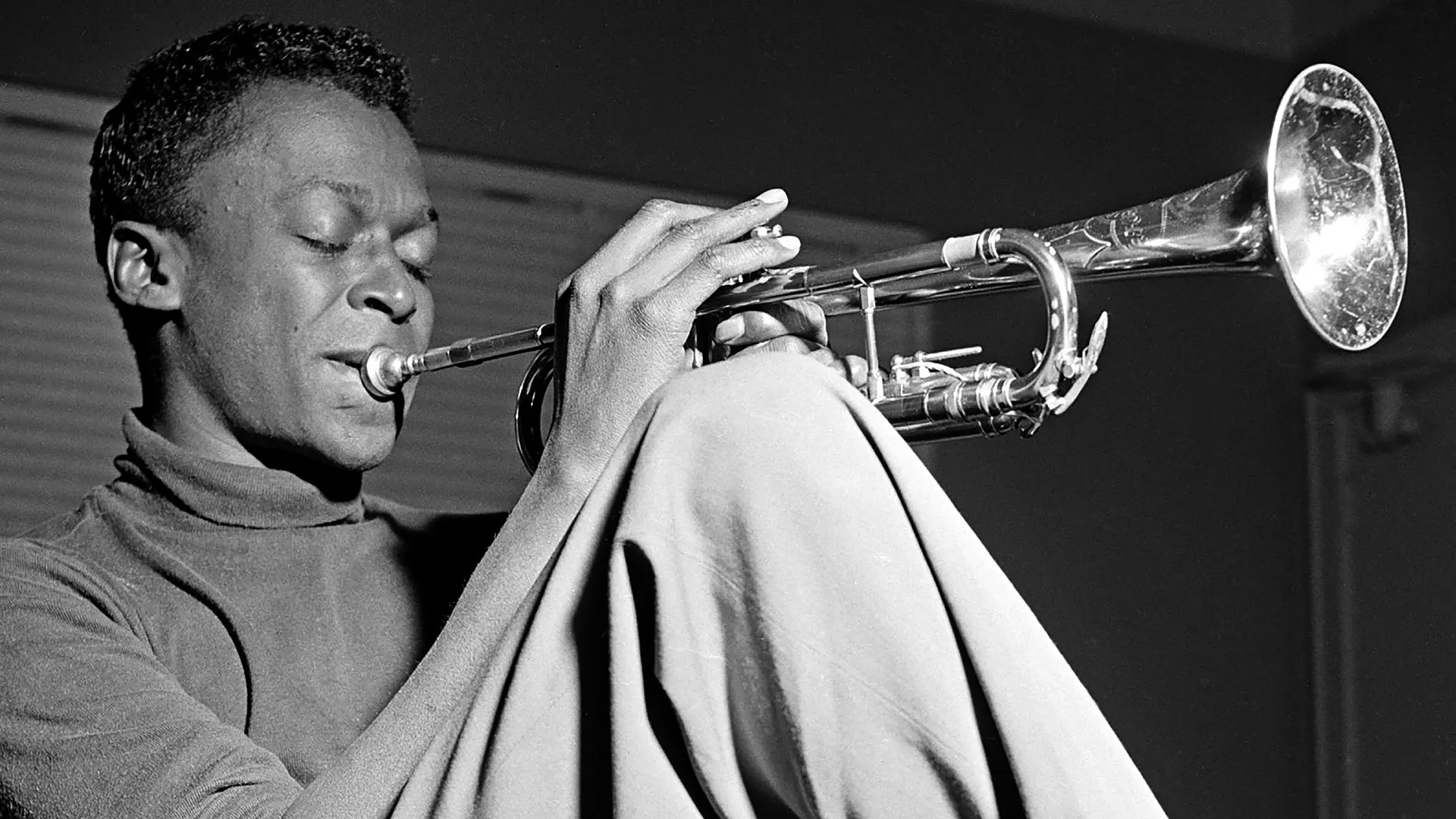
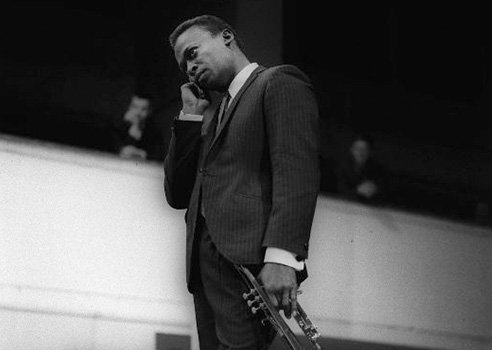
(BRICK, NJ) — In a town better known for Shore traffic and Friday night lights than smoky jazz clubs, Brick is about to turn the volume up on one of America’s most transformative musical legends. The Brick Branch of the Ocean County Library will host “Miles Davis: Birth of the Cool” on Saturday, February 28, 2026 at 2:30pm, offering residents a chance to explore the life, artistry, and enduring influence of jazz icon Miles Davis.
Timed to honor Black History Month, the program dives into the story of a musician who reshaped American sound more than once — and whose legacy continues to ripple across genres from hip-hop to rock to modern film scoring.
While Davis himself hailed from Illinois and rose to prominence in New York and beyond, his music has long found a home in New Jersey. From Newark’s historic jazz venues to the boardwalk stages of Asbury Park, the Garden State has always embraced improvisation and innovation. That makes Brick an unexpectedly fitting place to reflect on Davis’s revolutionary spirit.
“Miles wasn’t just a musician — he was a movement,” said a local arts supporter. “And Jersey has always respected artists who refuse to stay in one lane.”
The program will explore Davis’s groundbreaking 1949–1950 recording sessions that became Birth of the Cool, a project that shifted jazz away from the frenetic pace of bebop toward a more nuanced, textured sound. That stylistic pivot would go on to influence generations of musicians and redefine what jazz could be.
Attendees can expect a multimedia presentation examining Davis’s artistic evolution — from his early collaborations with Charlie Parker to his later electric experiments that blurred genre lines. His career was marked by constant reinvention, a quality that resonates in a state like New Jersey, where reinvention is practically a civic trait.
Just look at Asbury Park’s comeback, Newark’s arts resurgence, or the countless Shore towns that reinvent themselves season after season. The same creative restlessness that fueled Davis’s trumpet solos feels right at home in the Garden State.
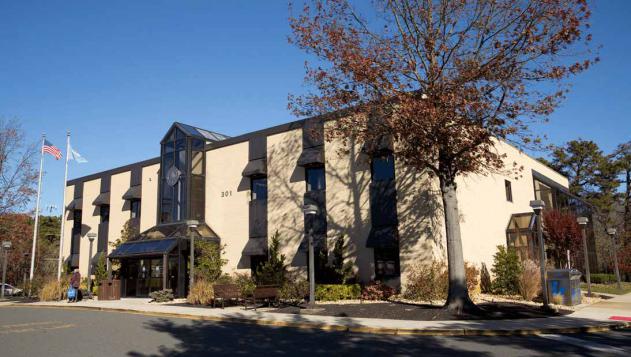
The Ocean County Library system has long served as more than just a place to borrow books. In towns like Brick, it’s a community anchor — hosting lectures, concerts, and cultural programs that bring global stories to local audiences. By spotlighting Davis during Black History Month, the library continues a tradition of connecting national history to neighborhood conversations.
For younger attendees, the program offers a chance to discover a pioneer whose fingerprints are on much of today’s music. For longtime jazz fans, it’s an opportunity to revisit a master whose cool exterior masked a relentless drive for innovation.
And there’s something uniquely Jersey about gathering in a local library on a winter afternoon to talk about jazz. It’s not flashy. It’s not pretentious. It’s community-driven, accessible, and rooted in shared appreciation — much like the best of Davis’s work.
Brick may sit a few miles from the Atlantic, but on February 28, the sounds of cool jazz will drift through Ocean County. Whether you’re a lifelong fan or just curious about the man behind the horn, “Miles Davis: Birth of the Cool” promises an afternoon that blends history, music, and Jersey heart.
In a state that prides itself on authenticity, honoring Miles Davis feels just right.



Editorial
The Silent Epidemic: Why Your Child’s Future Hangs in the Balance:
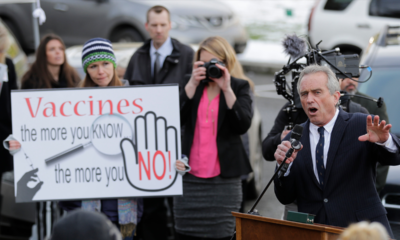
As a seasoned journalist embedded with the trailblazers at Children’s Health Defense (CHD), I’ve witnessed firsthand the relentless pursuit of truth by Robert F. Kennedy Jr. and Dr. Brian Hooker. Their groundbreaking book, Vax-Unvax: Let the Science Speak (Skyhorse Publishing, 2023), isn’t just another opinion piece, it’s a meticulously curated arsenal of over 100 peer-reviewed studies that dare to compare the vaccinated against the unvaccinated. And what these studies reveal? Unvaccinated individuals often emerge healthier, with dramatically lower rates of chronic conditions that plague our society.

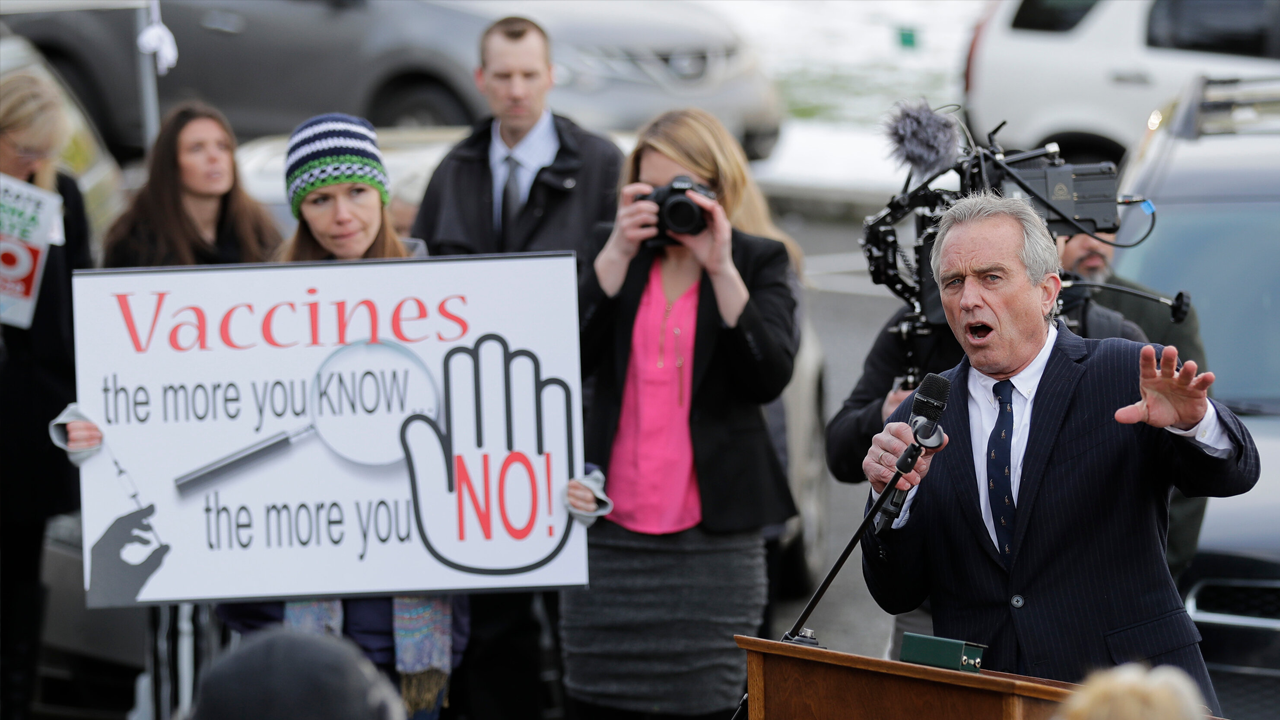
And How ‘Vax-Unvax’ Exposes the Truth Big Pharma Buried
Imagine this: You’re watching your child play in the park, full of energy, laughter echoing through the air. But deep down, a nagging doubt creeps in. What if the very things you’ve been told to trust; the shots, the schedules, the assurances from experts, are quietly eroding that vitality? What if the rising tide of autism, allergies, asthma, and unexplained illnesses isn’t just bad luck, but a direct consequence of choices we’ve been pressured to make? You’ve felt it, haven’t you? That quiet unease when you hear another story of a healthy kid suddenly struggling. It’s time to stop ignoring it. It’s time to let the science speak for itself.
As a seasoned journalist embedded with the trailblazers at Children’s Health Defense (CHD), I’ve witnessed firsthand the relentless pursuit of truth by Robert F. Kennedy Jr. and Dr. Brian Hooker. Their groundbreaking book, Vax-Unvax: Let the Science Speak (Skyhorse Publishing, 2023), isn’t just another opinion piece, it’s a meticulously curated arsenal of over 100 peer-reviewed studies that dare to compare the vaccinated against the unvaccinated. And what these studies reveal? Unvaccinated individuals often emerge healthier, with dramatically lower rates of chronic conditions that plague our society. This isn’t conjecture; it’s data that’s been hidden in plain sight, suppressed by powerful interests who profit from your silence.
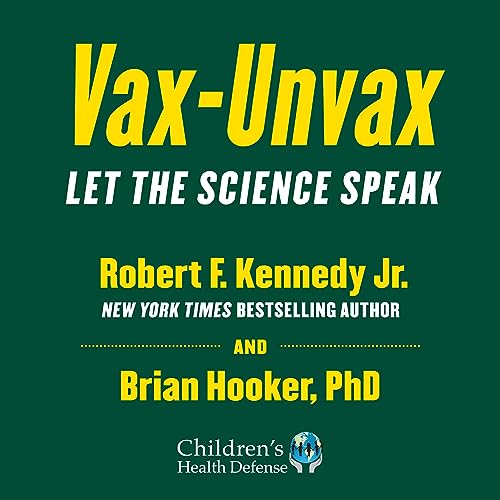
Picture yourself flipping through the pages of Vax-Unvax, feeling that rush of empowerment as the fog lifts. Kennedy, a New York Times bestselling author and environmental crusader, teams up with Hooker, a PhD in biochemical engineering with decades of experience dissecting vaccine data, to lay it all bare. Foreword by Del Bigtree, the Emmy-winning producer behind Vaxxed, this book isn’t for the faint of heart. It’s for parents, doctors, and truth-seekers who refuse to let their loved ones become statistics in a system rigged against them.
“Unvaccinated kids showed a staggering four times lower rate of chronic illnesses.”
Let’s dive into what the science actually says, because once you see it, you can’t unsee it. Take the Mawson study from 2017, a pilot comparison of homeschooled children. Unvaccinated kids showed a staggering four times lower rate of chronic illnesses. Allergies? Near zero in the unvax group compared to over 10% in vaccinated. Asthma? Virtually nonexistent. Ear infections and neurodevelopmental disorders? Drastically reduced. As you read this, imagine the relief of knowing your child could avoid these burdens. Hooker and Kennedy don’t just cite it; they dissect it, showing how Big Pharma’s lobbyists worked to retract and discredit it – but the data endures.

“Vaccinated children faced odds ratios skyrocketing: 4.49 times more likely to have asthma, 3.45 times for ear infections, over twice the risk for developmental delays and GI disorders.”
Or consider the Hooker and Miller analysis from 2020, pulling from real medical records across three practices. Vaccinated children faced odds ratios skyrocketing: 4.49 times more likely to have asthma, 3.45 times for ear infections, over twice the risk for developmental delays and GI disorders. Feel that chill? That’s the weight of evidence that’s been swept under the rug. Kennedy often references this in his CHD podcasts, emphasizing, “We’ve been told to follow the science, but when the science challenges the narrative, it’s censored.” And as you nod along, realizing he’s right, you start to see why this book is a game-changer.
“Geier’s 2014 dose-response study tied mercury exposure from thimerosal to increased risks of autism, ADHD, and tics.”
Dark clouds gather when we look at autism. The Gallagher and Goodman study (2010) found boys vaccinated with Hepatitis B at birth had triple the autism diagnosis rate. Delong’s 2011 research linked higher vaccination uptake to surging autism prevalence across states. Geier’s 2014 dose-response study tied mercury exposure from thimerosal to increased risks of autism, ADHD, and tics. Kennedy hammers this home in interviews: “The epidemic didn’t start until the vaccine schedule exploded. Coincidence? The studies say no.” As you absorb these facts, a sense of urgency builds – why risk it when the unvaccinated thrive?
“Five to ten times higher death risk post-DTP.”
But it’s not just neuro issues; mortality itself is on the line. Aaby’s work in Guinea-Bissau (2005, 2007) revealed unvaccinated children with lower death rates, while DTP-vaccinated girls faced double the mortality. Mogensen’s 2017 natural experiment? Five to ten times higher death risk post-DTP. In low-income settings, yes, but Kennedy and Hooker argue these non-specific effects echo globally, overwhelming young immune systems. Miller and Goldman’s 2011 international comparison showed nations with more vaccine doses suffering higher infant mortality. Lyons-Weiler and Thomas (2020) found vaccinated kids racking up two to five times more doctor visits for everything from respiratory woes to skin issues. Goldman and Miller’s 2012 follow-up? Dose-dependent hospitalizations and deaths climbing with each jab.
You know that feeling when a trusted friend reveals a secret that’s been staring you in the face? That’s Vax-Unvax. It paces with your concerns; the allergy epidemics, the asthma inhalers in every backpack, the autism rates now at 1 in 36, and leads you to the inescapable conclusion: We’ve been misled. Big Pharma rakes in billions while our kids pay the price. But here’s the good news: You can arm yourself. Right now, as you envision a healthier future for your family, picking up this book becomes the natural next step.
““This book changed everything for me,” shares one parent in a testimonial.“
Social proof abounds. Thousands have already awakened through CHD articles and Kennedy’s appearances on Joe Rogan, Tucker Carlson, and beyond. “This book changed everything for me,” shares one parent in a testimonial. “Finally, real science, not soundbites.” Doctors are whispering about it in hallways, policymakers are taking note. But scarcity looms, with censorship ramping up, copies could vanish from shelves. Don’t wait; secure yours today and join the movement.
Embedded in every chapter are calls to action: Demand the large-scale vax-unvax studies the CDC avoids. Question the schedule. Protect your loved ones. As Hooker states, “The data is clear: Unvaccinated groups consistently show better outcomes. It’s time we listened.” Kennedy adds, “This isn’t about anti-vax; it’s pro-science, pro-health.”
In a world where truth is the ultimate rebellion, Vax-Unvax is your weapon. Feel the pull? That’s your intuition guiding you. Head to Amazon, Barnes & Noble, or childrenshealthdefense.org now, before it’s too late. Buy the book, read the studies, and let the science speak. Your child’s tomorrow depends on what you do today.
Editorial
After the Blizzard of ’26: The Jersey Shore’s Dig-Out Weekend, In Real Life
The Blizzard of ’26 came in loud and left behind a frozen postcard much like the one of 96, which I still think was better, or worse depending on your age. lol. Snow stacked high along Route 35. Boardwalk railings disappeared under white drifts. Side streets across Monmouth and Ocean County turned into quiet, glowing tunnels of ice and light.

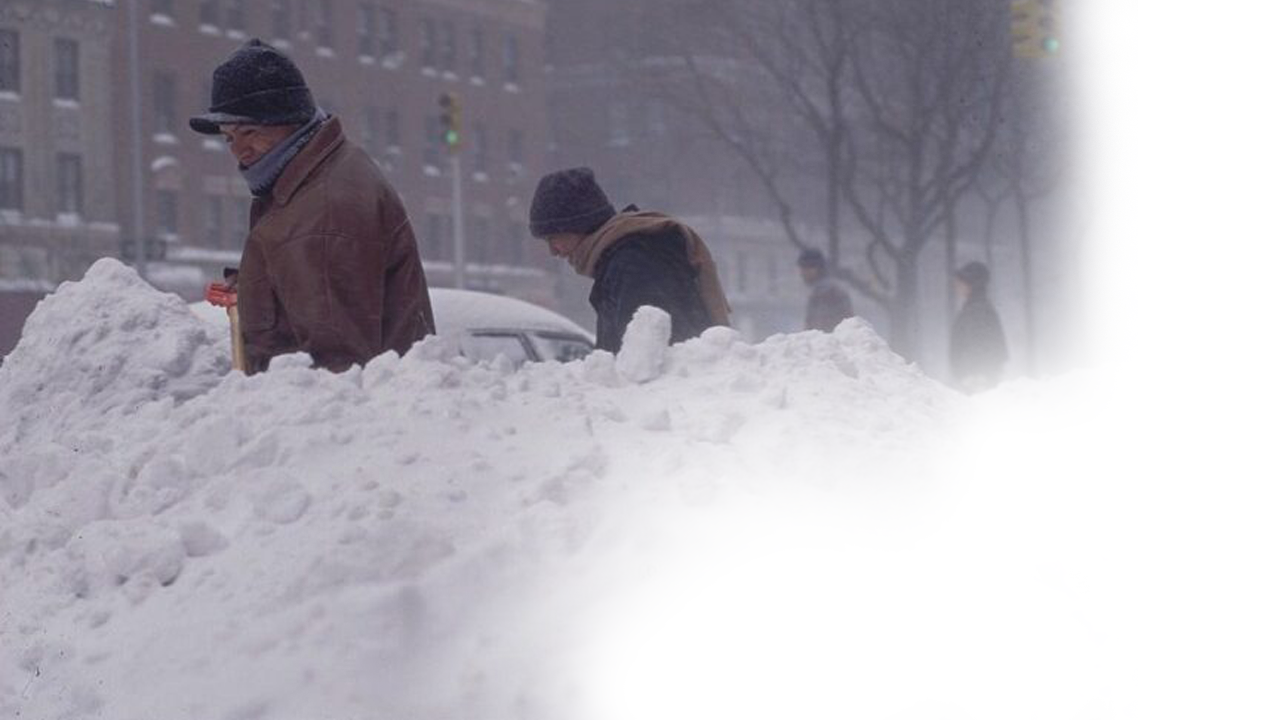
The Blizzard of ’26 Recovery Weekend
The Blizzard of ’26 came in loud and left behind a frozen postcard much like the one of 96, which I still think was better, or worse depending on your age. lol. Snow stacked high along Route 35. Boardwalk railings disappeared under white drifts. Side streets across Monmouth and Ocean County turned into quiet, glowing tunnels of ice and light.
But today? Today is dig-out day.
From Belmar to Asbury Park to Point Pleasant, plows are finishing their passes. Neighbors are out with shovels. Snowblowers hum like background music. Kids who spent two straight days inside are finally back outside building lopsided snow forts in front yards.
This is the Jersey Shore version of recovery.
The Morning After
The first thing you notice is the brightness. Snow reflects everything. The sky feels bigger. The air feels sharper. Even the ocean looks different, darker and calmer against all that white.
Local coffee shops that reopened this morning filled fast. There’s something comforting about standing in line with strangers who all went through the same storm. You nod. You compare snowfall totals. Someone says, “This reminds me of ’96.” Someone else says, “Yeah, but this one hit harder.”
Hardware stores are seeing steady traffic — salt, ice melt, replacement shovel handles. Meanwhile, grocery stores are in restock mode after the pre-storm rush wiped shelves clean.
What’s Open, What’s Not
Major roads are mostly cleared, but side streets remain tight. Parking lots are still a challenge. If you’re heading out today:
• Give plows space
• Watch for black ice in shaded areas
• Clear the top of your car fully — not just the windshield
• Check local town alerts before driving far
Boardwalk access varies town to town. Some sections are open for walking, others remain roped off while crews remove heavy snow from benches and railings.
The Good Stuff
Here’s the part no one talks about enough, blizzards slow everything down.
You see people helping each other. A teenager shoveling an elderly neighbor’s walkway. A guy with a snowblower doing three driveways in a row. Someone pushing a stuck SUV while laughing about it.
For 48 hours, we weren’t scrolling. We were looking outside.
And now? We’re stepping back into the world a little softer.
The Jersey Reset
There’s something symbolic about this kind of storm. Everything gets covered. Everything looks clean. Quiet. Still.
Then life returns.
Restaurants light their signs again. Music starts playing in Asbury bars tonight. Kids head back to school Monday with stories about snow tunnels and sledding wipeouts.
The Blizzard of ’26 will be remembered; not just for totals, but for the pause.
And at the Shore, we always bounce back.

2026 Election Cycle Begins to Take Shape as Key Issues Come Into Focus
New Jersey Fame Wall

The Captive: A Chilling Thriller About the Fight to Protect the Innocent

Why New Jersey Is Quietly Becoming a Magnet for Filmmakers

Faith, Politics, and the “Christ Is King” Debate: Why Ted Cruz’s Remarks Sparked a Christian Backlash

The Silent Epidemic: Why Your Child’s Future Hangs in the Balance:

Seaside Heights Polar Bear Plunge Returns March 14 — Here’s Exactly What to Know Before

9 Can’t-Miss Events This March in New Jersey

Southside Johnny: The Grandfather of the New Jersey Sound

The Green Light Is Back On: Belmar–Lake Como St. Patrick’s Day Parade Rescheduled for Saturday, March 28
The Captive: A Chilling Thriller About the Fight to Protect the Innocent

Alice In Chains

Tucker Carlson

Solo Mio Behind the Scenes (BTS)

NJ Film Expo 2025: A Breakout Moment for New Jersey’s Filmmaking Future

-
 Entertainment2 months ago
Playwright & Filmmaker Tom Cavanaugh Named Finalist for 2026 TASTE Awards Following Recognition in Asbury Park
-

 Celebrity3 months ago
New Jersey Celebrities
-
 Editorial3 weeks ago
The Silent Epidemic: Why Your Child’s Future Hangs in the Balance:
-
 Events & Festivals4 weeks ago
Seaside Heights Polar Bear Plunge Returns March 14 — Here’s Exactly What to Know Before
-
 Celebrity2 months ago
Garden State Icon Bruce Springsteen Teams Up with Barack Obama in “Renegades: Born in the USA” – A Liberal Echo Chamber in Print
-

 Celebrity1 month ago
The Erosion of American Values: Bruce Springsteen’s Red Bank Rant and Hollywood’s Assault on Law and Order
-

 Entertainment1 month ago
Diane Raver and the Vision That Built the Garden State Film Festival
-
 Entertainment1 month ago
Solo Mio Behind the Scenes (BTS)