

Celebrity
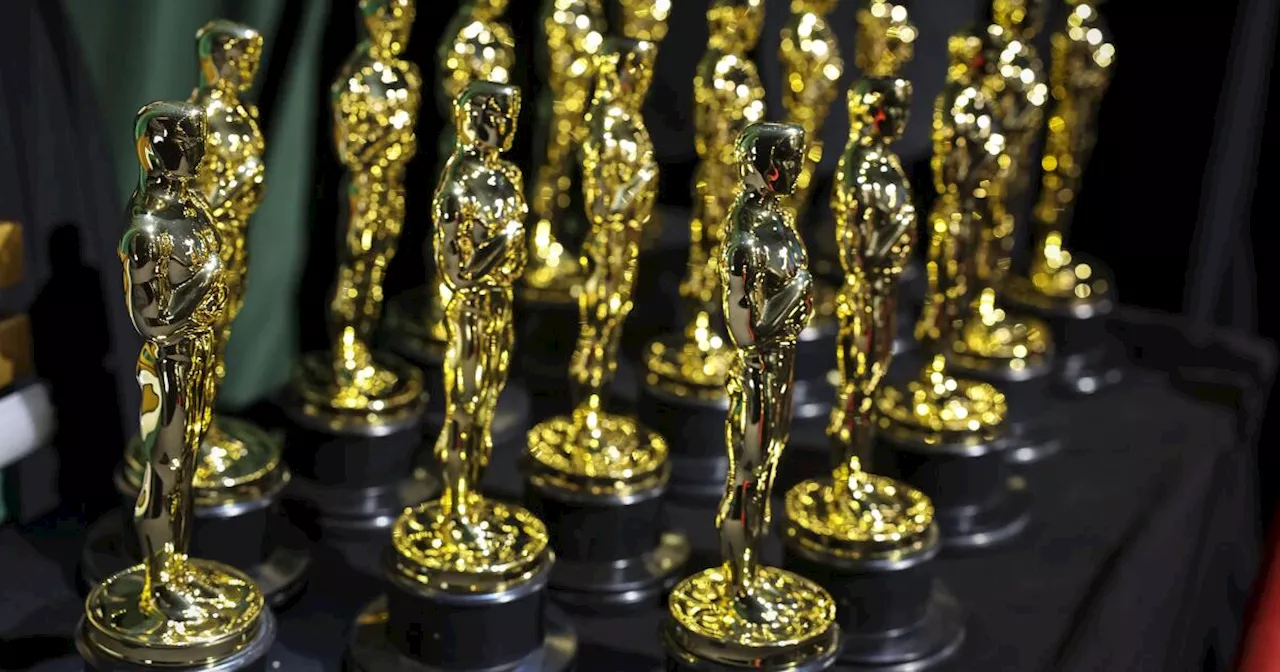
New Jersey Stars Shine Bright as Oscars 2026 Race Heats Up
From record-breaking nominations to homegrown talent in the spotlight, the Garden State’s imprint on Hollywood’s biggest night has never been more vibrant.

From record-breaking nominations to homegrown talent in the spotlight, the Garden State’s imprint on Hollywood’s biggest night has never been more vibrant.
As the countdown to the 98th Academy Awards accelerates toward March 15, 2026, the Oscars race is already ablaze with compelling stories, historic achievements, and deep ties to New Jersey’s rich entertainment legacy. This year’s nominees were revealed on January 22, 2026, and one film in particular has seized headlines, while multiple New Jersey natives and locally filmed productions have cemented the state’s presence on cinema’s grandest stage.
A Record-Breaking Year:
Sinners Dominates
The horror-drama Sinners, directed by Ryan Coogler, made Oscar history by earning 16 Academy Award nominations — the most for any film in Academy history, surpassing classics like Titanic and La La Land.
The nominations span all major categories, including Best Picture, Best Director, Best Actor, and Best Original Screenplay, firmly establishing Sinners as the film of the season. Its lead star, Michael B. Jordan, hailed as one of Hollywood’s most compelling actors, earned his first ever Best Actor nomination for his dual performance in the film, propelling him and his work into awards-season superstardom.
Industry buzz has only grown louder, with influential figures like Marvel Studios boss Kevin Feige championing Sinners as a worthy Best Picture favorite, a rare and remarkable endorsement that underscores how widely the film has resonated within Hollywood.
New Jersey Connections at the Oscars
While Sinners garners global acclaim, New Jersey has its own constellation of Oscar hopefuls. According to local reporting, several nominees boast strong Garden State roots:
- Ethan Hawke, a West Windsor native, received a Best Actor nomination for his role in Blue Moon, a biographical drama that also nominated fellow New Jersey resident Robert Kaplow for Best Original Screenplay.
- Two films with deep New Jersey production ties, Marty Supreme and Song Sung Blue, cumulatively earned 10 Oscar nominations, showcasing the state as a filming location of choice in 2025.
- Marty Supreme, starring Timothée Chalamet, landed major nominations across categories including Best Picture and Best Screenplay.
- Song Sung Blue, shot around Monmouth County, NJ, received a Best Actress nod, spotlighting the real-life musical narrative rooted in Neil Diamond’s legacy.
This remarkable slate of nominations reflects not only individual talent but also New Jersey’s evolution as a film production hub, thanks to state incentives, diverse locations, and a thriving local crew community.
🌍 Beyond the Garden State: A Global Awards Atmosphere
While New Jersey’s presence is significant, the Oscars stage also features a captivating array of global cinema. Ten films made the cut for Best Picture, a competitive field that blends blockbuster spectacle with poignant storytelling. Alongside Sinners, contenders include One Battle After Another, Hamnet, Marty Supreme, Frankenstein, and more, each commanding critical acclaim and awards buzz.
In the acting categories, nominees range from beloved veterans like Leonardo DiCaprio and Emma Stone to breakout contenders such as Teyana Taylor and Rose Byrne, building a diverse mix of performances that have captivated audiences and critics alike.
The Oscars on the Horizon
As the awards season unfolds, with Critics’ Choice, Guild, and other precursor ceremonies already contributing to momentum, the anticipation for March 15, 2026 continues to build. Hosted once again by Conan O’Brien, this Oscars ceremony promises not only unforgettable moments but a celebration of cinematic achievements that reflect the industry’s creative evolution.
For fans in New Jersey and beyond, the 98th Academy Awards represent more than Hollywood’s biggest night. They are a reminder of how local stories, talent, and filmmaking energy are woven into the fabric of global culture, from Garden State roots to golden statuette dreams.







Celebrity
Southside Johnny: The Grandfather of the New Jersey Sound
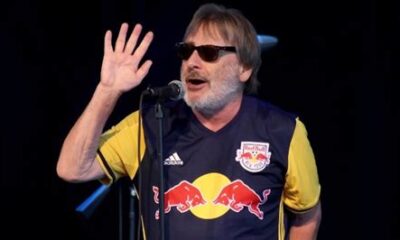
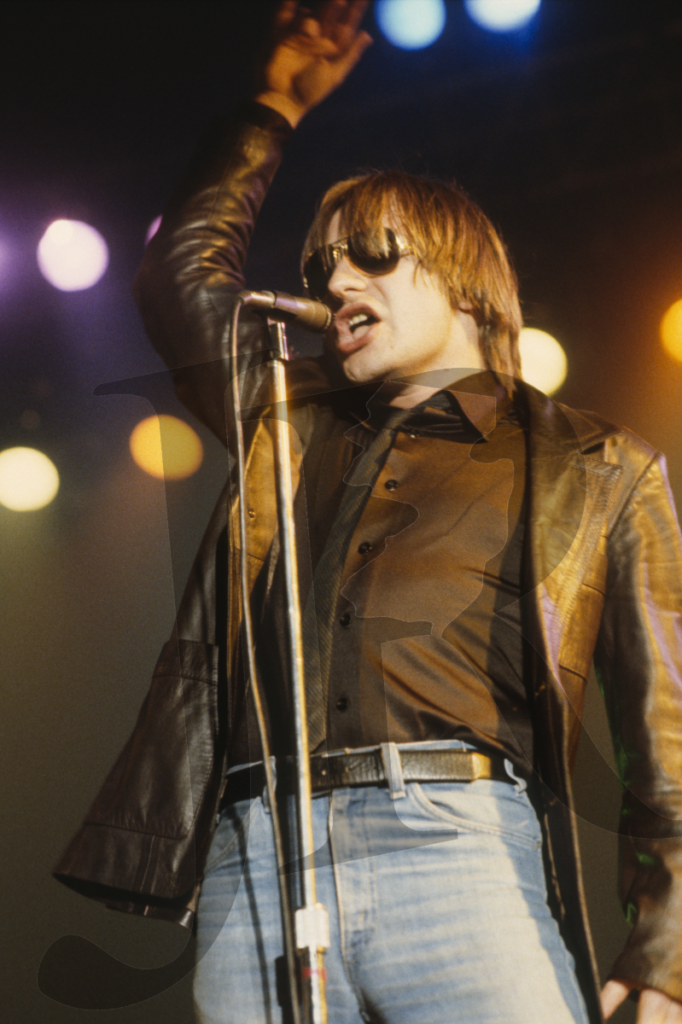
Few artists capture the soul of the Garden State the way Southside Johnny does. Born John Lyon on December 4, 1948, in Neptune, New Jersey, and raised in nearby Ocean Grove, Southside Johnny’s rise from local club stages to becoming a living legend of the Jersey music scene is as authentic and storied as the very boardwalks he once played beside.
Why the Jersey Shore legend earns his place on the NJ Celebrity Fame Wall
Few artists capture the soul of the Garden State the way Southside Johnny does. Born John Lyon on December 4, 1948, in Neptune, New Jersey, and raised in nearby Ocean Grove, Southside Johnny’s rise from local club stages to becoming a living legend of the Jersey music scene is as authentic and storied as the very boardwalks he once played beside.
A Jersey Born and Raised Sound
Southside Johnny didn’t just make music, he helped define what people now celebrate as the Jersey Shore sound. Emerging from the vibrant Asbury Park music scene in the 1970s, he co-founded Southside Johnny & the Asbury Jukes, a band that blended stones-tinged rock ’n’ roll with soul, R&B, and horn-driven rhythm, a style that came to characterize the local musical identity.
The band was a staple at The Stone Pony in Asbury Park, a venue that itself has become synonymous with Jersey music lore, and their early albums; like I Don’t Want to Go Home and Hearts of Stone , helped elevate the Jersey Shore sound into a wider national spotlight.
A Legacy of Influence
Southside Johnny’s influence rippled far beyond bar gigs and regional tours. He was a mentor and touchstone for future stars; Jon Bon Jovi has credited him as his “reason for singing,” and his collaborations with Bruce Springsteen and Steven Van Zandt tied the Asbury Park scene’s major talents together in a shared musical heritage.
After decades of touring, recording, and performing globally, the impact of Southside Johnny’s music reverberated not just through the Northeast but across generations of fans and artists. In recognition of his cultural contributions, he was inducted into the New Jersey Hall of Fame with the Class of 2018, an honor reflecting his deep roots in the state’s artistic legacy.
A True Jersey Icon
What makes Southside Johnny especially worthy of a place on thejerseyreview.com’s NJ Celebrity Fame Wall isn’t just his longevity or his catalog, it’s how intrinsically his story is tied to New Jersey’s identity. His music evokes the grit, soul, and rugged charm of the Shore; his journey mirrors the ups and downs of the local music scene; and his influence stretches from Asbury Park’s dive bars to arenas and concert halls around the world.
From Neptune to international stages, Southside Johnny’s sound truly is New Jersey, and that’s exactly why he belongs on the Fame Wall.
Celebrity
Mark Wahlberg: From Troubled Teen to Faith-Driven Hollywood Voice
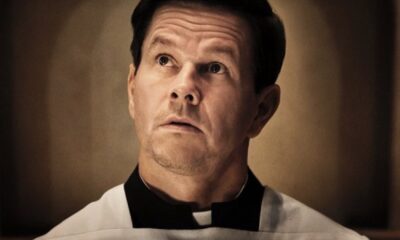
You might know Mark Wahlberg for his intense action roles, boy-band beginnings, or for being the only person in Hollywood who can blend a perfectly pressed shirt with daily Mass. But underneath the blockbusters and muscle, there’s a spiritual story that’s as compelling as any movie script, one rooted deeply in faith, redemption, and a desire to make his life matter beyond box office numbers.
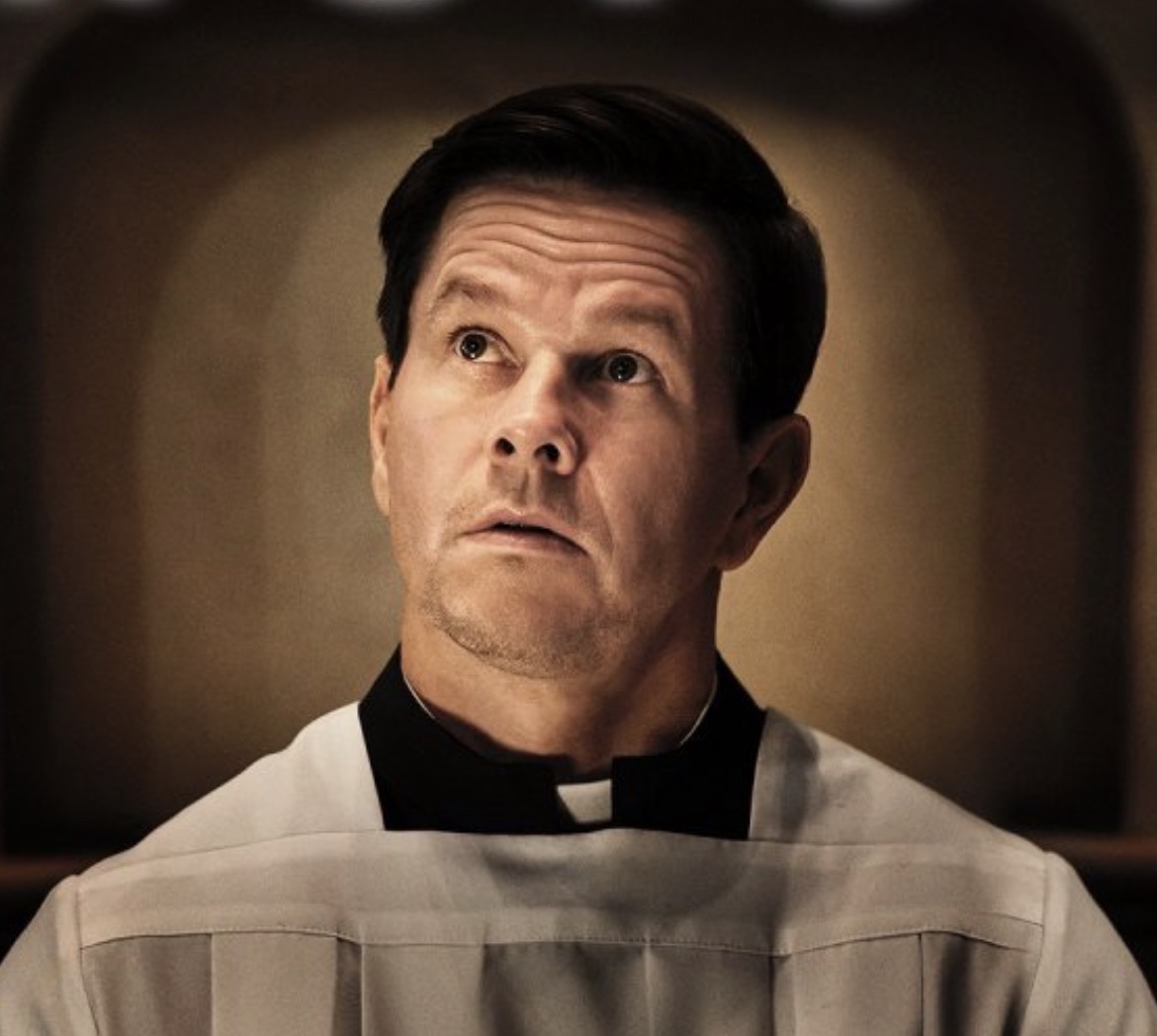
You might know Mark Wahlberg for his intense action roles, boy-band beginnings, or for being the only person in Hollywood who can blend a perfectly pressed shirt with daily Mass. But underneath the blockbusters and muscle, there’s a spiritual story that’s as compelling as any movie script, one rooted deeply in faith, redemption, and a desire to make his life matter beyond box office numbers.
At his core, Wahlberg often says faith isn’t a part of his life, it’s the center of it.
A Catholic Foundation That Changed Everything
Wahlberg wasn’t always the devout figure we see today. Born and raised outside Boston, he lived through serious early-life upheaval, from school dropout days to legal trouble as a teen. But it was during this rough patch that his faith first found real meaning.
“Being Catholic is the most important part of my life” – Mark Wahlberg
As Wahlberg himself candidly relates, he credits the Catholic Church, daily prayer, and spiritual discipline for helping him turn his life around. “Being Catholic is the most important part of my life,” he’s said on more than one occasion.
For him, prayer isn’t a weekly checkbox, it’s an everyday habit. Outside of Mass, he places great emphasis on starting his day on his knees, giving thanks, seeking clarity, and setting his focus before the chaos of life kicks in.
Faith in Hollywood: Not Pop Culture, But Personal Truth
In an industry that often sidelines faith and spirituality, Wahlberg refuses to play by Hollywood’s “silent” rulebook. On talk shows and interviews, he consistently expresses how his faith underpins his worldview, even when it might seem countercultural in celebrity circles. “I will not hide the fact that I love the Lord,” he shared in a heartfelt discussion about religion and fame.
Look, I will not hide the fact that I love the Lord and I want to be committed to serving the Lord…” – Mark Wahlberg
This unapologetic stance hasn’t always been easy. Wahlberg himself has said boldly that faith can be unpopular in his industry, but that doesn’t stop him from living it publicly. And for him, it’s not about converting others by force, but about living authentically and letting his actions speak louder than words.
Turning Movies Into Missions
One of the most visible ways Wahlberg expresses his faith is through his work, both on and off the screen.
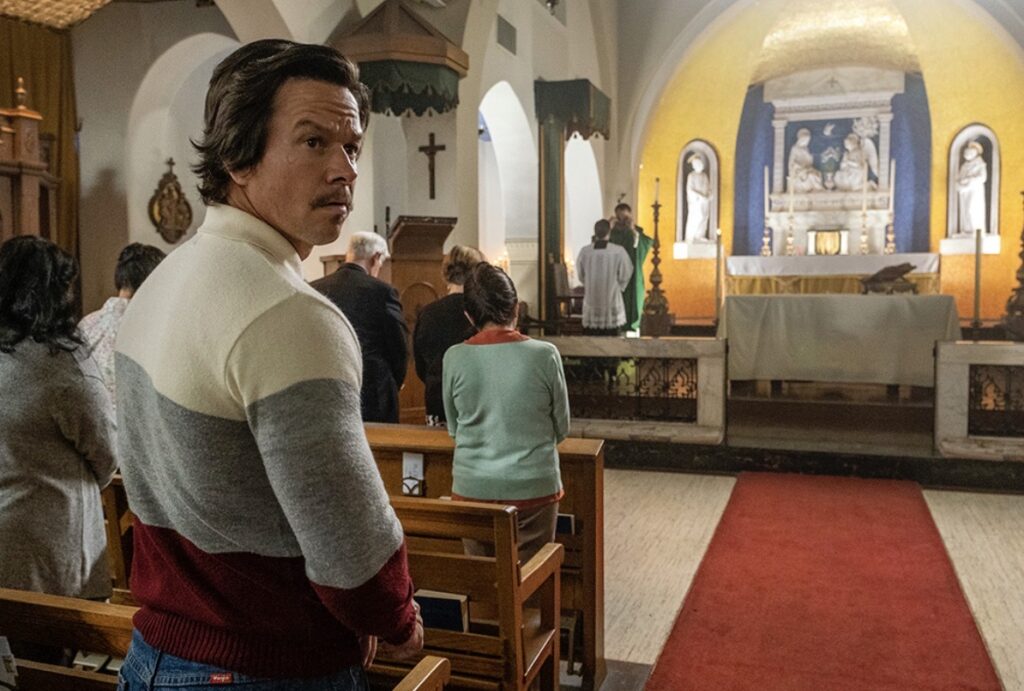
In 2022, he co-produced and starred in Father Stu, a biographical drama about a boxer’s unexpected journey to priesthood. The story, steeped in themes of transformation and grace, isn’t just another film project for Wahlberg, it’s a reflection of his own spiritual heartbeat, aligned with his belief that stories of redemption deserve to be told.
His goal with the film wasn’t fame or profit — it was impact. Wahlberg openly hoped “Father Stu” might inspire people to consider their own faith journeys, vocations, and places in the world. He’s said he wanted the film to remind audiences that it’s never too late to change.
Daily Devotion, Not PR Stunt
Wahlberg’s faith isn’t a weekend hobby; it’s woven into his daily rhythm.
He’s known to begin every day with prayer and Scripture, regardless of where he is. Even if he can’t make daily Mass, he’ll stop at a church and spend quality time in silent prayer, a discipline he credits with keeping him grounded, humble, and focused on what truly matters.
And it isn’t just for show. Wahlberg talks openly about why he prays, not for fame or success, but for deeper transformation. “God didn’t come to save the saints, He came to save the sinners,” he once explained, reminding listeners that faith is about humility as much as hope.
Giving Back: The Mark Wahlberg Youth Foundation
Faith isn’t meant to remain inward; for Wahlberg, it flows outward into tangible action.
Back in 2001, he launched the Mark Wahlberg Youth Foundation, a charity aimed at helping young people, especially those from underprivileged areas, gain access to opportunity and enrichment programs.
The foundation reflects his own journey: he knows firsthand how pivotal guidance and support can be for kids who might otherwise fall through the cracks. Through mentorship, community programs, and outreach, the charity embodies what Wahlberg calls faith in motion — not just praying for change, but being part of it.
He’s also been active with efforts like The Good Shepherd Center for Homeless Women and Children, extending help to families facing hardship, again reflecting his belief that faith should manifest in compassion and service.
A Spiritual Legacy More Than a Hollywood One
Mark Wahlberg has built a career millions admire. But if there’s one thing he’ll tell you he values more than his biggest box office hit, it’s the depth of his faith journey.
From a rough youth to a grounded adult who starts every day with prayer, makes films with purpose, and channels his success into helping others – Wahlberg shows that faith isn’t just a part of life. For him, it’s the story beneath the story.
And in a world hungry for meaning beyond fame and likes, that’s a narrative that resonates.
Celebrity
Robert Duvall, Oscar-Winning Actor and Master of American Character, Dies at 95
Robert Duvall didn’t just act, he listened. He listened to a scene the way a great musician listens for the pocket, then slipped into it so naturally you’d swear the camera simply caught a real man mid-life. Today, that rare kind of presence leaves the world: Duvall has died at 95, peacefully at home in Middleburg, Virginia, with his wife Luciana by his side.
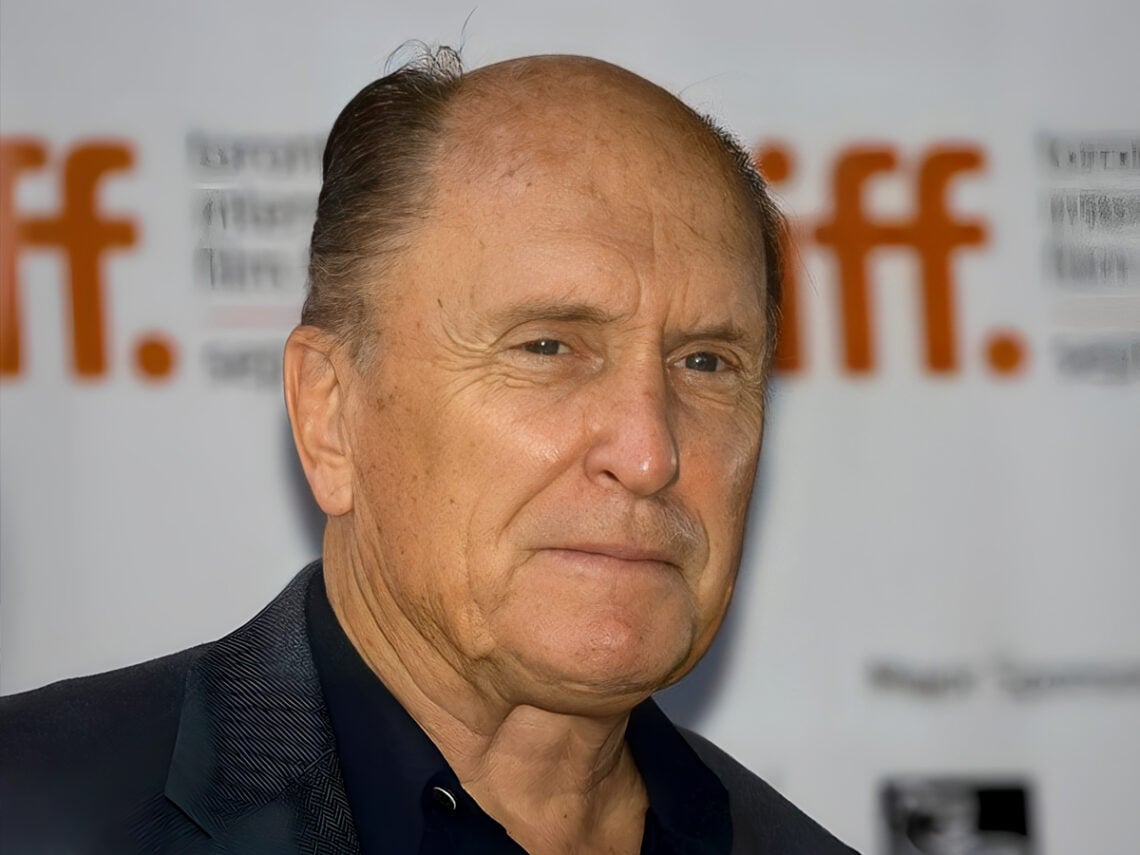
Robert Duvall didn’t just act, he listened. He listened to a scene the way a great musician listens for the pocket, then slipped into it so naturally you’d swear the camera simply caught a real man mid-life. Today, that rare kind of presence leaves the world: Duvall has died at 95, peacefully at home in Middleburg, Virginia, with his wife Luciana by his side.
He was born January 5, 1931, in San Diego, Navy family, moving with the rhythms of duty and distance, the kind of upbringing that can make you observant by necessity. That background mattered, not as trivia, but as texture: Duvall had a lifelong gift for men who carried authority and weariness in the same breath—leaders, lifers, fighters, and faithful strivers whose words didn’t always tell you what their eyes already had.
His career stretched across seven decades, and yet it’s hard to think of him as “a star” in the usual way. Stars often announce themselves. Duvall did something braver: he disappeared. Think of Tom Hagen in The Godfather—the consigliere with the calm voice and the heavy job, the man who could translate rage into strategy without raising his volume. Or Lt. Col. Kilgore in Apocalypse Now, all swagger and sunburnt myth, a character so outsized he became cultural shorthand, yet Duvall still grounded him with a soldier’s specificity, as if he’d met that guy in real life and never forgotten him.
If you want the purest evidence of his greatness, though, look at the performances that don’t flex. Boo Radley, nearly silent, almost spectral, but unforgettable. Years later, Alec Baldwin would remember that quiet power and the way Duvall could dominate a film without demanding it. It takes a particular kind of confidence to underplay a moment that lesser actors would decorate. Duvall trusted the audience. He trusted the truth.
And then there’s Tender Mercies, the role that earned him the Academy Award for Best Actor in 1984. Mac Sledge isn’t a man on a victory lap. He’s scraped raw by life, trying to live forward anyway. Duvall played him with a humility that felt almost radical: not a performance trying to be admired, but a human being trying to be better.
That theme, “hard grace,” ran through the work. In The Apostle, Duvall didn’t just star; he wrote and directed, too, pouring something personal into a story about faith, failure, and the stubborn hope of redemption. Even people who didn’t share the character’s beliefs could recognize the heartbeat: the longing to be forgiven, the urge to build something holy out of what’s broken.
Off-screen, the details people keep repeating today aren’t the flashy ones. They’re the human ones. The way he prepared, meticulously, like craft mattered. The way he stayed curious, about character, about movement, about art forms beyond Hollywood. He loved tango enough to make it a chapter of his creative life, culminating in a film built around that passion. That’s not a celebrity hobby; that’s a person still learning, still reaching.
And look at the range,
because “versatile” is too small a word for what he did. In one lifetime he could be a quietly effective corporate attorney, a grizzled cattleman, a Cuban barber, a tobacco-company kingpin, a general, a judge, a preacher, a fixer. The connective tissue wasn’t plot or genre. It was that Duvall always found the private weather inside the man.
Today’s tributes keep circling back to the same point: he made other actors better. Adam Sandler, who worked with him late in Duvall’s career, called him one of the greatest, and spoke with real affection about the joy of being around him. That matters, because it’s easy to respect greatness from a distance. It’s rarer to miss the person.
Luciana’s words—shared as the world began to absorb the news—cut through everything: the simplicity of a wife naming what a life meant to her, and what a home felt like with him in it. In the end, for all the iconic roles and awards, that’s the final close-up: a man loved, fully, not as an image but as a presence.
Robert Duvall leaves behind a library of performances—whole shelves of American cinema that would be thinner, weaker, less honest without him. But his truest legacy might be quieter: he reminded us that the smallest choices—a pause, a glance, a breath held back—can tell the biggest truths. He made room for humanity on screen, and he did it so well that we mistook it for life itself.
Rest easy, Bob. And thank you—for the dignity, the fire, the tenderness, and the craft.

2026 Election Cycle Begins to Take Shape as Key Issues Come Into Focus
New Jersey Fame Wall

The Captive: A Chilling Thriller About the Fight to Protect the Innocent

Why New Jersey Is Quietly Becoming a Magnet for Filmmakers

Faith, Politics, and the “Christ Is King” Debate: Why Ted Cruz’s Remarks Sparked a Christian Backlash

The Silent Epidemic: Why Your Child’s Future Hangs in the Balance:

Seaside Heights Polar Bear Plunge Returns March 14 — Here’s Exactly What to Know Before

9 Can’t-Miss Events This March in New Jersey

Southside Johnny: The Grandfather of the New Jersey Sound

The Green Light Is Back On: Belmar–Lake Como St. Patrick’s Day Parade Rescheduled for Saturday, March 28
The Captive: A Chilling Thriller About the Fight to Protect the Innocent

Alice In Chains

Tucker Carlson

Solo Mio Behind the Scenes (BTS)

NJ Film Expo 2025: A Breakout Moment for New Jersey’s Filmmaking Future

-
 Entertainment2 months ago
Playwright & Filmmaker Tom Cavanaugh Named Finalist for 2026 TASTE Awards Following Recognition in Asbury Park
-

 Celebrity3 months ago
New Jersey Celebrities
-
 Editorial3 weeks ago
The Silent Epidemic: Why Your Child’s Future Hangs in the Balance:
-
 Events & Festivals4 weeks ago
Seaside Heights Polar Bear Plunge Returns March 14 — Here’s Exactly What to Know Before
-
 Celebrity2 months ago
Garden State Icon Bruce Springsteen Teams Up with Barack Obama in “Renegades: Born in the USA” – A Liberal Echo Chamber in Print
-
 Celebrity1 month ago
The Erosion of American Values: Bruce Springsteen’s Red Bank Rant and Hollywood’s Assault on Law and Order
-

 Entertainment1 month ago
Diane Raver and the Vision That Built the Garden State Film Festival
-
 Entertainment1 month ago
Solo Mio Behind the Scenes (BTS)