Connect with us

Entertainment

Why 2025 Might Be the Year New Jersey Film Finally Breaks Through

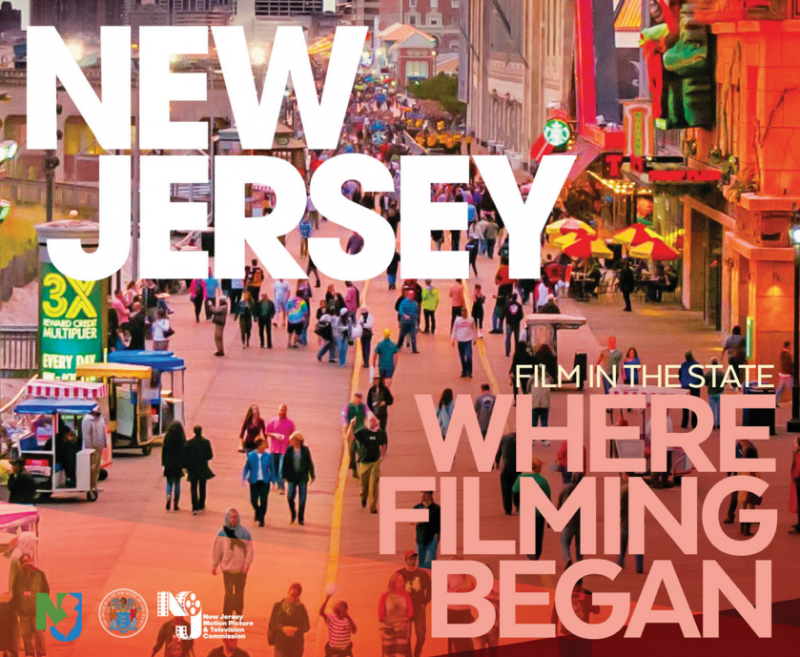
New Jersey’s Film and Digital Media Tax Credit Program remains one of the most competitive in the country, offering up to 35% transferable tax credits for qualified film and television productions, with additional bonuses for diversity and certain geographic zones. Since its expansion in 2018 and extension through 2034, the program has attracted billions in production spending and drawn projects that might once have bypassed the state entirely.

Editor-in-Chief

Published

on

Film

For decades, New Jersey has existed in film’s orbit — close enough to New York to serve as a backdrop, distinct enough to have its own identity, yet rarely positioned as the industry’s main stage. In 2025, that may finally be changing.

The catalyst? Infrastructure, incentives, and momentum aligning at the same time.

New Jersey’s Film and Digital Media Tax Credit Program remains one of the most competitive in the country, offering up to 35% transferable tax credits for qualified film and television productions, with additional bonuses for diversity and certain geographic zones. Since its expansion in 2018 and extension through 2034, the program has attracted billions in production spending and drawn projects that might once have bypassed the state entirely.

But tax incentives alone don’t create an industry — studios do.

The expansion of major production facilities across the state has been game-changing. Netflix’s commitment to transform the former Fort Monmouth property into a major East Coast production hub signals long-term investment. Lionsgate’s studio presence in Newark and additional soundstage developments across Hudson and Monmouth Counties reflect a growing ecosystem, not just isolated projects.

And perhaps most importantly, independent producers are no longer waiting for permission.

New Jersey-based filmmakers are developing, financing, and shooting projects locally with increasing confidence. Companies like The Chris Vaughn Company and other emerging production collectives are proving that regional storytelling can resonate nationally. With accessible technology, streaming demand, and smarter distribution strategies, the barrier to entry has shifted.

Evan Blaze is a Jersey Shore based editor and writer focused on coastal culture, local arts, and the evolving character of communities along the New Jersey coastline. With a background shaped by years spent around the water and small creative circles along the shore, he brings a grounded perspective to stories about music, independent film, neighborhood businesses, and the people who keep local culture alive. Known for balancing a laid-back coastal sensibility with a sharp editorial eye, Evan works to highlight authentic voices and emerging talent across the region. His work often explores the intersection of surf culture, live music, and the everyday rhythm of shore towns, capturing the energy that defines life along the Atlantic. When he’s not editing stories or working with contributors, he can usually be found near the water, checking the surf, walking the boardwalk at sunrise, or tracking down the next local story worth telling.

Entertainment

The Captive: A Chilling Thriller About the Fight to Protect the Innocent

Silver Screener

Published

on

The Jersey Review - The Captive Film Review

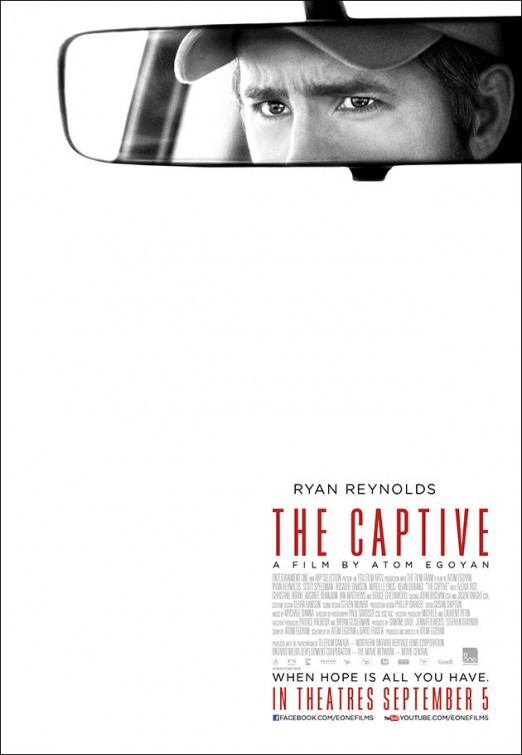
In an era when many thrillers rely on spectacle rather than substance, The Captive stands out as a tense and emotionally driven film that tackles one of society’s darkest crimes: the exploitation of children by predators who operate in the shadows. Starring Ryan Reynolds, the film delivers a gripping narrative that is less about action and more about the devastating emotional impact of a child’s disappearance and the relentless pursuit of justice.


Directed by Atom Egoyan, The Captive follows the story of Matthew Lane (Reynolds), a father whose life is shattered when his young daughter Cassandra vanishes during what should have been an ordinary afternoon. Years later, new clues emerge suggesting that Cassandra may still be alive and held by a secretive network of criminals involved in child exploitation.

What makes The Captive particularly unsettling; and compelling, is its portrayal of how predators can operate quietly within society. Rather than presenting villains as obvious monsters, the film shows how manipulative and calculating such individuals can be. The criminals in the story exploit technology, secrecy, and psychological manipulation to maintain control over their victims. In doing so, the film reminds viewers that these crimes often happen far from the public eye, hidden behind seemingly normal lives.

Ryan Reynolds delivers one of the most serious performances of his career in the role of Matthew. Known to many audiences for his comedic timing and charismatic roles, Reynolds shifts dramatically here, portraying a father consumed by grief, guilt, and determination. His performance captures the quiet desperation of someone who refuses to give up hope, even when the world around him begins to move on.


The film’s storytelling structure is deliberately fragmented, moving back and forth through time as investigators piece together the truth about Cassandra’s disappearance. This approach mirrors the uncertainty faced by families and law enforcement in real-life missing persons cases, where answers often emerge slowly and painfully.

While the subject matter is undeniably dark, the film ultimately focuses on resilience and the determination to confront evil rather than ignore it. Law enforcement characters in the film work tirelessly to unravel the network responsible for Cassandra’s captivity, emphasizing the importance of vigilance and cooperation in protecting vulnerable children.

Visually, The Captive uses stark winter landscapes and subdued lighting to reinforce its atmosphere of isolation and tension. The cold, snowy environment becomes a metaphor for the emotional emptiness left behind when a child disappears.

What also sets the film apart is its willingness to explore the psychological dimension of captivity. Rather than presenting victims as passive figures, the story examines the emotional survival and inner strength required to endure unimaginable circumstances.

Although The Captive is not a conventional action thriller, its slow-burning intensity keeps viewers engaged from beginning to end. It is a film that provokes reflection as much as suspense, reminding audiences that the fight against exploitation and abuse requires awareness, courage, and perseverance.

For viewers seeking a thoughtful thriller with emotional depth, The Captive offers a powerful story about the lengths people will go to protect the innocent—and the importance of never giving up hope.

Continue Reading

Features

Why New Jersey Is Quietly Becoming a Magnet for Filmmakers

Silver Screener

Published

on

For decades, New Jersey has appeared on the big screen, from the gritty streets of Newark to the boardwalks of the Jersey Shore. But in recent years, the Garden State has experienced a renewed surge in film and television production, one that is turning the state into an increasingly attractive destination for filmmakers. While Hollywood and New York have traditionally dominated the industry, New Jersey is quietly building momentum as a hub for both independent and large-scale productions.


A major factor behind this resurgence is the state’s Film and Digital Media Tax Credit Program, which was expanded in recent years to encourage more productions to shoot in New Jersey. The incentive offers tax credits to film, television, and digital media companies that choose to film within the state, helping offset production costs and making New Jersey competitive with other filming locations across the country.

nj-tax credit- The Jersey Review

Since the expansion of the program, production activity has grown significantly. Major studios and streaming platforms have taken notice, with projects from companies such as Netflix, Amazon Studios, and Apple TV+ filming throughout New Jersey. Large studio developments, including Netflix’s planned expansion at the historic Fort Monmouth property in Monmouth County, have further signaled the state’s growing role in the entertainment industry.

But it’s not just major studios benefiting from New Jersey’s filmmaking revival. Independent filmmakers are also finding the state to be an ideal place to produce projects. One reason is the incredible diversity of locations available within a relatively small geographic area. Filmmakers can move from urban cityscapes in Jersey City and Newark to quiet suburban neighborhoods, farmland, forests, or coastal towns in a matter of hours.


For independent productions working with tight schedules and budgets, that kind of accessibility can be invaluable.

Another key part of New Jersey’s growing film culture is its network of film festivals and local creative communities. Events like the Garden State Film Festival in Asbury Park provide emerging filmmakers with opportunities to screen their work, meet collaborators, and connect with audiences. Festivals often serve as launching pads for independent films, helping directors gain recognition and industry attention.

The Jersey Review - Diane Raver

The Garden State Film Festival, now more than two decades old, has become one of the most respected independent film festivals in the Northeast. Each year it draws filmmakers from across the country and around the world, all eager to share their stories with audiences along the Jersey Shore. Screenings take place across multiple venues in Asbury Park, transforming the city into a temporary gathering place for artists, producers, actors, and film fans.

Local colleges and film schools are also contributing to the state’s growing reputation. Students studying film, media, and digital production are increasingly staying in New Jersey after graduation rather than relocating to other cities. As more productions choose to shoot in the state, young filmmakers are finding opportunities closer to home.

All of these elements; tax incentives, diverse filming locations, supportive festivals, and a growing creative workforce, are combining to create a new era for filmmaking in New Jersey.


For audiences, the result is exciting: more films made in their own communities and more opportunities to experience independent cinema up close. And for filmmakers, New Jersey is proving that sometimes the best place to tell a story is right here in the Garden State

Continue Reading

Entertainment

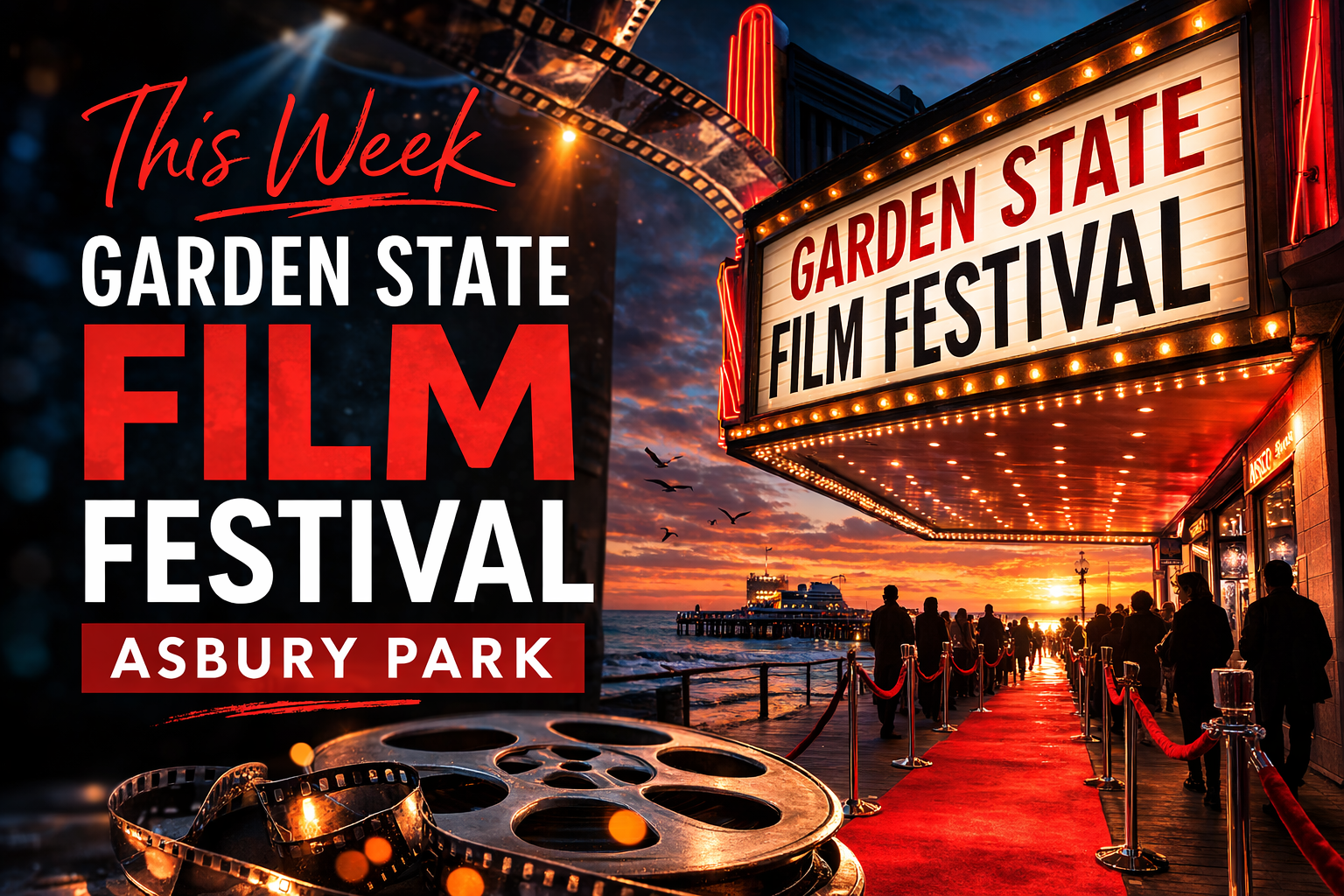
Garden State Film Festival Returns to Asbury Park: Celebrating Independent Film on the Jersey Shore

Silver Screener

Published

on

gsff-2026-this week - The Jersey Review

Every spring, filmmakers, actors, and film enthusiasts converge on the Jersey Shore for one of New Jersey’s most respected cultural events: the Garden State Film Festival (GSFF). The festival returns to Asbury Park this March, bringing with it several days of screenings, panels, networking events, and red-carpet moments that celebrate independent cinema from around the world.


Founded in 2002, the Garden State Film Festival has grown into one of the Northeast’s premier showcases for independent film. What began as a modest gathering of filmmakers has expanded into a multi-venue event attracting thousands of attendees each year. Today, the festival screens dozens of films; from feature-length narratives and documentaries to experimental shorts and student projects, offering audiences a rare opportunity to see new voices in filmmaking before they reach wider audiences.

GSFF 2026 - The Jersey Review

This year’s festival will once again take place across several iconic locations in downtown Asbury Park, including the historic Berkeley Oceanfront Hotel, where many screenings and industry panels are held. Additional venues throughout the city host film blocks, special presentations, and networking events, creating a lively festival atmosphere that spreads across the boardwalk and surrounding streets.

For filmmakers, the Garden State Film Festival represents more than just a screening opportunity. Festivals like GSFF provide a vital platform for independent artists to connect with audiences, critics, distributors, and other creatives. Many directors consider festival screenings the first real test of their work, watching how an audience responds to a story that may have taken years to develop.

The festival also places a strong emphasis on education and mentorship. Throughout the weekend, panels and workshops allow aspiring filmmakers to hear directly from industry professionals about topics such as screenwriting, directing, financing, and navigating the ever-changing landscape of film distribution. Students and emerging filmmakers from New Jersey often attend these sessions to gain insights into careers in film and media.

Asbury Park itself plays an important role in the event’s appeal. Known for its vibrant arts scene and deep musical history, the city provides an ideal backdrop for a festival centered on creativity. Attendees often move between screenings and the city’s restaurants, cafés, and music venues, creating a unique blend of film culture and Shore-town energy.

The festival’s programming also reflects a commitment to diversity in storytelling. Films presented at GSFF frequently explore themes ranging from social justice and personal identity to historical narratives and experimental visual storytelling. By highlighting both international productions and local filmmakers, the festival helps strengthen New Jersey’s reputation as a growing hub for creative production.

In recent years, the state has experienced renewed interest from film and television productions thanks in part to expanded tax incentives and infrastructure investments. Independent filmmakers, in particular, have found New Jersey’s varied landscapes; from urban centers to coastal towns – ideal for telling distinctive stories.

For audiences, the Garden State Film Festival offers something simple yet powerful: the chance to discover films that may not appear in traditional theaters. For filmmakers, it offers something even more valuable, an audience ready to listen.

As the lights dim and the first films begin to roll this weekend in Asbury Park, one thing is certain: the Garden State Film Festival continues to prove that great storytelling can emerge from anywhere, especially when a community shows up to support it.

Continue Reading

Trending