Connect with us

Features

Why New Jersey Is Quietly Becoming a Magnet for Filmmakers

Silver Screener

Published

on

For decades, New Jersey has appeared on the big screen, from the gritty streets of Newark to the boardwalks of the Jersey Shore. But in recent years, the Garden State has experienced a renewed surge in film and television production, one that is turning the state into an increasingly attractive destination for filmmakers. While Hollywood and New York have traditionally dominated the industry, New Jersey is quietly building momentum as a hub for both independent and large-scale productions.


A major factor behind this resurgence is the state’s Film and Digital Media Tax Credit Program, which was expanded in recent years to encourage more productions to shoot in New Jersey. The incentive offers tax credits to film, television, and digital media companies that choose to film within the state, helping offset production costs and making New Jersey competitive with other filming locations across the country.

nj-tax credit- The Jersey Review

Since the expansion of the program, production activity has grown significantly. Major studios and streaming platforms have taken notice, with projects from companies such as Netflix, Amazon Studios, and Apple TV+ filming throughout New Jersey. Large studio developments, including Netflix’s planned expansion at the historic Fort Monmouth property in Monmouth County, have further signaled the state’s growing role in the entertainment industry.

But it’s not just major studios benefiting from New Jersey’s filmmaking revival. Independent filmmakers are also finding the state to be an ideal place to produce projects. One reason is the incredible diversity of locations available within a relatively small geographic area. Filmmakers can move from urban cityscapes in Jersey City and Newark to quiet suburban neighborhoods, farmland, forests, or coastal towns in a matter of hours.


For independent productions working with tight schedules and budgets, that kind of accessibility can be invaluable.

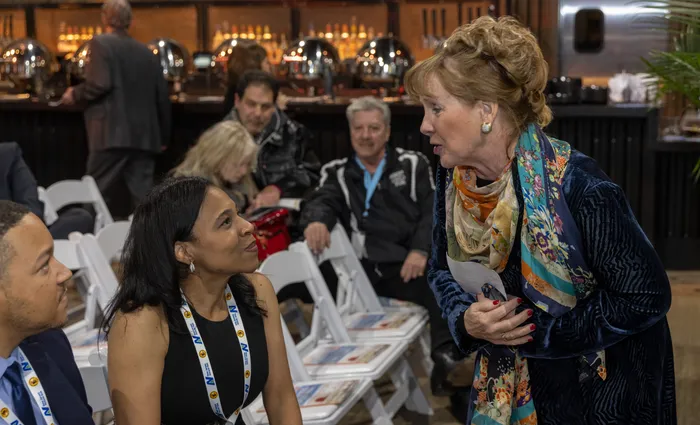
Another key part of New Jersey’s growing film culture is its network of film festivals and local creative communities. Events like the Garden State Film Festival in Asbury Park provide emerging filmmakers with opportunities to screen their work, meet collaborators, and connect with audiences. Festivals often serve as launching pads for independent films, helping directors gain recognition and industry attention.

The Jersey Review - Diane Raver

The Garden State Film Festival, now more than two decades old, has become one of the most respected independent film festivals in the Northeast. Each year it draws filmmakers from across the country and around the world, all eager to share their stories with audiences along the Jersey Shore. Screenings take place across multiple venues in Asbury Park, transforming the city into a temporary gathering place for artists, producers, actors, and film fans.

Local colleges and film schools are also contributing to the state’s growing reputation. Students studying film, media, and digital production are increasingly staying in New Jersey after graduation rather than relocating to other cities. As more productions choose to shoot in the state, young filmmakers are finding opportunities closer to home.

All of these elements; tax incentives, diverse filming locations, supportive festivals, and a growing creative workforce, are combining to create a new era for filmmaking in New Jersey.


For audiences, the result is exciting: more films made in their own communities and more opportunities to experience independent cinema up close. And for filmmakers, New Jersey is proving that sometimes the best place to tell a story is right here in the Garden State

Editorial

2026 Election Cycle Begins to Take Shape as Key Issues Come Into Focus

Editor-in-Chief

Published

on

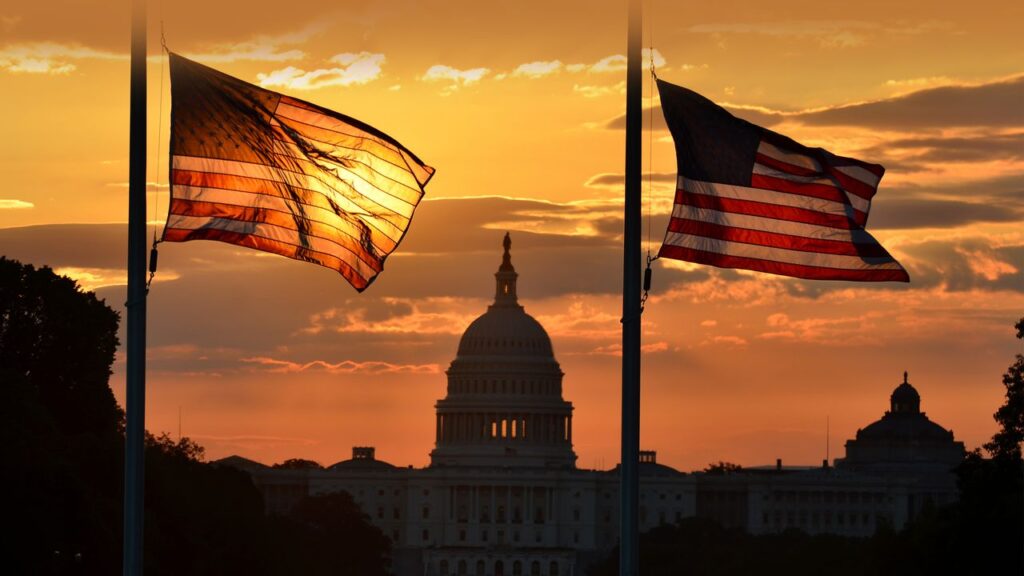
usa politics-the jersey review

As the 2026 election cycle begins to take shape, there is a growing sense across the country that this moment carries more weight than a typical midterm season. Conversations that once felt distant or abstract are now becoming more immediate and personal. For many Americans, the direction of the country is no longer just a political question. It is a question about values, stability, and the kind of future being built for the next generation.

Across communities, especially in suburban and working-class areas, the focus has turned toward everyday realities. Families are paying closer attention to the cost of living, the strength of their local economies, and the sense of security in their neighborhoods. These concerns are not new, but they feel sharper now. There is a growing desire for leadership that reflects a steady hand and a clear understanding of what people are facing in their daily lives.

From a European American cultural perspective, there is also a renewed awareness of heritage, tradition, and the importance of maintaining a sense of continuity. Many voters are not necessarily looking for sweeping change. Instead, they are looking for a return to balance. 

usa politics-the jersey review

They want policies that protect what has worked, while correcting what has clearly gone off course. This includes a stronger emphasis on family life, local community structures, and the role of faith as a stabilizing force.

Church communities, in particular, continue to serve as quiet centers of discussion. While they are not political institutions, they often reflect the concerns of the people who gather there each week. Conversations tend to focus on responsibility, accountability, and the importance of truth. These are not framed as partisan talking points, but as guiding principles that shape how individuals view leadership and public service.

Candidates entering the early stages of the 2026 cycle are beginning to recognize this shift. Messaging is becoming more grounded, with a noticeable effort to speak directly to concerns about economic pressure, border policy, and the overall direction of national identity. There is also a growing emphasis on restoring trust. Many voters feel disconnected from institutions that once held broad confidence, and rebuilding that trust will likely be a central challenge for anyone seeking office.

Economic stability remains one of the most important issues. While national indicators can point to growth in certain sectors, many families are still feeling the strain of higher costs in housing, food, and energy. This gap between reported progress and lived experience is shaping how voters interpret political messaging. People are less interested in statistics and more focused on what they see in their own budgets.

At the same time, there is an increasing interest in local impact. National decisions are no longer viewed in isolation. Voters are asking how policies translate into real outcomes in their own towns and communities. This includes everything from school systems to small business conditions. The connection between federal leadership and local life is becoming more visible, and more important.

There is also a noticeable shift toward personal responsibility and civic engagement. More individuals are attending town meetings, asking questions, and paying closer attention to candidates’ positions. This level of involvement suggests that the 2026 cycle may see a more engaged electorate than in previous years.

What stands out most at this stage is not a single dominant issue, but a broader sense of reevaluation. Many Americans are taking a step back and asking what kind of country they want to live in, and what kind of leadership will help guide that path. For some, that means returning to foundational principles rooted in faith, family, and community. For others, it means seeking practical solutions to complex challenges. In many cases, it is a combination of both.

As the election cycle continues to develop, these early conversations will likely shape the tone and direction of the campaigns that follow. What begins now in small gatherings, local discussions, and early candidate positioning often sets the stage for the national dialogue that unfolds in the months ahead.

Continue Reading

Entertainment

Garden State Film Festival Returns to Asbury Park: Celebrating Independent Film on the Jersey Shore

Silver Screener

Published

on

gsff-2026-this week - The Jersey Review

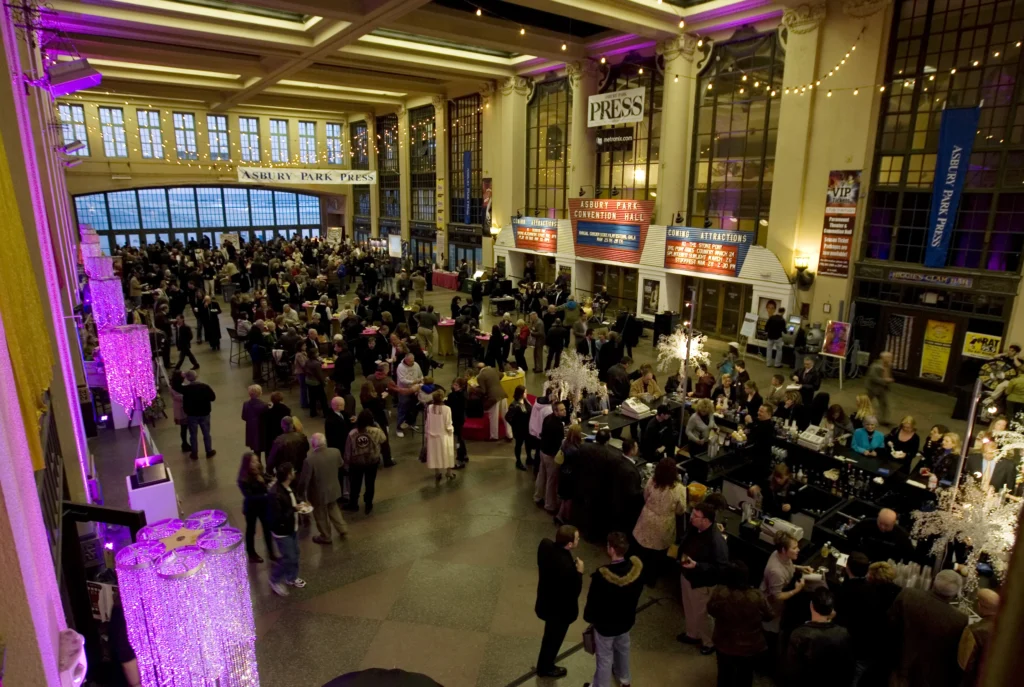
Every spring, filmmakers, actors, and film enthusiasts converge on the Jersey Shore for one of New Jersey’s most respected cultural events: the Garden State Film Festival (GSFF). The festival returns to Asbury Park this March, bringing with it several days of screenings, panels, networking events, and red-carpet moments that celebrate independent cinema from around the world.


Founded in 2002, the Garden State Film Festival has grown into one of the Northeast’s premier showcases for independent film. What began as a modest gathering of filmmakers has expanded into a multi-venue event attracting thousands of attendees each year. Today, the festival screens dozens of films; from feature-length narratives and documentaries to experimental shorts and student projects, offering audiences a rare opportunity to see new voices in filmmaking before they reach wider audiences.

GSFF 2026 - The Jersey Review

This year’s festival will once again take place across several iconic locations in downtown Asbury Park, including the historic Berkeley Oceanfront Hotel, where many screenings and industry panels are held. Additional venues throughout the city host film blocks, special presentations, and networking events, creating a lively festival atmosphere that spreads across the boardwalk and surrounding streets.

For filmmakers, the Garden State Film Festival represents more than just a screening opportunity. Festivals like GSFF provide a vital platform for independent artists to connect with audiences, critics, distributors, and other creatives. Many directors consider festival screenings the first real test of their work, watching how an audience responds to a story that may have taken years to develop.

The festival also places a strong emphasis on education and mentorship. Throughout the weekend, panels and workshops allow aspiring filmmakers to hear directly from industry professionals about topics such as screenwriting, directing, financing, and navigating the ever-changing landscape of film distribution. Students and emerging filmmakers from New Jersey often attend these sessions to gain insights into careers in film and media.

Asbury Park itself plays an important role in the event’s appeal. Known for its vibrant arts scene and deep musical history, the city provides an ideal backdrop for a festival centered on creativity. Attendees often move between screenings and the city’s restaurants, cafés, and music venues, creating a unique blend of film culture and Shore-town energy.

The festival’s programming also reflects a commitment to diversity in storytelling. Films presented at GSFF frequently explore themes ranging from social justice and personal identity to historical narratives and experimental visual storytelling. By highlighting both international productions and local filmmakers, the festival helps strengthen New Jersey’s reputation as a growing hub for creative production.

In recent years, the state has experienced renewed interest from film and television productions thanks in part to expanded tax incentives and infrastructure investments. Independent filmmakers, in particular, have found New Jersey’s varied landscapes; from urban centers to coastal towns – ideal for telling distinctive stories.

For audiences, the Garden State Film Festival offers something simple yet powerful: the chance to discover films that may not appear in traditional theaters. For filmmakers, it offers something even more valuable, an audience ready to listen.

As the lights dim and the first films begin to roll this weekend in Asbury Park, one thing is certain: the Garden State Film Festival continues to prove that great storytelling can emerge from anywhere, especially when a community shows up to support it.

Continue Reading

Entertainment

Inside PHHS Players’ Spring Production of Legally Blonde: The Musical

Jersey Javelin

Published

on

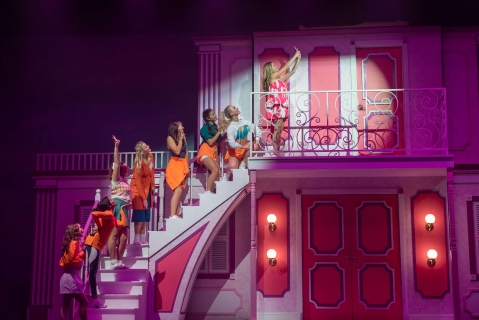
The PHHS Players are bringing a burst of pink energy to the stage with their production of Legally Blonde: The Musical, a lively and empowering show packed with humor, music, and heart.

Based on the novel by Amanda Brown and the beloved film adaptation, the musical follows the journey of Elle Woods, a determined young woman who surprises everyone — including herself — when she trades her California sorority life for the halls of Harvard Law School. What begins as a quest to win back love quickly becomes a story about confidence, intelligence, and discovering your own strength.

Directed by Ms. Sara Munson with choreography by Ms. Emily Rogers, the production showcases the talent and dedication of PHHS students both on stage and behind the scenes. From high-energy dance numbers to witty dialogue and heartfelt moments, the show promises an entertaining evening for the entire community.

Performance Dates

  • March 12 & 13, 2026 – 7:00 PM

  • March 14, 2026 – 5:00 PM

Location:
20 Rita Drive
Morris Plains, New Jersey

Tickets are available at the door (cash only)$15 for adults, $10 for non-PTHSD students and seniors, while PTHSD students are admitted free with ID.

Whether you’re a fan of musical theater or simply looking for a fun local night out, this student production of Legally Blonde: The Musical is set to deliver big laughs, big performances, and plenty of pink-powered spirit.

Continue Reading

Trending