

Politics
Tucker Carlson
FULL SPEECH: Tucker on the America First Movement & New “Deplatforming” Agenda of Some on the Right




The Civic Nationalistic Ideology That Invited Western Society to Self-Genocide
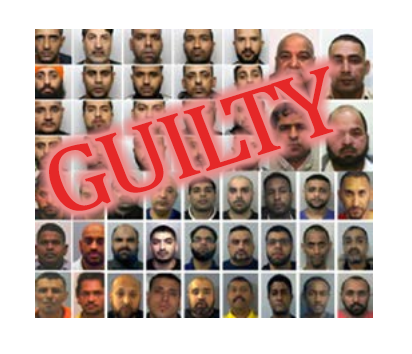
Across Europe, a slow and painful reckoning is underway. For decades, grooming gang scandals in the United Kingdom have exposed horrifying abuses of vulnerable girls, not merely as isolated crimes but as failures of institutions entrusted with protection.
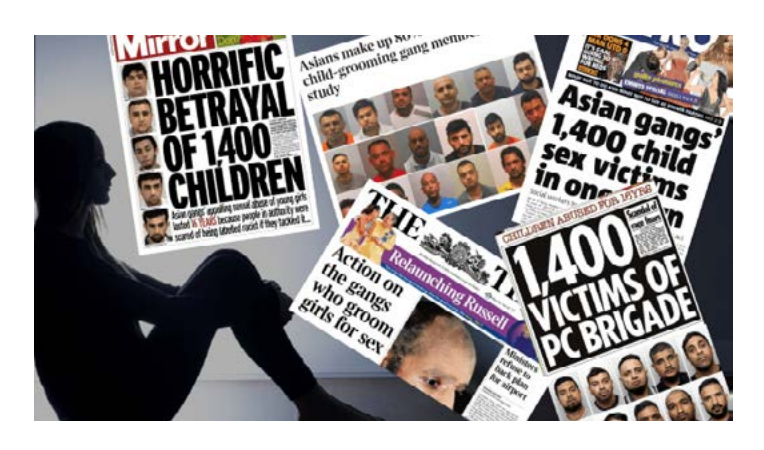
Official inquiries revealed not only criminality but systemic paralysis — police inaction, social services that ignored warnings, and political timidity that prioritized optics over truth. For many Christians across Europe, this isn’t simply a legal scandal; it represents a societal moral collapse grounded in the denial of hard truths.
The consequences are felt far beyond the communities directly affected. They echo in family structures, civic virtues, and the confidence of citizens that their institutions will protect the vulnerable. And for those watching across the Atlantic, there is a growing concern that similar patterns of disengagement, demographic decline, and misplaced priorities are unfolding in the United States.
America, like many Western nations, is grappling with a falling birthrate, declining marriage rates, and waning trust in civic and religious institutions. Fertility rates in the U.S. have dipped below replacement level in recent years, a trend that mirrors patterns seen in much of Europe. Fewer children, fewer families, and less social cohesion translate into weakened communities, less investment in future generations, and an increased reliance on state mechanisms that often prove bureaucratic and ineffective.
Central to this anxiety is how national resources are allocated. A striking example is U.S. foreign aid to strategic partners abroad compared with domestic spending on programs intended to safeguard American citizens. According to multiple analyses of recent federal budgets, the United States has provided at least $21.7 billion in military and security assistance to Israel since the Gaza conflict began in October 2023 — a figure that spans both the Biden and Trump administrations and reflects long-standing bilateral commitments.
This level of aid is part of a broader pattern: decades of U.S. military and security assistance to Israel amount to tens of billions of dollars, and under current agreements the United States is scheduled to provide roughly $3.8 billion annually in military aid through 2028.
Meanwhile, total U.S. foreign aid — across all countries and functions — remains a small share of federal spending overall, at around 1.2% of total federal outlays in recent years. Yet within that modest slice, strategic security assistance can command large portions of appropriations.
Compare this with domestic priorities. Agencies like the Department of Homeland Security, tasked with protecting Americans, routinely seek ever-larger budgets to address everything from border enforcement to disaster response. Budget proposals in 2025 and 2026 saw hundreds of billions of dollars allocated for immigration enforcement, border security infrastructure, and related personnel — funds that dwarfed many family support and community stability programs.
The contrast is not simply a matter of numbers in isolation; it is about prioritization. A nation that channels billions in military assistance abroad and vast sums to border enforcement, yet struggles to invest in the economic and social conditions that support stable families and vibrant communities, risks undermining the very foundations of its future.
This tension is symptomatic of a deeper cultural malaise. When political and cultural institutions become more concerned with avoiding controversy than confronting hard truths, they fail the vulnerable — whether in the streets of Britain or the inner cities and rural towns of America. When social policies are not grounded in a coherent moral vision that values life, family, and community, then other priorities — even strategically important ones — can overshadow the needs of the people these institutions are meant to serve.
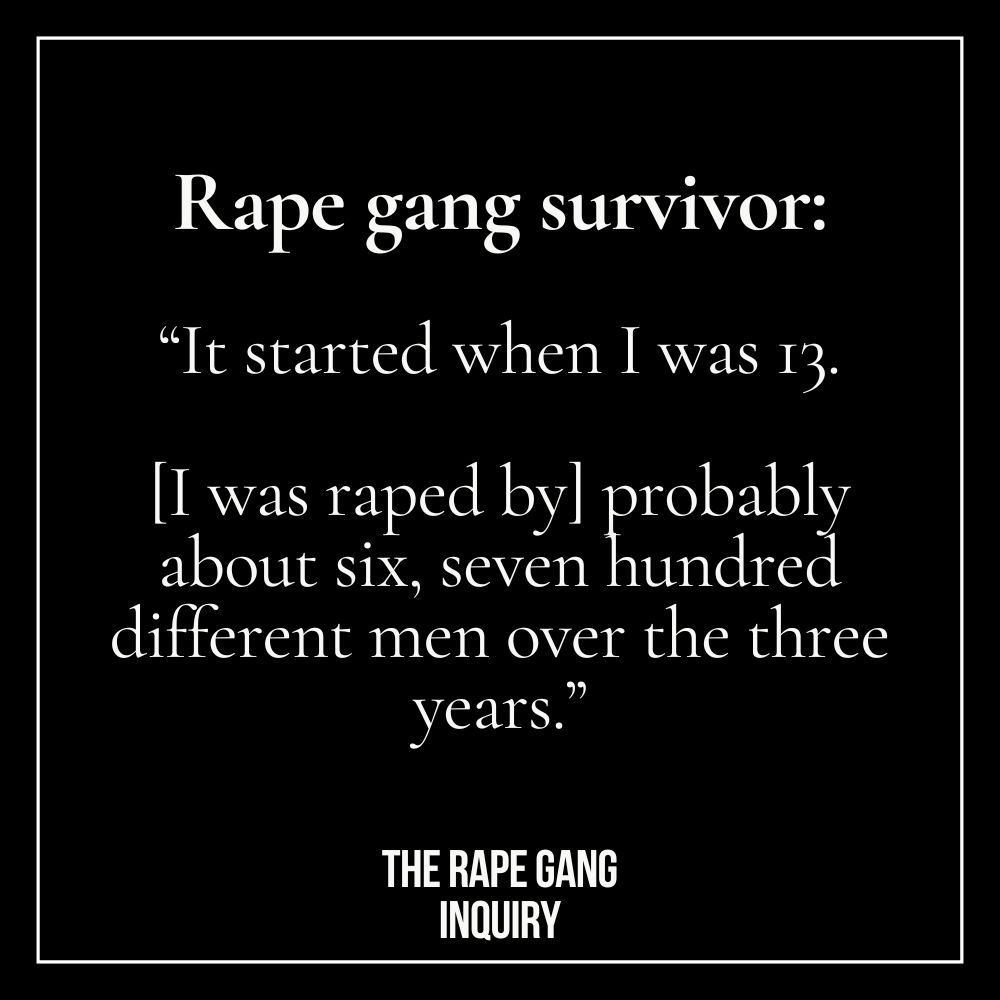
For American Christians, Europe’s painful lessons offer a warning. Britain’s grooming scandal was not caused by diversity alone. It was exacerbated by institutional hesitation, political caution, and cultural silence. Likewise, America’s demographic challenges and budgetary choices reflect a nation wrestling with its identity and priorities.
ONE MILLION young girls – in a country with a population of 70 million people – have been groomed, raped, beaten, trafficked, and tortured by predominantly Pakistani, Muslim grooming gangs
There is still time for course correction. But time, like birthrates and moral clarity, does not reverse itself without deliberate change. If America wishes to avoid the mistakes seen abroad, it must reaffirm the primacy of family, faith, and the protection of its own citizens while engaging with the world responsibly — not at the expense of its foundational commitments.
Celebrity
Garden State Icon Bruce Springsteen Teams Up with Barack Obama in “Renegades: Born in the USA” – A Liberal Echo Chamber in Print
The book markets itself as an honest dialogue between two “outsiders” reflecting on America—covering personal stories, family, race, masculinity, fatherhood, and the supposed decline of the American Dream. Obama notes their differences upfront: “He’s a white guy from a small town in Jersey; I’m a Black guy of mixed race, born in Hawaii… He’s a rock ‘n’ roll icon. I’m a lawyer and politician—not as cool.” Yet they claim a shared “sensibility” about work, family, and the nation.

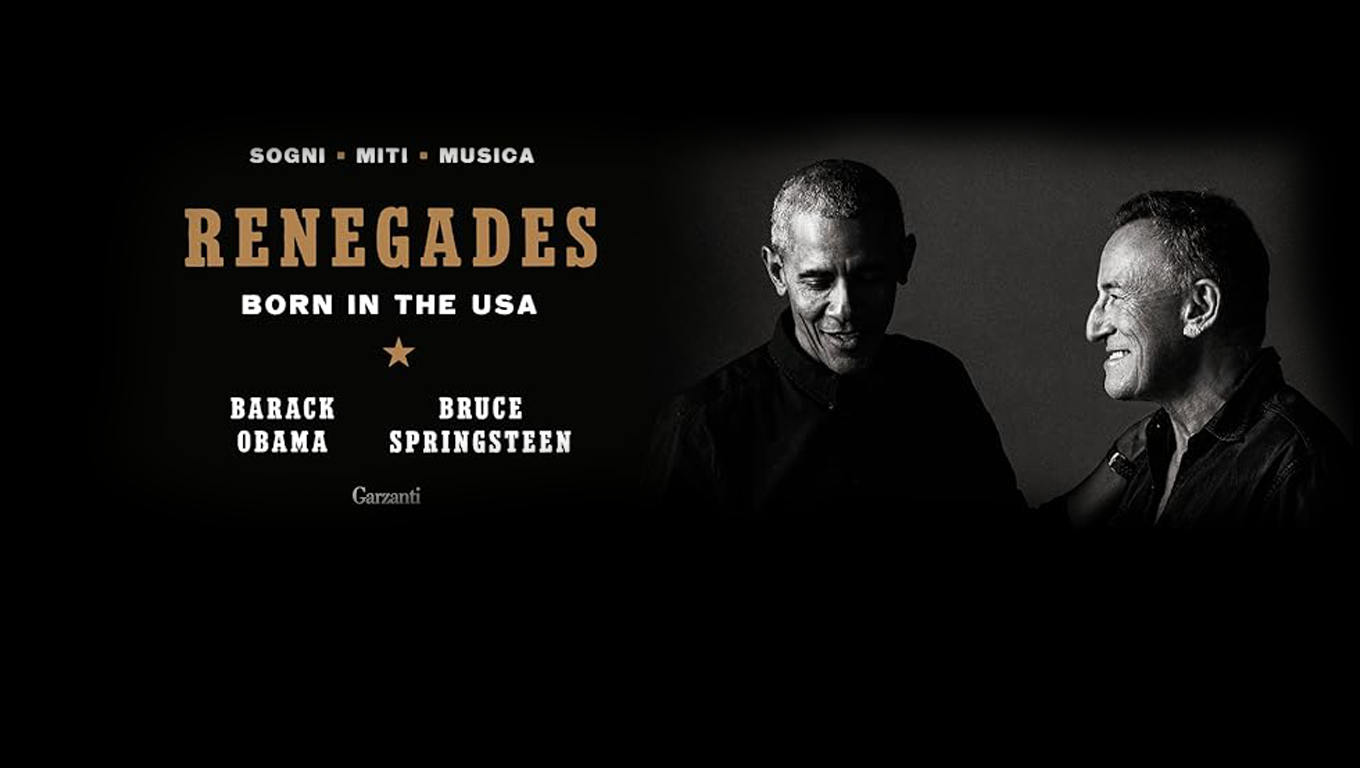
For years, Bruce Springsteen—the Freehold, New Jersey native and self-proclaimed voice of the working man—has drifted further from the blue-collar roots that made him famous, embracing progressive causes and celebrity friendships that often feel out of touch with everyday Americans. His latest collaboration, Renegades: Born in the USA (Crown/Penguin Random House, 2021), with former President Barack Obama, is a prime example: a glossy, photo-heavy book spun from their Higher Ground podcast chats, recorded at Springsteen’s Monmouth County home.
The book markets itself as an honest dialogue between two “outsiders” reflecting on America—covering personal stories, family, race, masculinity, fatherhood, and the supposed decline of the American Dream. Obama notes their differences upfront: “He’s a white guy from a small town in Jersey; I’m a Black guy of mixed race, born in Hawaii… He’s a rock ‘n’ roll icon. I’m a lawyer and politician—not as cool.” Yet they claim a shared “sensibility” about work, family, and the nation.
Conservatives might raise an eyebrow at the title alone. “Renegades”? The term feels ironic for two multimillionaires—one a global music legend, the other a former president—who’ve spent decades at the pinnacle of elite culture. Springsteen’s early songs like those on Born in the U.S.A. (often misinterpreted as patriotic anthems) once resonated with traditional values of hard work and resilience. Now, in these pages, the conversations lean heavily into liberal talking points: critiques of polarization, laments over progress since the 1960s civil rights era, and vague calls to confront “destructive forces” threatening the country.
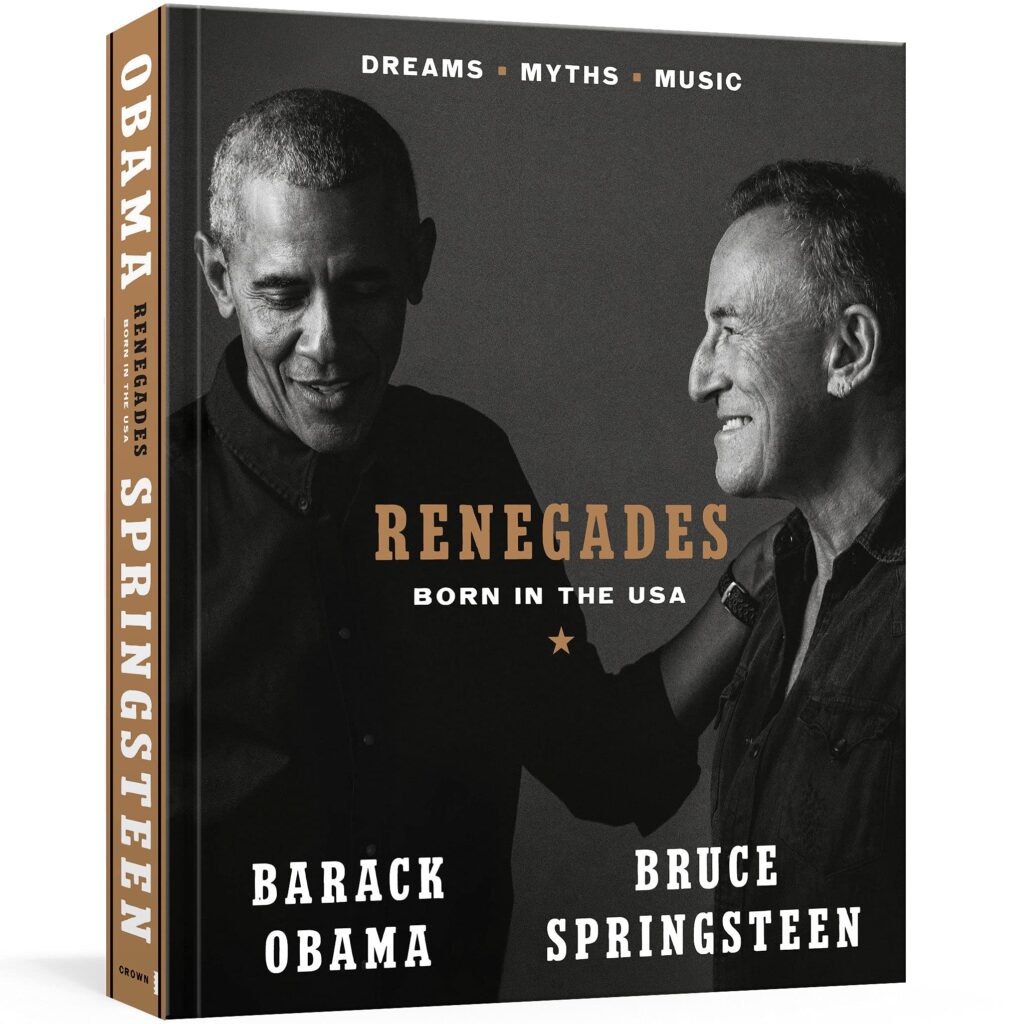
Springsteen warns of the need to “turn united to face the fire” and ponder what kind of nation we leave our children—noble sentiments on paper, but in context, they echo the same elite disdain for conservative policies and figures that Springsteen has voiced at concerts and in endorsements for years. The book avoids real debate, opting instead for a cozy, affirming exchange between two like-minded celebrities who already agree on most things. There’s little challenge to progressive narratives on race, economics, or cultural shifts—just mutual back-patting and nostalgia for a vaguely better past.
Packed with rare photos, Springsteen’s handwritten lyrics, and Obama’s annotated speeches, the volume is undeniably polished and appealing to fans of both men. But for many readers—especially those who value traditional American values like self-reliance, limited government, and faith in the nation’s enduring promise—it reads more like an echo chamber than a genuine search for truth. The “renegades” here aren’t rebelling against the system; they’re comfortably atop it, lamenting its flaws from a distance.
Originally released in October 2021, Renegades remains a cultural artifact of elite liberal reflection—timely in its day, perhaps, but increasingly distant from the concerns of ordinary Garden State residents facing rising costs, cultural erosion, and a sense that Washington insiders (and their celebrity friends) no longer understand the real America.
(Adapted with a conservative lens from original book descriptions, reviews in National Review, The Atlantic, The Guardian, and other sources noting the duo’s aligned politics and perceived detachment, as of 2026.)

2026 Election Cycle Begins to Take Shape as Key Issues Come Into Focus
New Jersey Fame Wall

The Captive: A Chilling Thriller About the Fight to Protect the Innocent

Why New Jersey Is Quietly Becoming a Magnet for Filmmakers

Faith, Politics, and the “Christ Is King” Debate: Why Ted Cruz’s Remarks Sparked a Christian Backlash

The Silent Epidemic: Why Your Child’s Future Hangs in the Balance:

Seaside Heights Polar Bear Plunge Returns March 14 — Here’s Exactly What to Know Before

9 Can’t-Miss Events This March in New Jersey

Southside Johnny: The Grandfather of the New Jersey Sound

The Green Light Is Back On: Belmar–Lake Como St. Patrick’s Day Parade Rescheduled for Saturday, March 28
The Captive: A Chilling Thriller About the Fight to Protect the Innocent

Alice In Chains

Tucker Carlson

Solo Mio Behind the Scenes (BTS)

NJ Film Expo 2025: A Breakout Moment for New Jersey’s Filmmaking Future

-
 Entertainment2 months ago
Playwright & Filmmaker Tom Cavanaugh Named Finalist for 2026 TASTE Awards Following Recognition in Asbury Park
-

 Celebrity3 months ago
New Jersey Celebrities
-
 Editorial3 weeks ago
The Silent Epidemic: Why Your Child’s Future Hangs in the Balance:
-
 Events & Festivals4 weeks ago
Seaside Heights Polar Bear Plunge Returns March 14 — Here’s Exactly What to Know Before
-
 Celebrity2 months ago
Garden State Icon Bruce Springsteen Teams Up with Barack Obama in “Renegades: Born in the USA” – A Liberal Echo Chamber in Print
-
 Celebrity1 month ago
The Erosion of American Values: Bruce Springsteen’s Red Bank Rant and Hollywood’s Assault on Law and Order
-

 Entertainment1 month ago
Diane Raver and the Vision That Built the Garden State Film Festival
-
 Entertainment1 month ago
Solo Mio Behind the Scenes (BTS)