

Jersey Spotlight
Website Security Status: Really Simple Security (Ongoing Updates)
At THEJERSEYREVIEW.COM, we take website security seriously — not just for our content and infrastructure, but for your safety as a visitor, commenter, and community member. Below is a friendly, transparent snapshot of our current security setup and ongoing status updates.
🔒 What Is Really Simple Security?
We use a WordPress plugin called Really Simple Security (previously known as Really Simple SSL). This plugin is designed to make essential website security easy and lightweight, without slowing down your experience.

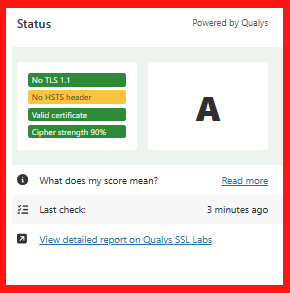
Really Simple Security
At THEJERSEYREVIEW.COM, we take website security seriously — not just for our content and infrastructure, but for your safety as a visitor, commenter, and community member. Below is a friendly, transparent snapshot of our current security setup and ongoing status updates.
🔒 What Is Really Simple Security?
We use a WordPress plugin called Really Simple Security (previously known as Really Simple SSL). This plugin is designed to make essential website security easy and lightweight, without slowing down your experience.
Instead of relying on heavy or complex tools, it focuses on solid fundamentals that all modern sites need, including:
🔐 Core Features
- HTTPS/SSL enforcement — keeps your connection encrypted and secure with automatic HTTPS setup.
- WordPress hardening — prevents common vulnerabilities like directory browsing, unsafe uploads, and unsafe login enumeration.
- Vulnerability detection — identifies outdated or vulnerable plugins, themes, and core files and warns site admins.
- Login protection — supports stronger login requirements and Two-Factor Authentication (2FA) for admin access.
These features address the most common attack vectors — from unprotected logins to unsecured content — and help protect both site and users.
📈 Why This Matters Now
WordPress is a thriving platform used by millions of sites worldwide — but it also draws attention from attackers looking to exploit weak points, especially in plugins and themes. Regular updates and solid security plugins reduce risk significantly. Experts agree that the best defense is proactive plugin management and using trusted security layers.
Here’s how our setup helps:
🕵️♂️ Automatic SSL/HTTPS Enforcement
Ensures encrypted connections so data between your browser and our site cannot be intercepted or tampered with.
🚪 Login Protection
Limits brute-force attacks by adding strong 2FA options and enforcing secure logins for admin users.
🔍 Vulnerability Alerts
Monitors installed plugins and themes for known risks and alerts site administrators to take action.
🛠️ Hardening WordPress
Prevents common WordPress weaknesses without requiring technical expertise.
🔄 Ongoing Maintenance & Updates
Security isn’t “set and forget.” As part of our ongoing security strategy:
- We keep Really Simple Security updated to the latest version so it receives the newest protections and bug fixes.
- We regularly monitor WordPress core and plugin updates — outdated software is a top cause of site breaches.
- We conduct periodic internal reviews of login access policies and user roles to limit risk exposure.
Please note: WordPress plugins occasionally uncover vulnerabilities. Trusted sources like Wordfence and SiteLock report on these to help site administrators act quickly. (For example, other security plugins have had serious flaws in the past, and timely updates were critical to protect sites. )
We’re committed to staying ahead of threats — making sure your experience on THEJERSEYREVIEW.COM remains safe, fast, and uninterrupted.
📌 What This Means for You
As a visitor or community member:
✅ Your connection is encrypted with HTTPS
✅ Admin dashboards are protected with hardening and 2FA
✅ We monitor for vulnerable components
✅ We update proactively to prevent security breaches
Your privacy and trust matter. While no system can ever be 100% immune to threats, our layered approach — including Really Simple Security — gives us an excellent foundation and ongoing protection.
🛠 Have Questions or Concerns?
If you see any unusual behavior on the site — such as login prompts you didn’t expect, suspicious comments, or unusual redirects — please reach out to us at security@thejerseyreview.com so we can investigate immediately.
Thank you for being part of our community! 💙

THE JERSEY REVIEW
NEW JERSEY CELEBRITY FAME WALL
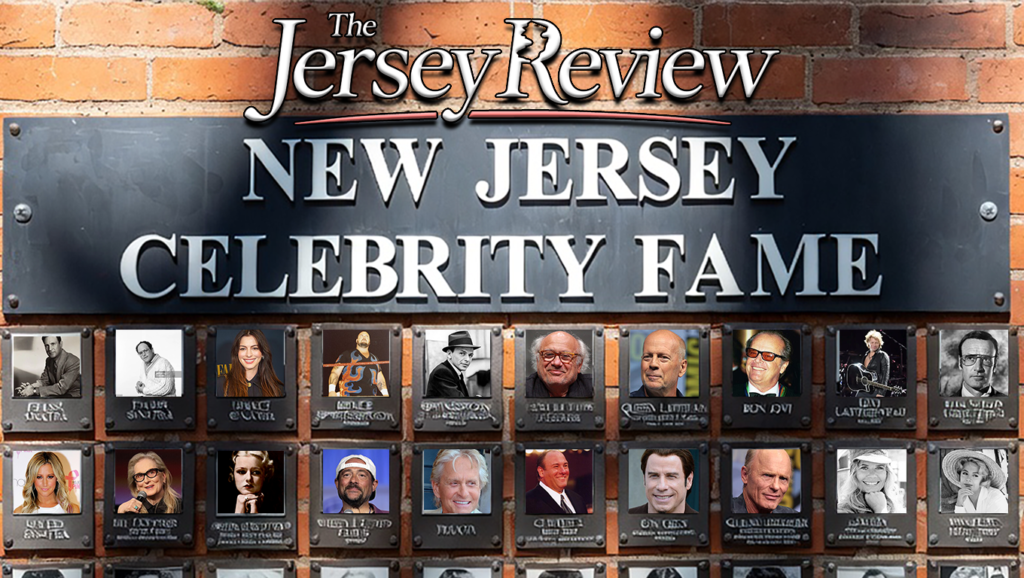
New Jersey may be small in size, but its cultural footprint is massive. The NJ Celebrities section of The Jersey Review highlights the actors, musicians, comedians, filmmakers, athletes, and public figures who were born, raised, or shaped right here in the Garden State. From classic icons to today’s breakout stars, this growing archive celebrates the personalities who carry a bit of Jersey with them wherever they go.
Updated regularly, the page continues to expand as new notable names are added — honoring both legendary figures and rising talents. Check back often as we spotlight the people who prove that New Jersey doesn’t just follow culture — it creates it.
Submissions welcome for consideration.
Submission does not guarantee approval.
Submission must first past the JRCST.
New Jersey Notable Names are in alphabetical order by last name (stage name).
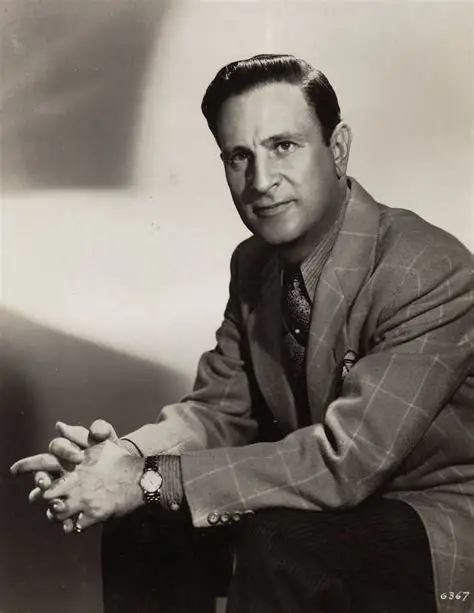
Profession: Comedian, Actor, Producer
Born: Asbury Park, NJ
Raised: Asbury Park, NJ (early years)
Born: October 2, 1897
Heritage: German Jewish (maternal side)
 Wikipedia
Born into a show business family in Asbury Park, New Jersey, Bud Abbott grew up surrounded by the circus and vaudeville world, his mother Rae Fisher was a bareback rider for Barnum and Bailey Circus, and his father Harry Abbott worked as a concessionaire and advance man.
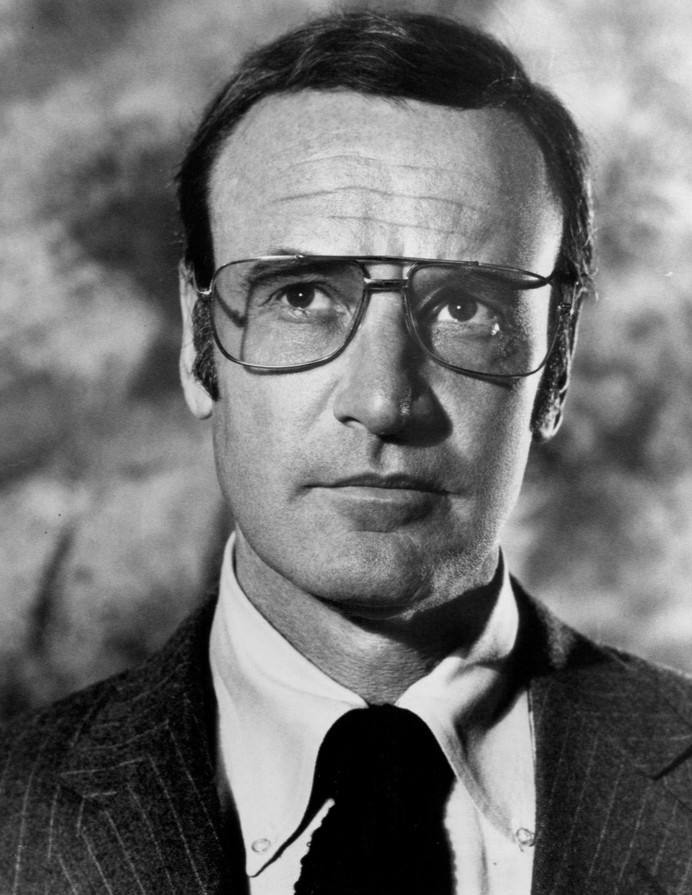
Profession: Actor
Born: Long Branch, NJ
Raised: Long Branch, NJ (early years)
Born: August 8, 1926
Heritage: European
Wikipedia
Born in Long Branch, New Jersey, Richard Anderson grew up in a family that soon moved to Los Angeles, where he began his path in entertainment through high school theater. After serving in the United States Army during World War II, he trained at the Actors’ Laboratory Theatre and launched a prolific career starting in 1947.
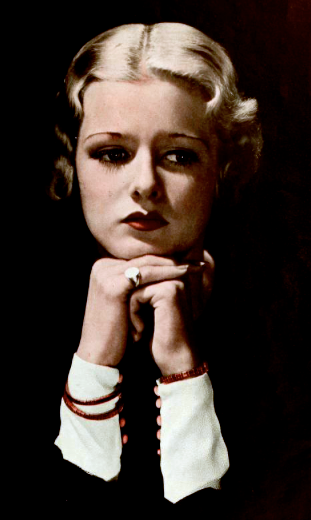
Profession: Actress
Born: Fort Lee, NJ
Raised: Fort Lee, NJ (Palisades early childhood)
Born: February 27, 1910
Heritage: European
Wikipedia
Born in the Palisades section of Fort Lee, New Jersey, Joan Bennett came from a renowned theatrical dynasty as the youngest of three acting sisters—Constance and Barbara Bennett—daughters of stage actor Richard Bennett and actress/literary agent Adrienne Morrison.
Profession: Actress
Born: Fort Lee, NJ
Raised: Fort Lee, NJ (Palisades early childhood)
Born: February 27, 1910
Heritage: European
Wikipedia
Born in the Palisades section of Fort Lee, New Jersey, Joan Bennett came from a renowned theatrical dynasty as the youngest of three acting sisters—Constance and Barbara Bennett—daughters of stage actor Richard Bennett and actress/literary agent Adrienne Morrison.

Celebrity
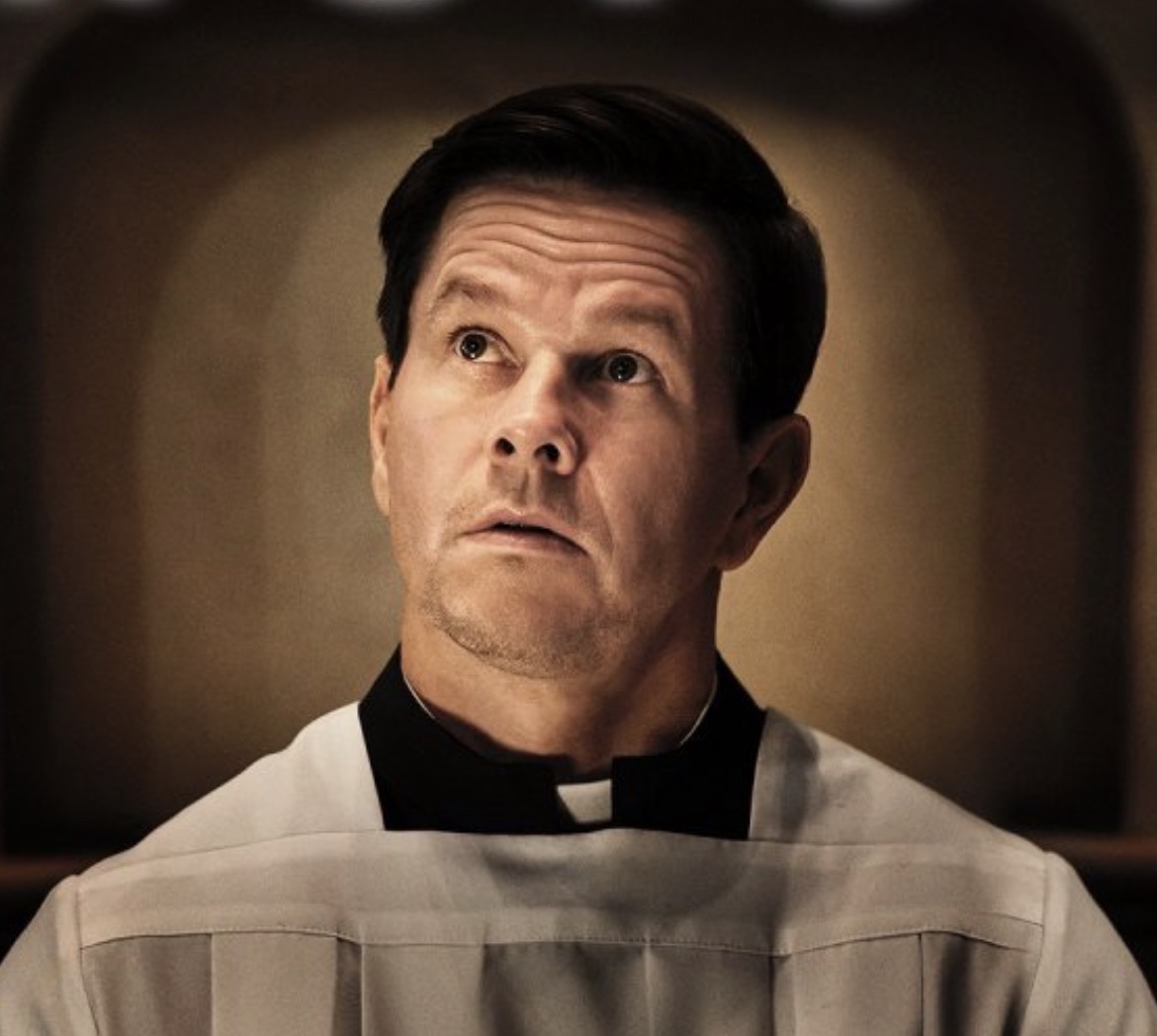
Mark Wahlberg: From Troubled Teen to Faith-Driven Hollywood Voice
You might know Mark Wahlberg for his intense action roles, boy-band beginnings, or for being the only person in Hollywood who can blend a perfectly pressed shirt with daily Mass. But underneath the blockbusters and muscle, there’s a spiritual story that’s as compelling as any movie script, one rooted deeply in faith, redemption, and a desire to make his life matter beyond box office numbers.
You might know Mark Wahlberg for his intense action roles, boy-band beginnings, or for being the only person in Hollywood who can blend a perfectly pressed shirt with daily Mass. But underneath the blockbusters and muscle, there’s a spiritual story that’s as compelling as any movie script, one rooted deeply in faith, redemption, and a desire to make his life matter beyond box office numbers.
At his core, Wahlberg often says faith isn’t a part of his life, it’s the center of it.
A Catholic Foundation That Changed Everything
Wahlberg wasn’t always the devout figure we see today. Born and raised outside Boston, he lived through serious early-life upheaval, from school dropout days to legal trouble as a teen. But it was during this rough patch that his faith first found real meaning.
“Being Catholic is the most important part of my life” – Mark Wahlberg
As Wahlberg himself candidly relates, he credits the Catholic Church, daily prayer, and spiritual discipline for helping him turn his life around. “Being Catholic is the most important part of my life,” he’s said on more than one occasion.
For him, prayer isn’t a weekly checkbox, it’s an everyday habit. Outside of Mass, he places great emphasis on starting his day on his knees, giving thanks, seeking clarity, and setting his focus before the chaos of life kicks in.
Faith in Hollywood: Not Pop Culture, But Personal Truth
In an industry that often sidelines faith and spirituality, Wahlberg refuses to play by Hollywood’s “silent” rulebook. On talk shows and interviews, he consistently expresses how his faith underpins his worldview, even when it might seem countercultural in celebrity circles. “I will not hide the fact that I love the Lord,” he shared in a heartfelt discussion about religion and fame.
Look, I will not hide the fact that I love the Lord and I want to be committed to serving the Lord…” – Mark Wahlberg
This unapologetic stance hasn’t always been easy. Wahlberg himself has said boldly that faith can be unpopular in his industry, but that doesn’t stop him from living it publicly. And for him, it’s not about converting others by force, but about living authentically and letting his actions speak louder than words.
Turning Movies Into Missions
One of the most visible ways Wahlberg expresses his faith is through his work, both on and off the screen.
In 2022, he co-produced and starred in Father Stu, a biographical drama about a boxer’s unexpected journey to priesthood. The story, steeped in themes of transformation and grace, isn’t just another film project for Wahlberg, it’s a reflection of his own spiritual heartbeat, aligned with his belief that stories of redemption deserve to be told.
His goal with the film wasn’t fame or profit — it was impact. Wahlberg openly hoped “Father Stu” might inspire people to consider their own faith journeys, vocations, and places in the world. He’s said he wanted the film to remind audiences that it’s never too late to change.
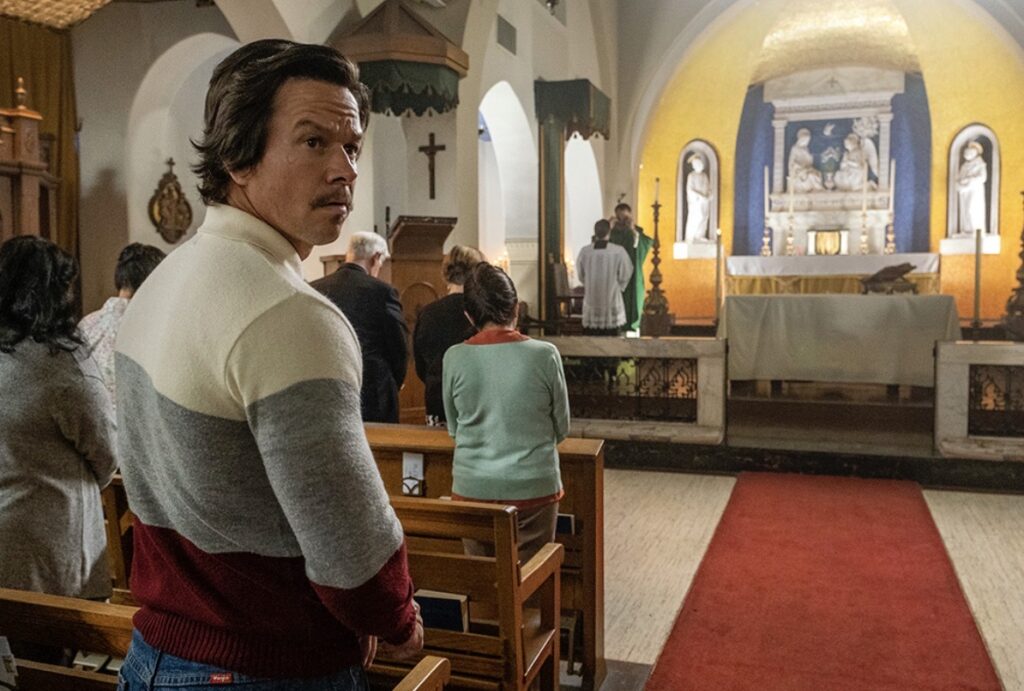
Daily Devotion, Not PR Stunt
Wahlberg’s faith isn’t a weekend hobby; it’s woven into his daily rhythm.
He’s known to begin every day with prayer and Scripture, regardless of where he is. Even if he can’t make daily Mass, he’ll stop at a church and spend quality time in silent prayer, a discipline he credits with keeping him grounded, humble, and focused on what truly matters.
And it isn’t just for show. Wahlberg talks openly about why he prays, not for fame or success, but for deeper transformation. “God didn’t come to save the saints, He came to save the sinners,” he once explained, reminding listeners that faith is about humility as much as hope.
Giving Back: The Mark Wahlberg Youth Foundation
Faith isn’t meant to remain inward; for Wahlberg, it flows outward into tangible action.
Back in 2001, he launched the Mark Wahlberg Youth Foundation, a charity aimed at helping young people, especially those from underprivileged areas, gain access to opportunity and enrichment programs.
The foundation reflects his own journey: he knows firsthand how pivotal guidance and support can be for kids who might otherwise fall through the cracks. Through mentorship, community programs, and outreach, the charity embodies what Wahlberg calls faith in motion — not just praying for change, but being part of it.
He’s also been active with efforts like The Good Shepherd Center for Homeless Women and Children, extending help to families facing hardship, again reflecting his belief that faith should manifest in compassion and service.
A Spiritual Legacy More Than a Hollywood One
Mark Wahlberg has built a career millions admire. But if there’s one thing he’ll tell you he values more than his biggest box office hit, it’s the depth of his faith journey.
From a rough youth to a grounded adult who starts every day with prayer, makes films with purpose, and channels his success into helping others – Wahlberg shows that faith isn’t just a part of life. For him, it’s the story beneath the story.
And in a world hungry for meaning beyond fame and likes, that’s a narrative that resonates.

2026 Election Cycle Begins to Take Shape as Key Issues Come Into Focus
New Jersey Fame Wall

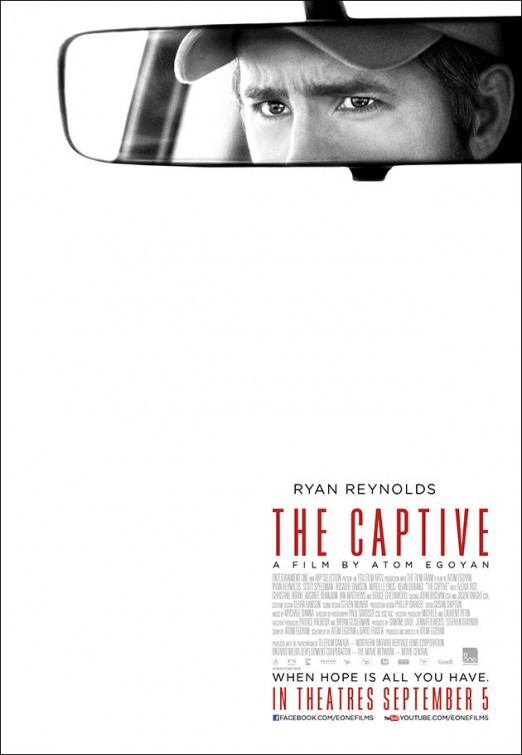
The Captive: A Chilling Thriller About the Fight to Protect the Innocent

Why New Jersey Is Quietly Becoming a Magnet for Filmmakers

Faith, Politics, and the “Christ Is King” Debate: Why Ted Cruz’s Remarks Sparked a Christian Backlash

The Silent Epidemic: Why Your Child’s Future Hangs in the Balance:

Seaside Heights Polar Bear Plunge Returns March 14 — Here’s Exactly What to Know Before

9 Can’t-Miss Events This March in New Jersey

Southside Johnny: The Grandfather of the New Jersey Sound

The Green Light Is Back On: Belmar–Lake Como St. Patrick’s Day Parade Rescheduled for Saturday, March 28
The Captive: A Chilling Thriller About the Fight to Protect the Innocent

Alice In Chains

Tucker Carlson

Solo Mio Behind the Scenes (BTS)

NJ Film Expo 2025: A Breakout Moment for New Jersey’s Filmmaking Future

-
 Entertainment2 months ago
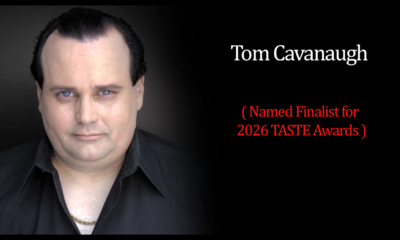
Playwright & Filmmaker Tom Cavanaugh Named Finalist for 2026 TASTE Awards Following Recognition in Asbury Park
-
 Celebrity3 months ago
New Jersey Celebrities
-
 Editorial3 weeks ago
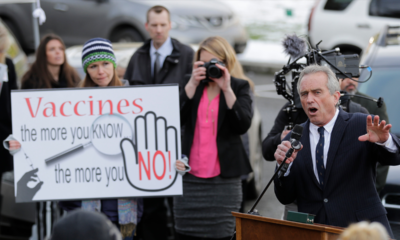
The Silent Epidemic: Why Your Child’s Future Hangs in the Balance:
-
 Events & Festivals4 weeks ago
Seaside Heights Polar Bear Plunge Returns March 14 — Here’s Exactly What to Know Before
-
 Celebrity2 months ago
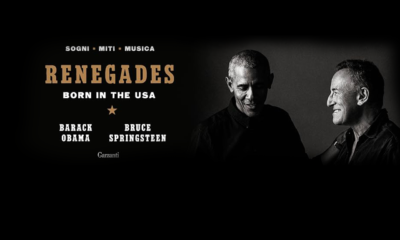
Garden State Icon Bruce Springsteen Teams Up with Barack Obama in “Renegades: Born in the USA” – A Liberal Echo Chamber in Print
-
 Celebrity1 month ago
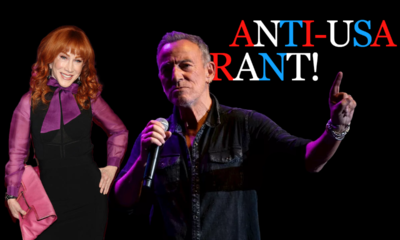
The Erosion of American Values: Bruce Springsteen’s Red Bank Rant and Hollywood’s Assault on Law and Order
-

 Entertainment1 month ago
Diane Raver and the Vision That Built the Garden State Film Festival
-
 Entertainment1 month ago
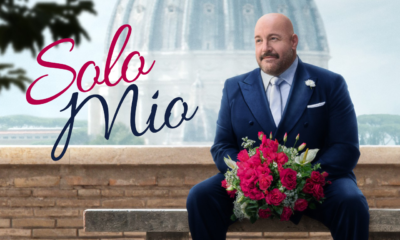
Solo Mio Behind the Scenes (BTS)